
From north to south: Zionism of Oct. 7th generation was born in the periphery
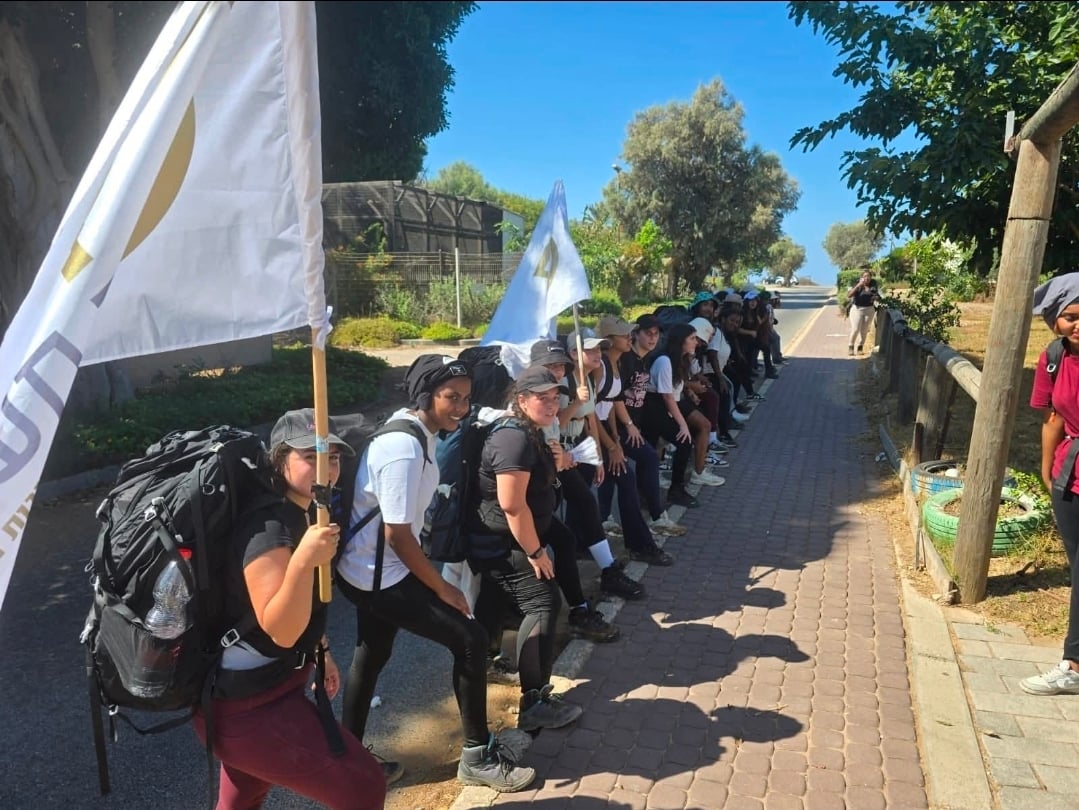
In recent years, and especially since October 7th, we’ve witnessed a rebirth of Zionism. Though sometimes perceived as archaic, this concept has been given vibrant and relevant meaning by a generation of young men and women across the country who choose to take the fate of Israel into their own hands. Within this movement, the contributions of youth from the socio-economic periphery stand out; despite often difficult starting points, they have not been left behind. They are stepping forward, not just as participants but as leaders, reshaping the face of the nation.
Today’s Zionism is not only about defending physical borders – it is about building a more just, stronger, and egalitarian Israeli society. It is Zionism rooted in internal correction and mutual responsibility. However, for this vision of Zionism to truly take hold, we must address the opportunity gaps that still exist in our society. The struggle for Israel’s character is not just about the willingness to serve, but also about the state’s ability to ensure that every young person – regardless of where they live or their family’s economic situation – can reach positions of influence. Bridging these gaps is not merely an act of kindness, but an act of supreme national interest. The more we work to dismantle barriers and invest in human capital in the periphery, the more we expand the pool of quality leadership for all of society. Young people from the periphery no longer wait for “equality of opportunity” to be bestowed from above – they create it themselves through excellence, persistence, and shattering glass ceilings.
For these young people, it is an opportunity to transform from those who “need help” to those who lead and influence. They demand that the promise of Zionism be realized throughout Gaza, the Negev, the Galilee, and in every neighborhood, through deep social engagement and by taking responsibility for the future of the national home. The pre-military preparatory programs, especially those in the heart of the socio-economic periphery, are where this spirit is translated into action. These programs go far beyond military preparation – they are schools of active citizenship, where young people strengthen their sense of capability and set out to fulfill their potential within their communities, living and implementing Zionist values through daily actions.
The “Iron Swords” war brought to light the strength of this generation in Israel’s most difficult hour. In the moment of truth, the young people from the periphery did not hesitate. They marched forward with courage, maturity, and inspiring responsibility, proving to be the backbone of the campaign’s success.
Alongside battlefield heroics, we witnessed unprecedented civilian mobilization: young people established community war rooms, led volunteer initiatives to rebuild settlements, and supported families of evacuees. This strength demonstrated that the social leadership forged in pre-military programs and neighborhoods has become the driving force of Israel’s hinterland. Their success in integrating into commanding roles and elite units is not just a personal achievement, but proof that when given the right opportunities and support, the periphery becomes Israel’s central engine for growth.
This war taught us that our national resilience depends on the ability of all young people – from every corner of the country and from every economic background – to stand shoulder to shoulder. Those who grew up in the periphery and the neighborhoods, who worked hard to achieve meaningful service and command positions, have shown that Zionism is the willingness to do whatever it takes for the common good. They did not stay behind – they were the first to charge forward and lead.
Bottom line? The Zionism of the October 7th generation requires us to recognize that military resilience cannot exist without social resilience. The young people from the periphery, who choose to contribute and take the lead in their work, their communities, and in meaningful combat service, demonstrate that Zionism is thriving. They transform this abstract ideal into a daily commitment to build a better, stronger country for all.