Thoughtful, Caring and Effective Therapy
From Probuzhna to Jerusalem: What My Grandmother’s Hiding Place Taught Me About Raising Children in a War Zone
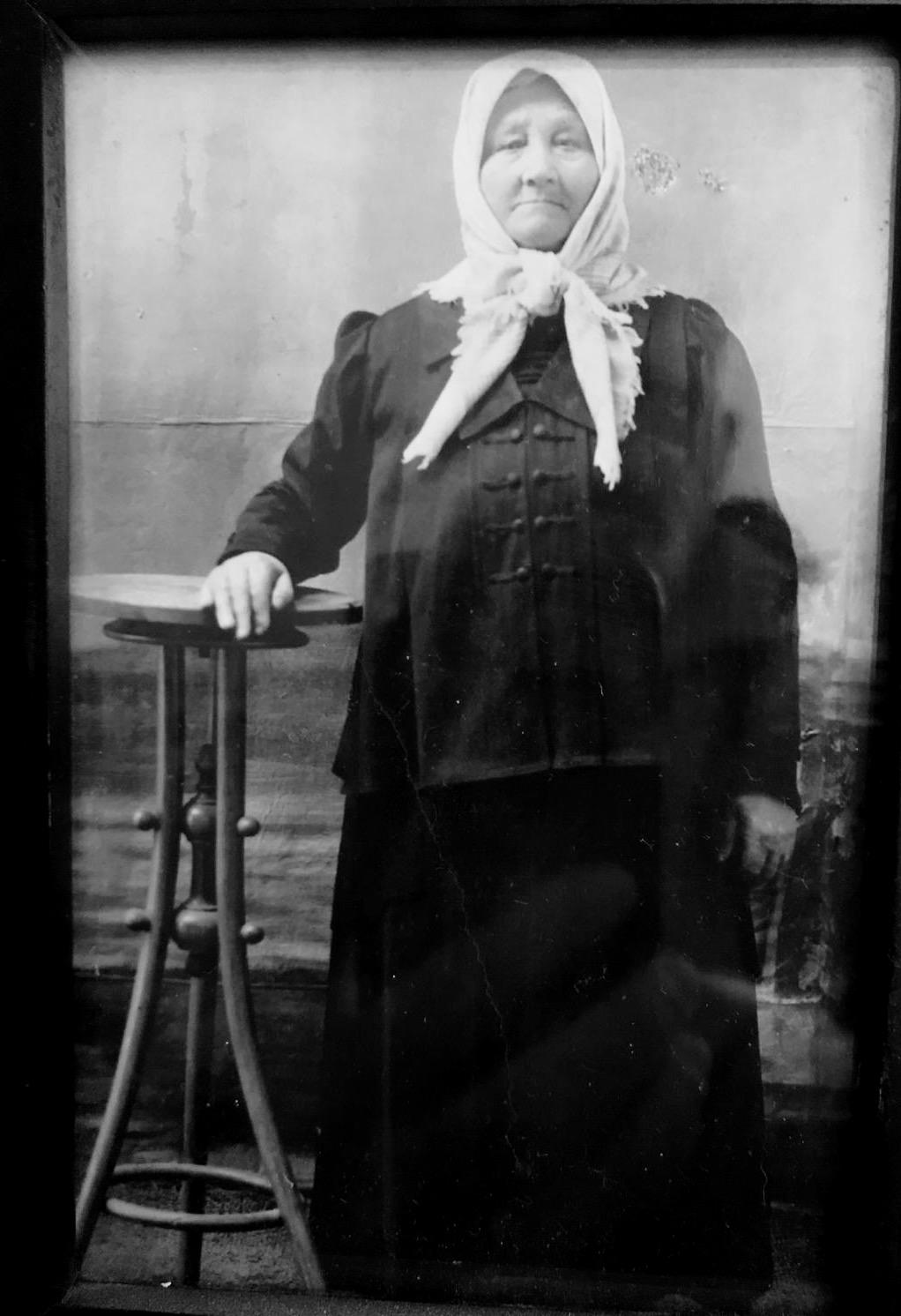
Photo by Rich Kirschen
Asking a Jew whose family came from Eastern Europe where they’re from is more complicated than it sounds. It’s like the joke about the old Jewish woman who wakes up one morning to find her home is now in Poland, and responds, “Thank God, I couldn’t stand those Russian winters any longer.”
My grandmother Gitel came from a shtetl called Probuzhna — once part of the Austro-Hungarian Empire, then Poland, now Ukraine. The borders kept shifting. The winters, presumably, did not improve. And Probuzhna’ s story was no joke: vibrant for centuries within the Kingdom of Galicia, it was ultimately swallowed by WWI’s Eastern Front, and by 1941 its last Jews were taken to the Belzec death camp. My grandmother escaped by the skin of her teeth in 1924.
Growing up in the cozy suburb of Woodmere, Long Island (yes — the fancy Five Towns), I was captivated by her thick Yiddish accent and her stories of this vanished world. When I asked where she came from, she said “Europe.” Even at nine, I knew she didn’t mean Paris. What she described was years spent hiding in a root cellar while the Russians and Austro-Hungarians bombed each other overhead — the Russian army simultaneously pursuing a policy of Jewish ethnic cleansing in the region. This felt like science fiction to a kid protected by two oceans and a comfortable American childhood. I genuinely could not imagine it.
It took years of my own therapy — and work as a therapist — to understand what I’d actually inherited. For families shaped by war, trauma travels across generations not only through stories, but through emotional patterns: hypervigilance, silence, overprotection. What goes unprocessed in one generation becomes embodied in the next. Children absorb these as their baseline for how the world works. I was raised in Woodmere …but on the survival patterns of Probuzhna.
Fast forward fifty-four years, and here I am — a father and grandfather in Jerusalem — being bombed, and hiding in our basement safe room, called a mamad. Suddenly, my grandmother’s root cellar doesn’t feel like science fiction anymore. It feels like muscle memory.
The differences matter: I live in the Jewish homeland, not as a tolerated Jewish guest like my grandmother, but as a citizen of a sovereign Jewish state. We are not powerless. And yet I find myself wondering whether my grandchildren will inherit the same invisible luggage I spent decades unpacking — the nervous system on high alert, the implicit beliefs about danger and safety that no amount of therapy fully dissolves.
There is no finish line to the Jewish story. But right now, this war feels less like history and more like a phone call from my grandmother, finally making sense.
Related Topics