From Reflection to Renewal: How Yom Kippur Calls Us to Radical Kindness
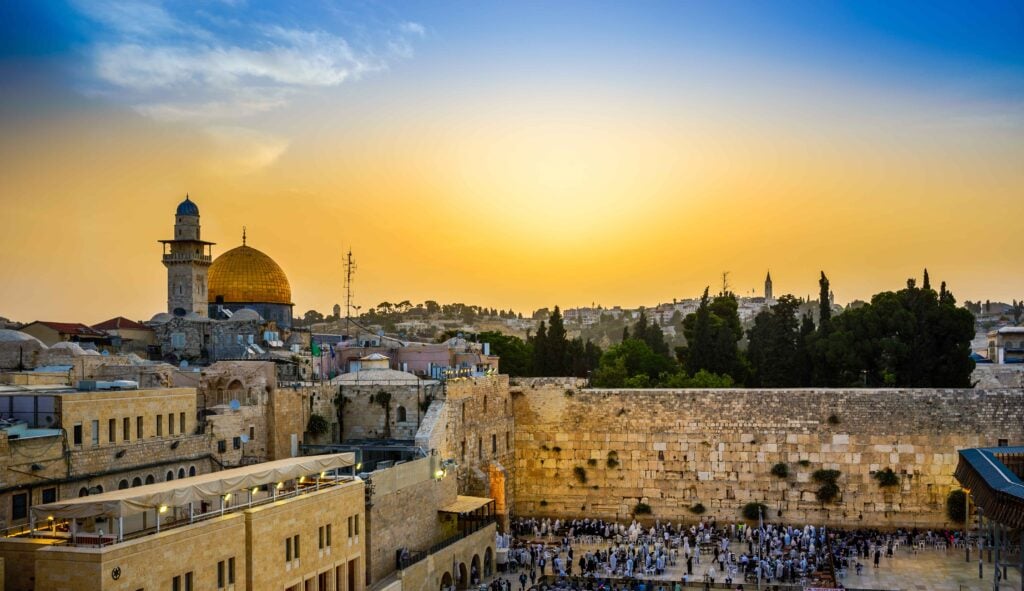
Each year on Yom Kippur, Jewish communities across the world gather in prayer, reflection, and atonement. The day compels us to confront our shortcomings, seek forgiveness, and commit to change. It is a day of honesty, humility, and hope. But in a moment when our communities are stretched thin by division, fatigue, and uncertainty, Yom Kippur can be more than a ritual of repentance—it can be a radical reset.
At the heart of Judaism lies chesed, loving-kindness. Our tradition teaches that kindness is not optional but foundational. As Pirkei Avot reminds us, “The world stands on three things: on Torah, on service, and on acts of loving-kindness.” Kindness is one of the very pillars of Jewish life. Yet too often, kindness is practiced as a polite gesture rather than as a transformative force. What if this year we embraced not just kindness, but radical kindness—the kind that disrupts cynicism, rebuilds trust, and creates a culture of belonging?
Radical kindness is not sentimental. It requires courage. It means forgiving when resentment feels easier, welcoming when judgment feels safer, and giving when scarcity whispers that we should hold back. It demands that we resist the temptation to insulate ourselves only among those who think like us or live like us. Radical kindness pushes us to listen deeply to those we disagree with, to show up for those we barely know, and to extend compassion beyond our immediate circles.
The Jewish community, like so many others, faces polarization, generational rifts, and questions of identity. For some, synagogue no longer feels like home. For others, Jewish institutions appear out of touch or unwelcoming. Still others feel worn down by rising antisemitism, by the fraying of public discourse, and by the tension between preserving tradition and embracing change. These are profound challenges—but Yom Kippur reminds us that renewal begins not with policy or politics, but with the human heart.
Imagine what could happen if each of us practiced radical kindness in the year ahead. A congregation divided by politics could become a sanctuary of dignity, where disagreements are navigated with respect rather than hostility. A lonely elder could find solace in regular visits from younger members. A struggling family could feel embraced by a community that supports them without judgment. A teenager questioning their place in Jewish life could be mentored, guided, and told: you belong here. These are not abstract ideals. They are practical, daily acts of kindness that collectively can transform the spirit of a community.
Radical kindness also calls us to bridge the generational divide. Our elders carry wisdom and memory; our youth bring creativity and energy. Too often, these gifts are kept in separate silos. Radical kindness means honoring tradition by learning from those who came before us, while also honoring the present by empowering young people to lead. This reciprocity creates continuity that is not stagnant, but alive and evolving.
And radical kindness cannot remain only inside our synagogues. It must extend outward, into the broader world. The Torah commands us no fewer than 36 times to “love the stranger, for you were strangers in the land of Egypt.” In a fractured society, Jewish communities have an opportunity to lead by example: by feeding the hungry, by welcoming the refugee, by standing shoulder to shoulder with those targeted by hatred. Outward-facing kindness is not charity—it is solidarity. It is a declaration that our wellbeing is tied to the wellbeing of others.
As Yom Kippur draws to a close, the blast of the shofar pierces the silence. It does not signal an ending but a beginning. It calls us back into the world with renewed responsibility, reminding us that repentance is meaningless without transformation. This year, may that sound awaken us to a radical truth: our strength as a people has always come not only from our prayers and traditions, but from how we treat one another.
Radical kindness is not weakness. It is resilience. It is hope. It is the most enduring form of power we possess. If we commit to it—not just on Yom Kippur, but in the days and months that follow—we can renew not only ourselves but the very fabric of Jewish communal life. From reflection to renewal, Yom Kippur calls us to nothing less.