From the iron wall to the open hand: Why Israel must embrace smart power
Karate – Kara-te in Japanese – means “empty hand” or “open hand.” At its core, it is a brutal martial art. The weapon is not a sword or a gun but the body itself – the hand, trained to close into a fist capable of delivering a single, lethal blow. Yet within this violence lies wisdom.
In Buddhist philosophy, the open hand also represents an open mind and heart – empty of hatred, free of judgment, and ready for compassion. The same hand that can strike can also reach out. That duality holds lessons for the Middle East itself.
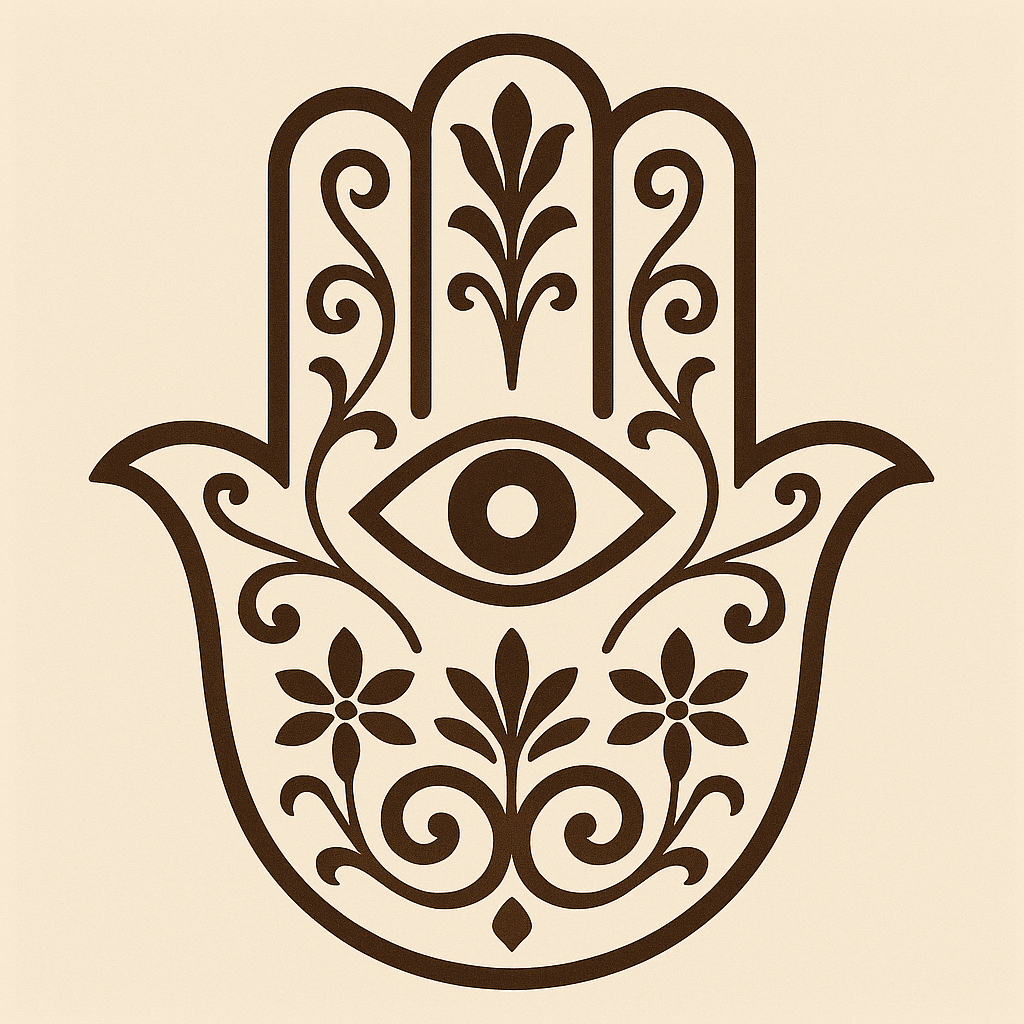
The open hand also carries deep meaning in the Middle East’s own traditions. In Judaism, Islam, and Christianity, the five-fingered Hamsa – known as the Hand of Miriam, the Hand of Mary, or the Hand of Fatima – symbolizes protection, blessing, and the stopping of harm. Across all three faiths, the open hand wards off the evil eye and invites luck, compassion, and divine guardianship.
Long before modern politics divided the region, the open hand was already a shared spiritual symbol – a reminder that our cultures, at their roots, reach for protection not through force, but through blessing.
Through five decades of martial arts training, I learned a fundamental truth: strength alone cannot sustain peace. The journey from the clenched fist to the open hand mirrors the evolution the Middle East must now make – from hard power to smart power: strength guided by wisdom, empathy, and restraint.
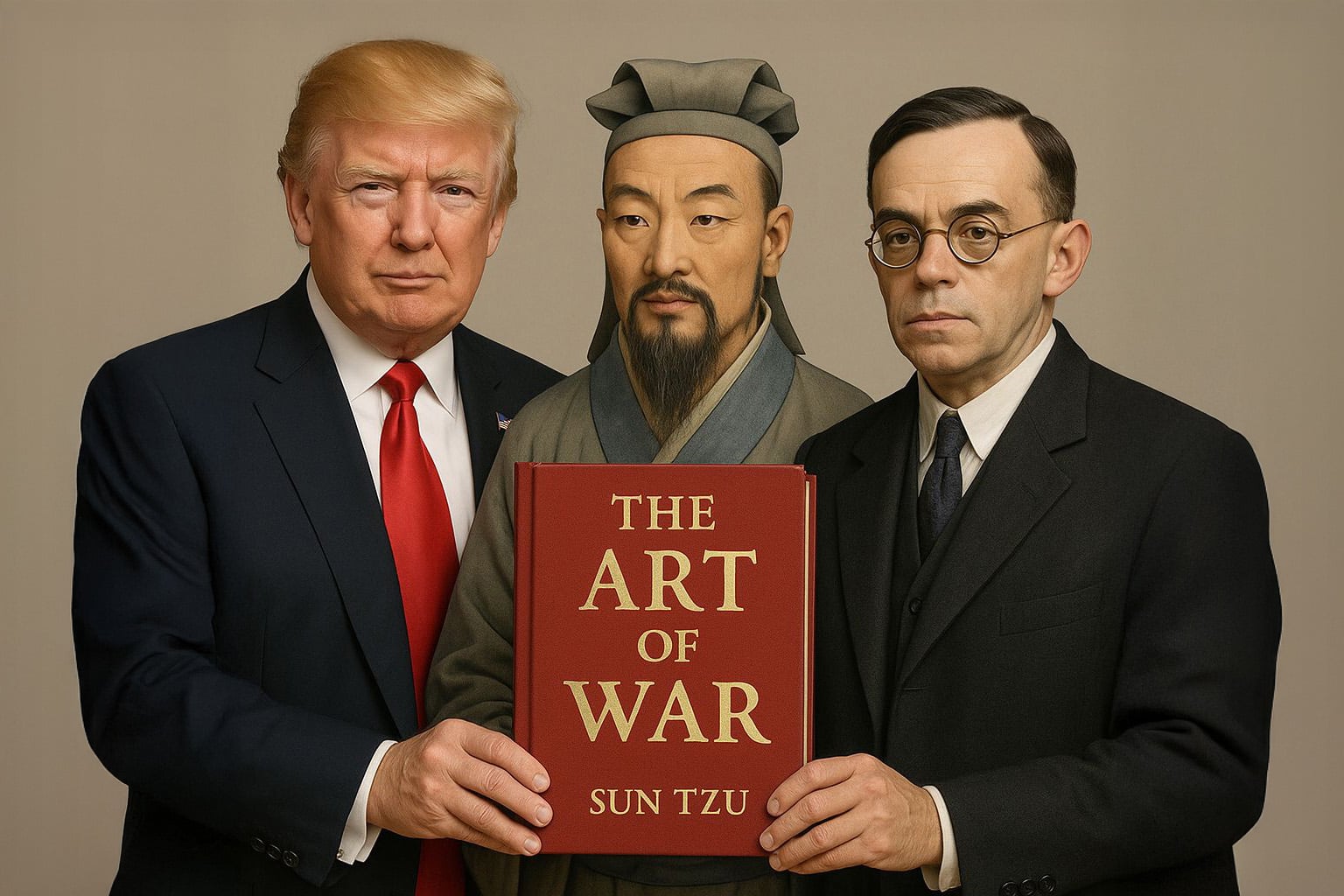
Israel’s modern security doctrine was shaped by Ze’ev Jabotinsky’s Iron Wall, written in 1923 and still a guiding influence on Prime Minister Netanyahu. Jabotinsky argued that only an unassailable defense – an “iron wall,” or in today’s world, an Iron Dome – could compel Israel’s enemies to accept its existence. It was deterrence: peace through strength. President Trump echoed the same principle.
That principle is ancient. More than 2,500 years ago, Sun Tzu wrote The Art of War, a text as relevant to statecraft as to combat. His most enduring insight – “The supreme art of war is to subdue the enemy without fighting” – captures the essence of foresight. Brute force exhausts: wisdom endures. Real mastery shapes conditions so that conflict becomes unnecessary.
The supreme art of war is to subdue the enemy without fighting.
The same truth applies to nations. The Middle East has mastered deterrence – the art of survival through strength. But to thrive, it must now learn the art of peace: the ability to influence through culture and cooperation.
The UN’s adoption of President Trump’s 20-point Gaza plan signals this next phase – a shift from deterrence to development. The requirement that Hamas disarm before reconstruction is not just policy; it is the only responsible basis for peace. No society can rebuild while those committed to destroying it remain armed. Peace cannot rest on fear alone. It must be grounded in accountability, opportunity, and shared interest.
This evolution echoes what Harvard’s Joseph Nye described: moving from hard power to soft power, and ultimately to smart power – the fusion of the two. The task ahead is not just standing strong but learning how to stand together.
Normalization between Israel and Arab states has already opened new arenas of cooperation – in technology, trade, and sport. These are not symbolic gestures but strategic investments in shared resilience. Each joint venture and cultural exchange strengthens the region more effectively than any wall or weapon.
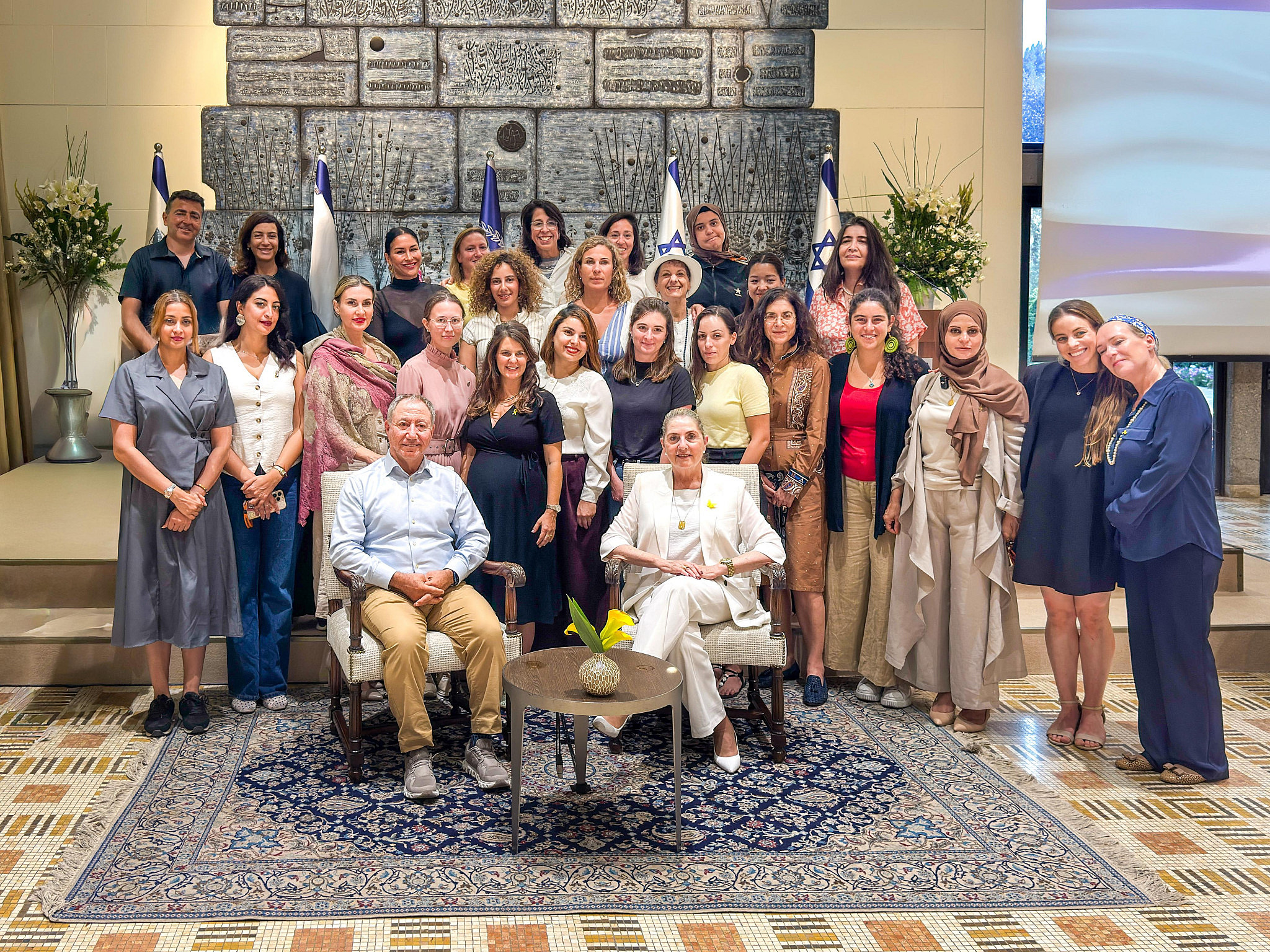
If smart power is the region’s next strategic frontier, I was thrilled to see it being wielded so effectively by idealistic, powerful women right here in Israel in September.
At the recent Women Champions for Change (WCC) Summit, women leaders from Iran, Lebanon, Morocco, Afghanistan, Tunisia, Israel, and across the Gulf met to address shared challenges – from education, equality, innovation and health. Their courage in gathering in Israel, during wartime, embodied a new model of smart power. By building trust across borders, they achieved what politics and armies often cannot: stability from the ground up.
In the midst of chaos, there is also opportunity.” Sun Tzu.
The women are seizing that opportunity – turning division into dialogue and isolation into inclusion.
As a martial artist, I have learned that strength without balance collapses under its own weight. The same holds true for nations. Hard power can secure borders, but only smart power can secure what is within them.
Hard power can secure borders, but only smart power can secure what is within them.
The challenge for the Middle East is to evolve: to master not only the art of defense, but the art of transformation; to move from the clenched fist to the open hand.
Karate teaches that the true warrior wins without fighting. Sun Tzu would agree. And Jabotinsky, too, might have seen that the Iron Wall was never the end of the journey, but the foundation for what comes next.
If the region can find that balance – between power and compassion, between security and cooperation – it can turn survival into renewal. The Iron Wall once symbolized defense. The open hand can now symbolize transformation towards peace.
That is not idealism. It is strategy – born of discipline, guided by wisdom, and strengthened by the courage to open the hand.