
Director of Oxford Interfaith Forum
Georgian Jews and Their Cultural Treasures
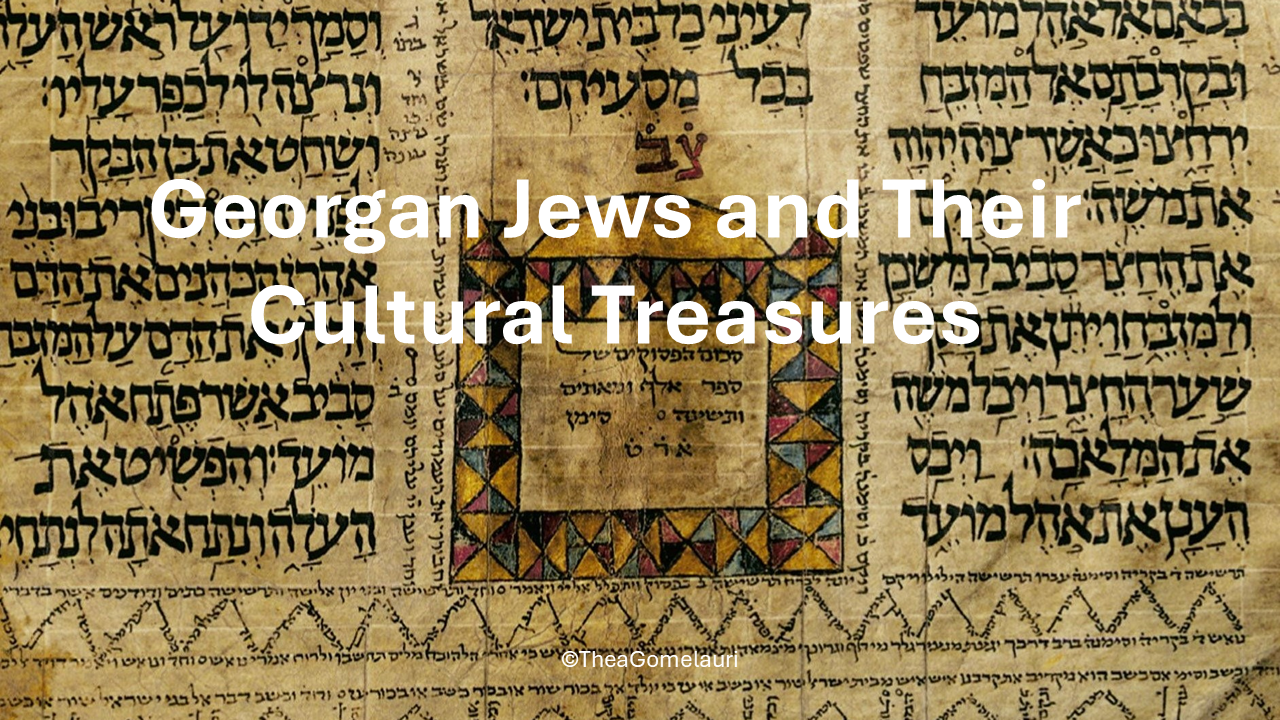
Georgian Jews and Their Cultural Treasures
The home of Georgian Jews is situated at a major crossroad where multiple cultural, ethnic, linguistic, and religious communities converge. Human histories and fates that intersect at this juncture shape the material culture not only of their own.
The Georgian Jewish Community is the world’s oldest continuous Jewish diaspora, but little is known about this unique and vibrant Jamaat (an Arabic word used by Georgian Jews for self-identification), and its artefacts across culture, literature, religion, and linguistics.
To fill this knowledge gap, the Siegal Lifelong Program at Case Western Reserve University offers the six-week online course, GEORGIAN JEWS AND THEIR CULTURAL TREASURES.
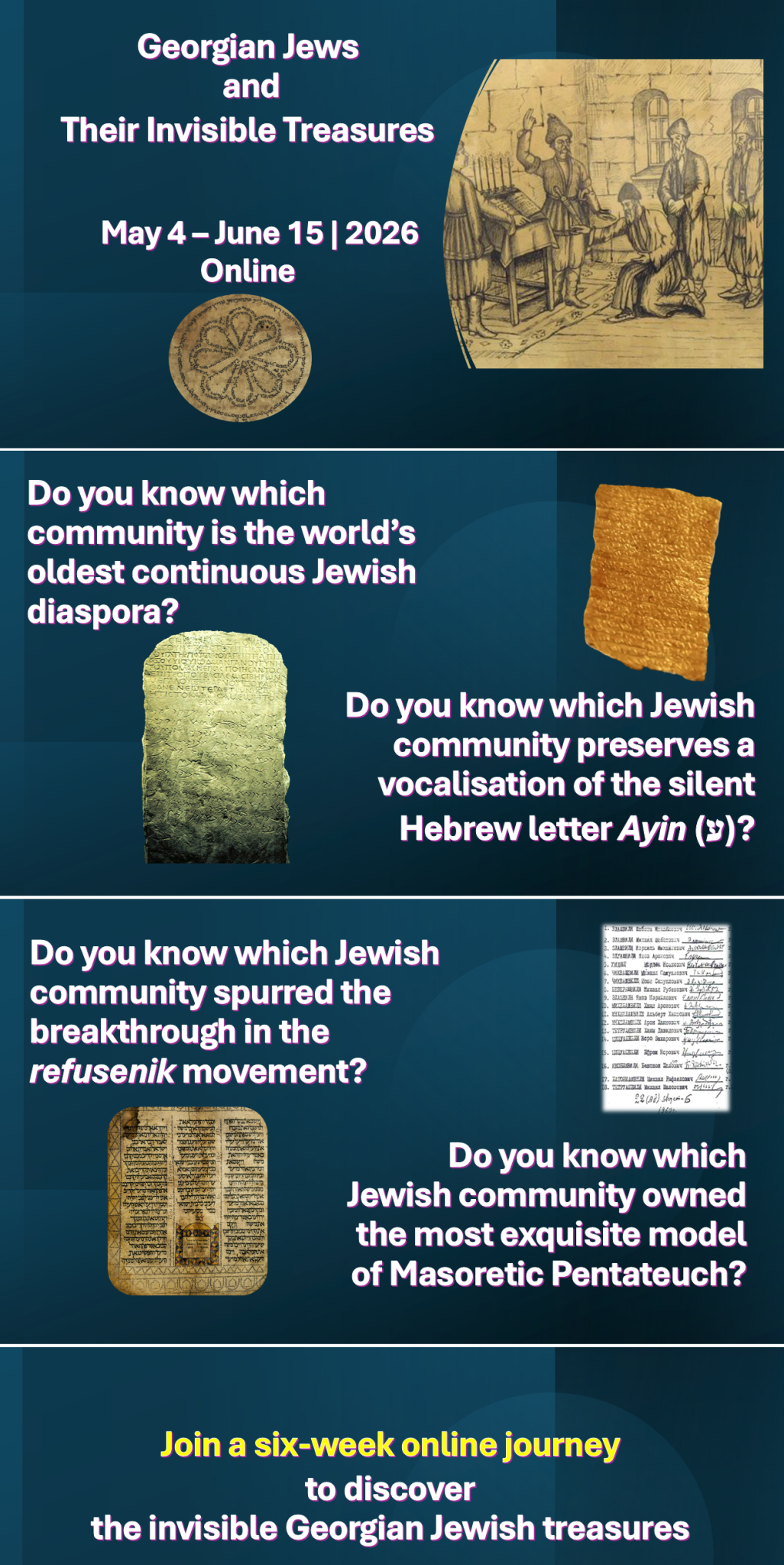
The exploration of how Georgian Jews shared in, and shaped their neighbors’ material culture draws on a range of academic fields: Jewish Heritage, History of Christianity, Religious Studies, Medieval Manuscripts, Linguistics, Interfaith Relations, and Early Modern Narratives.
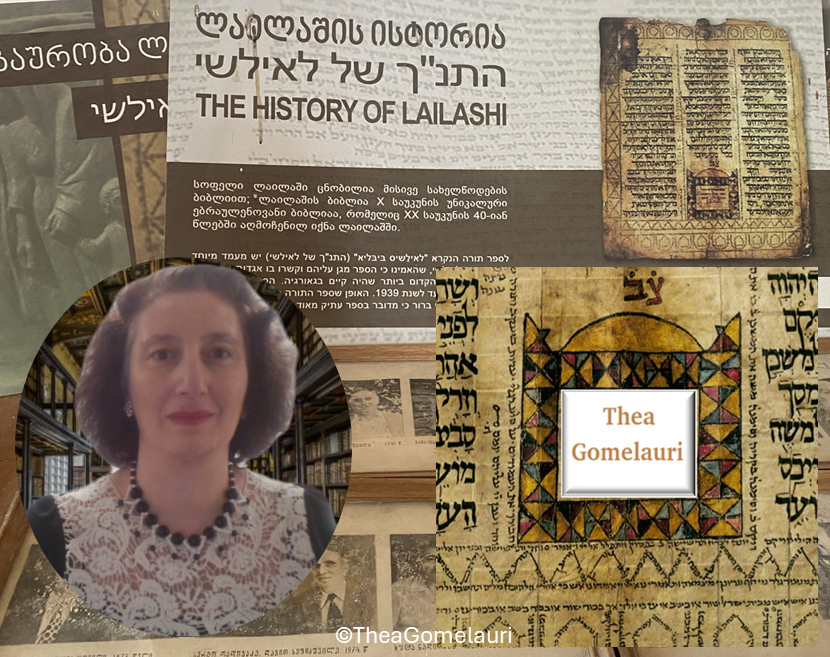
Dr Gomelauri approaches the topic through a diverse collection of visual and textual evidences in Georgian, Aramaic, Hebrew, and Arabic languages. Studying these sources sheds new light on highly significant but understudied episodes of Eurasian historiography and challenges some assumptions about medieval history.
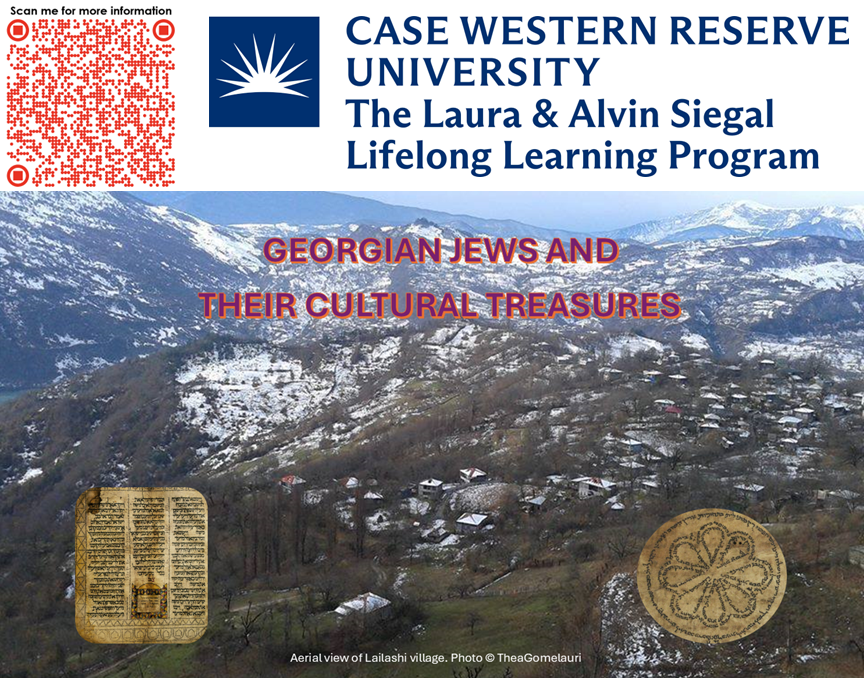
The six-week remote course covers the history of Georgian Jewish from 6th BCE to 21st CE and their cultural treasures, including miracle-working manuscripts, the Lailashi Codex, and the Bret Bibles. The course will introduce students to the unique Judeo-Georgian language, Qivruli, and explore the development of the exemplary interfaith relations that shaped these communities over the centuries.
Related Topics
Related Posts