
Getting Unstuck
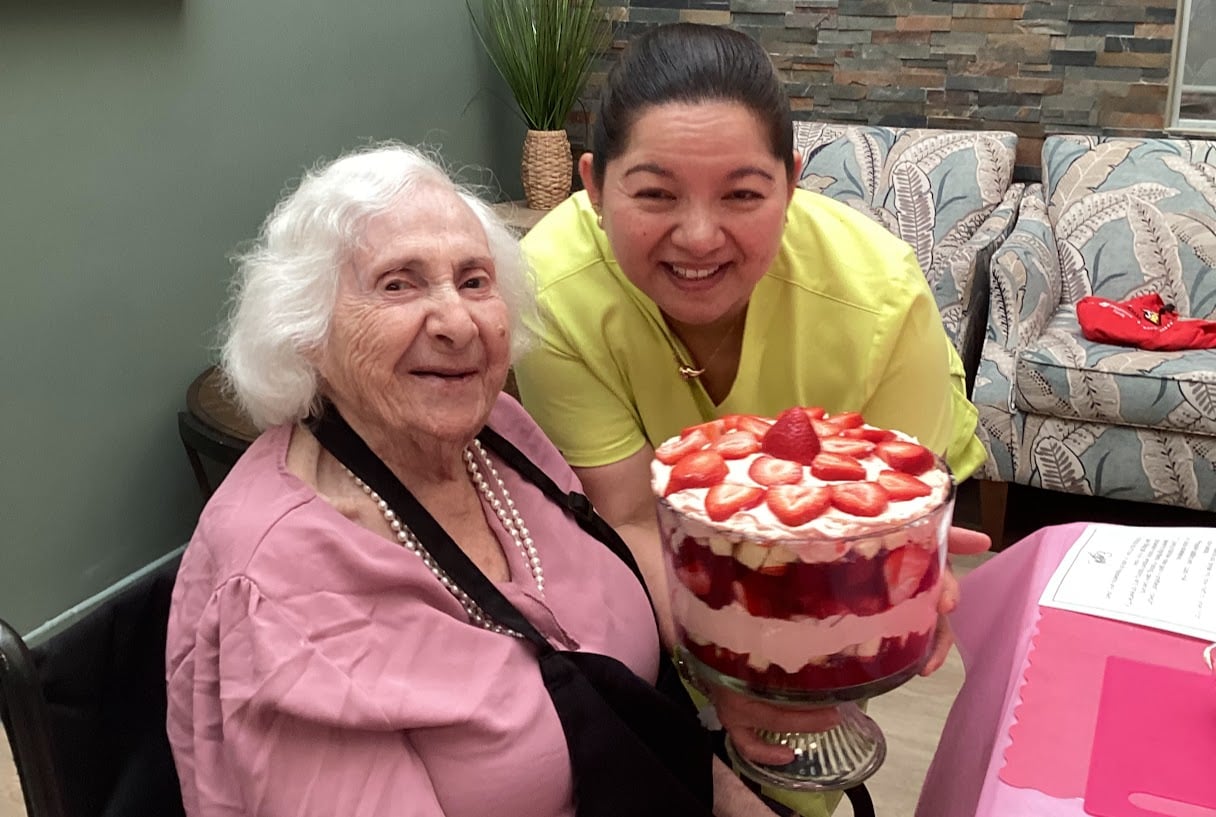
Last week I had the opportunity to be a part of a presentation at an elder care conference. The topic was health and nutrition, and the subject matter was wide ranging. It included the recognition that, especially in an elder care setting, food is not just food. Food is the basis for many social interactions, and it is a trigger for memory on so many levels. Eating well, taking in enough healthy calories, is vital. Equally vital is the social and emotional component.
One of the things that I shared in my comments was the understanding that we have gained by shifting to a more household approach in our long-term care setting. Our elders now live in small, Green House model homes. This model brings with it many changes to traditional practice, not the least of which is dining. Staff in these homes are multi-skilled workers who assist elders with all kinds of cooking experiences and who sit at the table and share meals with them. I like to describe it as feeling like “Thanksgiving dinner with extended family.” Meals, as a result, are much more social and elders have both more food choices and many more interactions.
A question was raised by a participant in the session, concerned that this kind of “freer” dining experience might hamper our ability to monitor intake and ensure that we were aware of how much, and what, each person was consuming at each meal. The reality is that, in this kind of convivial and participative dining, we have found that appetites and enhanced and food intake increases. The dining experience reflects one of the key efforts we are making, to “normalize” the environment and to understand that it is not “home-like,” it is real home, where these individuals live, and where we help them to thrive.
The question brought to mind the one we often get about unlocking the doors of our formerly secure long-term care unit. Of course, we have other safety measures in place but, as we believe and often say, “this is not a prison, and these are not prisoners.” When other long-term care providers are introduced to this, they often express surprise and ask “but how can you do that?” The truth is, you have to change the way you think about elders and give them the agency that they are due. And then, you just have to commit to the change.
In the bigger picture, it is time that we reframe the way we look at older adults. It is time that we recognize that these are individuals who have lived meaningful lives and can continue to do so. Too many of us, whether family members or professionals, are stuck in an old model, in a misconception that we have to exercise control over the lives and choices of our elders, that it is not only okay, but necessary, to treat older adults as if they were children. It is not only possible to walk away from those old misconceptions, it is our obligation. Time to leave the old notions behind and get “unstuck” from a model that no longer effectively serves any of us.