Aging Jewishly
I had a recent opportunity to speak at Friday night services at a congregation in Colorado Springs that I had never attended before. The rabbi, a long-time friend, asked me to include a side trip to Colorado Springs on a recent trip to Denver and I was happy to oblige.
When she asked me what I wanted to speak about, I didn’t hesitate before saying “aging Jewishly,” even though I was not quite certain, at that moment, what I meant by that title. In the intervening weeks I had time to reflect, and research, what aging Jewishly means and it is far more than just the idea that an older adult lives within, and/or receives care from, a Jewish facility.
In our Jewish tradition, we do not see older adults as less than. We do not see them as simply people who need care. Instead, we recognize that aging is a time of wisdom, that these are individuals who have experience and knowledge and something to contribute.
Aging Jewishly, to me, has four key elements. The first is to understand that aging is a time of becoming, not diminishing. Regardless of age or stage, ability or disability, we can all learn new things and take on new challenges. I think of programs like Opening Minds through Art, which are specifically designed for individuals living with a diagnosis of dementia. Using real art as their inspiration, these artists, with support but not direction, from others, create remarkable, beautiful, meaningful works.
The second tenet is purpose, not emptiness. The question is, truly, “What do you still have to give?” The answers might surprise you. Our elders are delighted to continue to be of service. They are happy to serve as volunteers, to do projects, to read to children, to tutor staff learning English as a second language. They can teach, share stories and wisdom and they can use their knowledge and passion to engage and educate others. Purpose does not retire. Purpose does not have an expiration date, and it is core to living a meaningful life.
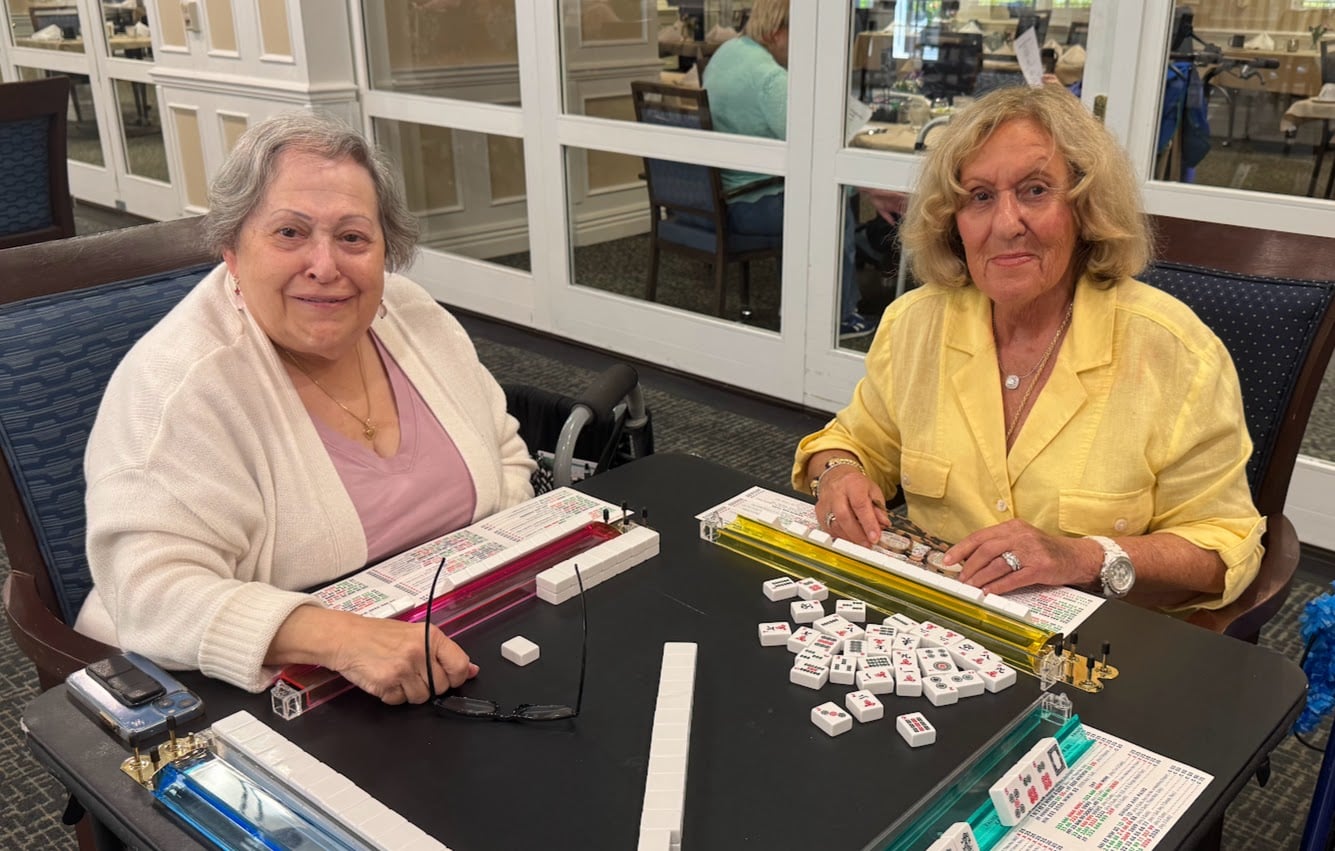
Relationships, not isolation, is the third key to aging Jewishly. Our Jewish values include community and a sense of belonging. As we grow older, this remains important. There are many opportunities for elders to continue and build relationships, connecting with peers as well as intergenerationally. New friendships can be built at any age, and it is up to us to include, welcome and engage elders to help foster those relationships.
Last of my four pillars is spiritual growth, not despair. Older adults can benefit from the traditions and rituals of faith. They can also find this time in life to be one of reviewing their lives, of healing former wounds and of reflecting and sharing wisdom. This can be a time to contemplate their life’s journey and contributions and to express gratitude, as well as receive gratitude from others whose lives they have impacted.
L’dor v’dor, from generation to generation, our elders have much to share and much to gain. Our Jewish traditions support honoring our elders and ensuring that they continue to be relevant and meaningful members of our communities.