
Therapy, Nature, Meaning — Where Minds and Paths Meet
Green Prescriptions for Hard Times—No Doctor Needed
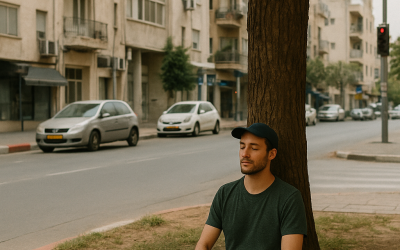
In this challenging and uncertain period, wellbeing has become a widely discussed topic—across workplaces, homes, and healthcare settings. But while the language of self-care and mental health is becoming more familiar, actually turning theory into practice can feel overwhelming. In my view, there are no magic solutions. Wellbeing isn’t about quick wins or perfect routines. What I hope to offer in this and future blog posts are small, grounded suggestions—ways of thinking and doing that might resonate with some readers, and perhaps even prove to be practical and applicable in daily life.
One of the most consistent and powerful resources I return to, both personally and professionally, is nature.
Over the past decade, a growing body of research has confirmed what many of us intuitively know: spending time in nature is profoundly good for our mental health. Studies have linked nature exposure to reduced anxiety, improved mood, increased attention span, and even physiological changes such as lower cortisol levels and reduced blood pressure. A 2019 study published in Scientific Reports found that just two hours a week in nature significantly boosts wellbeing and health outcomes—regardless of whether the time is spent all at once or spread throughout the week.
Read the study
Recognising this, healthcare systems in several countries, including the UK, have begun integrating what’s known as Green Social Prescribing into mainstream care. This innovative approach allows doctors to prescribe nature-based activities like walking groups, gardening, or conservation work to support mental and physical health.
More on Green Social Prescribing
In Israel, similar shifts are beginning to take root—particularly in response to the traumatic impact of the October 7th events and the ongoing war. Since then, both the Ministry of Health and the Ministry of Defense have begun recognising the therapeutic value of nature-based and mind-body interventions. As part of their broader trauma response, they have provided financial support to several healing space initiatives across the country. These include nature- and farm-based therapeutic programmes, especially for veterans and survivors dealing with post-trauma.
Example: Ministry of Defense Farm Therapy Programs [hebrew]
As a therapist, I’ve seen this approach work firsthand. Many of my sessions take place outdoors using a walk-and-talk format. This allows movement and reflection to flow together naturally—often reducing the intensity that can arise in a traditional face-to-face clinical setting. Nature becomes a co-therapist: offering metaphor, containment, and unexpected wisdom.
Likewise, the work I do with Bshvil HaMachar, a non-profit supporting veterans through resilience-building journeys in nature, is based on the same principle. Over the course of several days in wild environments—walking, cooking, resting, and reflecting together—participants reconnect with themselves and with others. These are not therapy sessions in the conventional sense, but nature plays an undeniably therapeutic role.
The good news is that you don’t need to go on a retreat or receive a formal referral to benefit from nature’s healing effects. Here are five simple ways you can self-prescribe some green care—especially if you live in an urban environment:
1. Micro-doses of green
Even five minutes under a tree, beside a patch of grass, or next to a bushy sidewalk corner can have a positive impact. Small moments count. Don’t wait for the perfect trail—use what’s available. Engage your sense of touch: run your hand along rough bark, dip your fingers in a fountain, or pick up a stone and feel its temperature or texture. Let yourself be playful. The act of physically interacting with nature can ground and soothe the nervous system.
2. Urban wandering with open senses
Take a short walk without a destination or headphones. Let your attention rest in your body and surroundings. Tune into your senses: What do you smell? What textures can you touch or feel with your feet? What colours do you see—shades of brown, dusty greens, greys, or sky-blue? Living in Israel, nature doesn’t always look lush and green; our landscapes speak in the hues of earth and stone, not just forests. Even if a smell is pungent, or a texture rough, the act of noticing—without judging—can make room for a subtle inner shift.
3. Bring nature inside
If you can’t get out, bring nature to you. Add a few plants, herbs, or natural materials like stones or driftwood to your home or workspace. Open a window and let in natural sounds or light. Or simply choose a tree, hill, or patch of sky you can see from your window, and let your gaze rest on it now and then—creating a quiet, visual connection to the outdoors.
4. Return to one spot
Pick a simple outdoor location—a bench, a courtyard, or a stretch of pavement shaded by a tree—and visit it regularly. Notice how the air, light, and smells shift over time. Returning to the same spot can create a sense of familiarity and calm—like building a relationship with a piece of the world.
5. Green with others
Nature is not only about solitude. Join a local gardening initiative, a tree-planting event, or simply invite a friend for a walk-and-talk. Being outdoors together—with or without deep conversation—can nurture connection and ease.
Nature & Mental Health – MIND UK
Related Topics