Humble with a declining sense of humor.
Featured Post
Happy New Year. Now what?
With elections coming up, 2026 gives Israelis an opportunity to ask themselves where they want the country to be a year from now
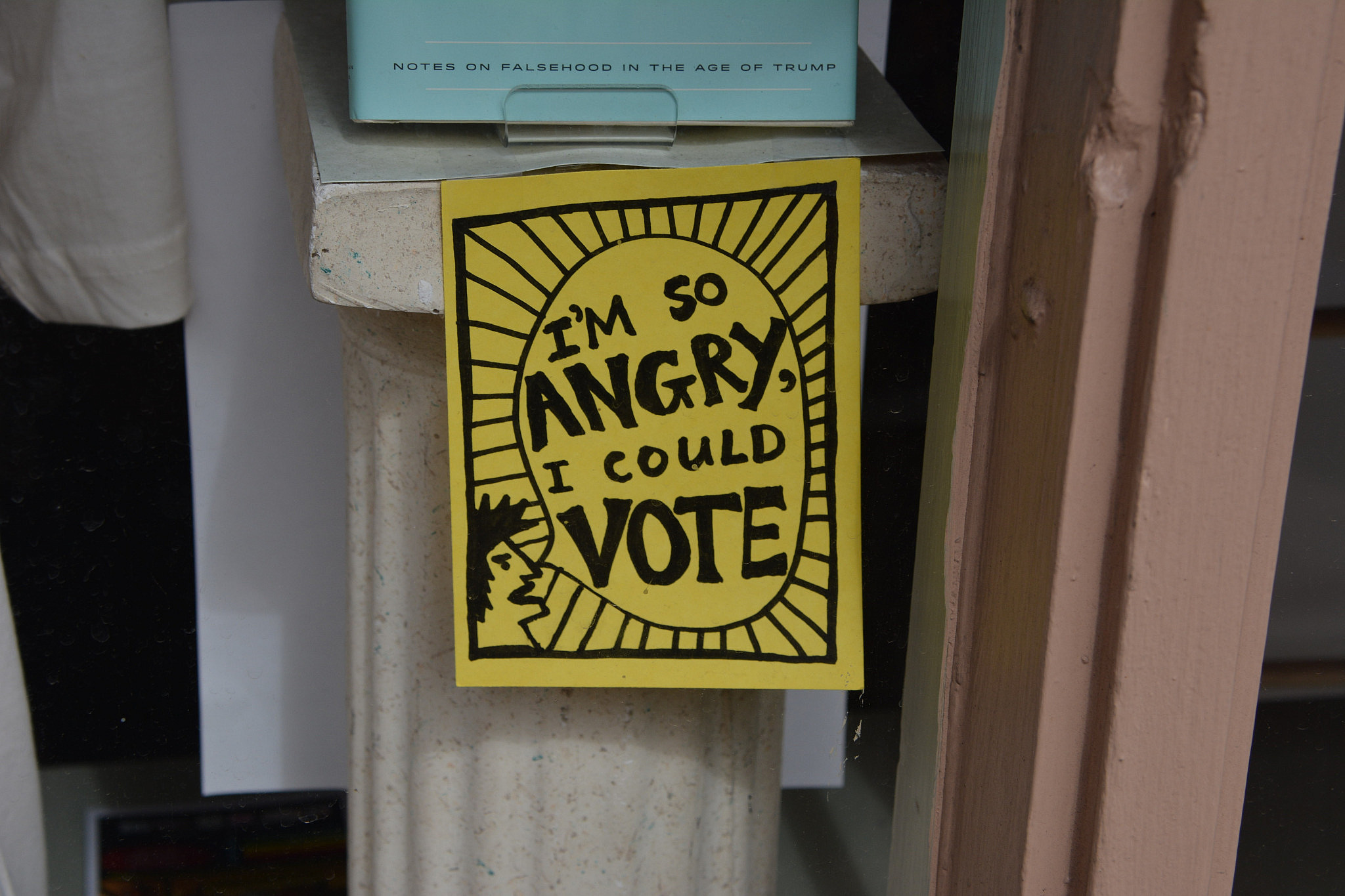
Election Poster (Public Domain), Photo by APGross
Dear Israeli Voters,
If 2025 did not feel like a good year, you are not alone. The good news to kick off 2026 is that elections are just around the corner.
This is often presented as reassurance. It should also invite skepticism.
Israelis have grown accustomed to greeting the word elections with a familiar mix of weariness and guarded hope, along with the sense that we have either just been here, or have waited too long to arrive. Elections remain the central corrective mechanism of Israeli democracy, even if experience suggests that the correction is often partial, delayed, or incomplete.
For many citizens, 2025 felt less like a year than like an endurance exercise. War fatigue persisted, not only along the borders but in daily life. Political paralysis hardened into routine. Economic pressures quietly reshaped household decisions and long-term plans. Tens of thousands of Israelis remained displaced, a constant reminder that instability is not theoretical. Much of the political leadership appeared focused on short-term survival rather than long-term national direction. The distance between public need and political delivery widened accordingly, becoming harder to dismiss and harder to explain away.
The secular New Year arrives without ritual or reflection. Unlike the Jewish calendar, it offers no built-in period for reckoning or repair. It simply appears and poses an unadorned question: now what?
Elections alone do not resolve crises or restore trust. They do not substitute for leadership, competence, or courage. They offer an opportunity — no more, no less. Israelis have used that opportunity in different ways over the years: sometimes decisively, sometimes cautiously, and sometimes out of sheer exhaustion. The upcoming campaign will test whether voters are prepared to demand seriousness over spectacle, competence over familiarity, and accountability over fear.
The past year underscored a basic truth of governance: postponing difficult decisions does not preserve stability; it transfers cost. Strategic hesitation, economic indecision, and political avoidance eventually come due, usually paid not by those who delayed the choices, but by the public that absorbs their consequences. Calling this restraint or realism does not change the outcome; it merely changes the language used to justify it.
As this secular New Year begins, the essential questions facing Israelis are neither ideological nor abstract. What kind of leadership inspires confidence rather than resignation? What economic trajectory is sustainable for those carrying the national burden? What security strategy looks beyond the next emergency toward long-term stability? And where do we realistically expect to be one year from now — socially, economically, and politically?
Like our allies in the United States, Israelis might benefit from approaching this election cycle with a simple, unsentimental measure: Are we better off now than we were before? Not compared to our fears, not compared to our enemies, and not compared to worst-case scenarios invoked during campaigns, but compared to our own expectations of governance and our own quality of life.
If the answer is uncertain, the response should not be reflexive loyalty or habitual cynicism. It should be judgment. Democracies do not fail only when voters choose badly; they fail when voters stop taking their choices seriously.
The secular New Year does not offer solutions, and elections do not guarantee improvement. The question is whether this time Israelis will insist that elections matter.
Related Topics
Related Posts