I believe in independent, clear, and courageous journalism – especially where injustice is being silenced
‘He Caught Seven Grenades’: The Hero of Re’im
Times of israel
By Mikheil Khachidze, reporting from Kibbutz Re’im, Israel
On the morning of October 7, while the world was still asleep, a massacre unfolded near Kibbutz Re’im. Hamas terrorists stormed the Nova music festival, killing hundreds and hunting civilians who had taken refuge in nearby bomb shelters.
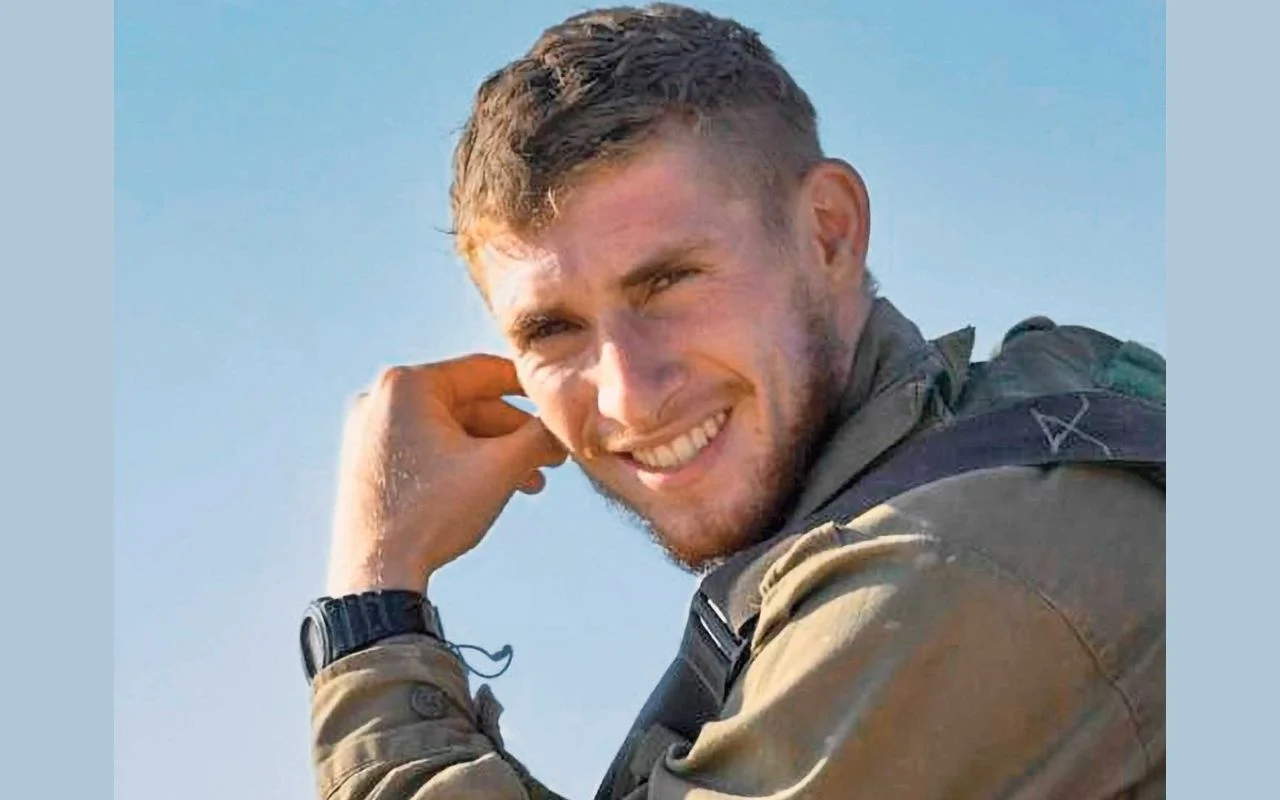
In one of those shelters stood 22-year-old Aner Shapira. A soldier. A musician. A poet. And now, a hero.
As bullets rang out and grenades began to fall, Aner did the unthinkable: he caught seven grenades with his bare hands—throwing them back out the door before they could detonate. Each one could have meant death for the dozens of civilians packed inside. The eighth grenade exploded before he could stop it.
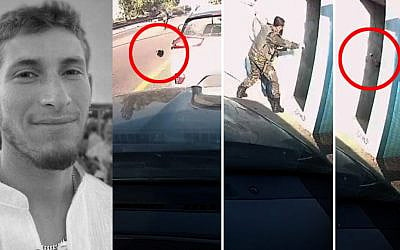
Aner died shielding others. Everyone else in that shelter survived—thanks to him.
That act of self-sacrifice might sound like fiction, but it’s not. Aner’s story has been confirmed by survivors and recognized by Israel’s military. One of those survivors was his close friend Hersh Goldberg-Polin, who was kidnapped by Hamas and later executed in captivity. The shelter became a symbol of both horror and heroism—a site where life was stolen and one life saved so many.
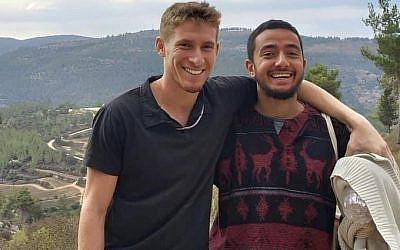
But Aner was more than a soldier. He was an artist—his journals filled with sketches, song lyrics, and ideas about love, justice, and peace. Before his death, he told his family: “If I don’t make it, publish my work.” They did. His debut album is now available. A second is on the way.
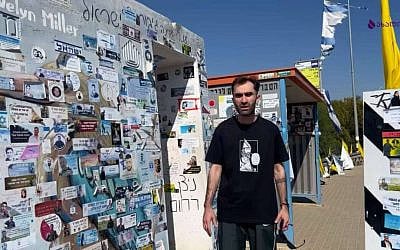
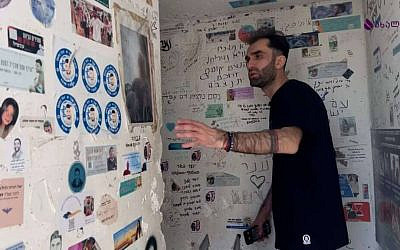
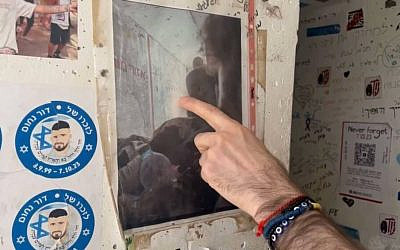
Today, the bomb shelter at Re’im stands covered in candles, photos, and handwritten notes. It’s a place of mourning, but also memory. Aner’s name lives not just in military archives, but in melodies, poems, and the voices of those he protected.
In a world that often asks what heroism really looks like, Aner Shapira gave us an answer.
Author’s Note:
During my reporting trip to Kibbutz Re’im, I stood inside the very shelter where Aner fought back. The air was still heavy. The floor still scarred. But the walls spoke: of courage, of loss, of something larger than any one story. Aner Shapira didn’t just face terror—he defied it. He gave the world a human face of heroism. And now, we must give him our remembrance.
Related Topics