Impacting Tomorrow, Today
Healing the War-Torn North by Building its Future
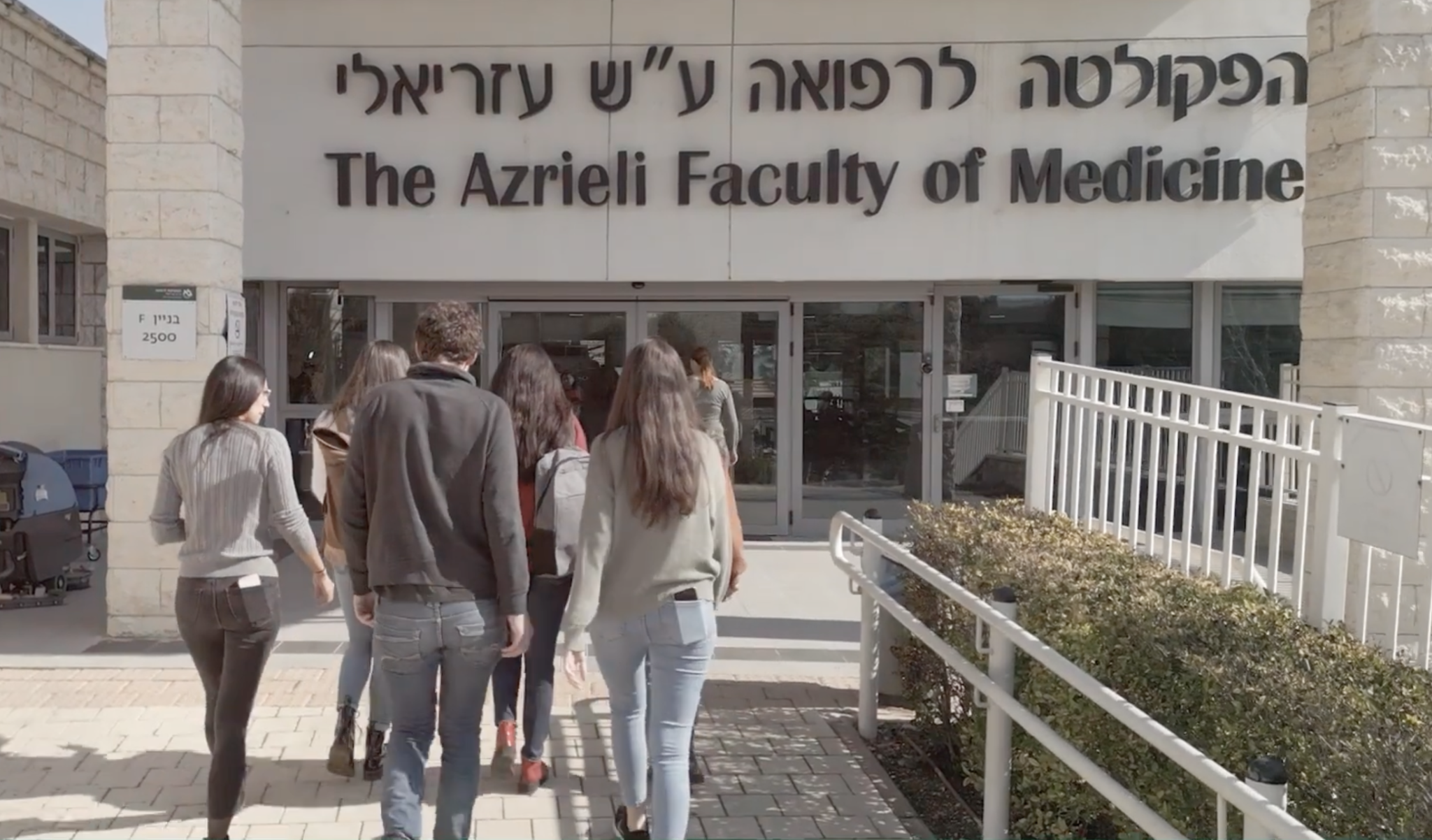
Image: Bar-Ilan University. Published without restrictions.
For two and a half years, life in Israel’s North has been anything but stable. Families have been uprooted, returned, and uprooted again—forced to live without any real sense of permanence. The latest escalation involving Iran and Hezbollah has only reinforced what residents already know: This is not a crisis that has passed, but one that continues to evolve, with no clear end in sight.
Even before the October 7 attacks, the North was already at a disadvantage. Longstanding disparities in healthcare were both pronounced and well documented. According to Israel’s Health Ministry, life expectancy in the North is 81.9 years, compared to 84.2 in the country’s center—a gap that reflects deeper inequities in access and outcomes. These disparities are further compounded by uneven resource allocation. There are just 3.2 physicians per 1,000 residents in the North, compared to 5.0 in Tel Aviv and 4.2 across the Central District. Hospital bed availability tells a similar story: 1.5 per 1,000 residents in the North versus 2.3 in Tel Aviv.
The consequences are significant. Limited access to care contributes to a higher burden of chronic disease. Data from Bar-Ilan University’s Russell Berrie Galilee Diabetes SPHERE initiative shows that Type 2 diabetes prevalence in the Galilee is approximately 14%, compared to 10% in central Israel—an early indicator of the long-term health effects of these systemic gaps.
Rebuilding the North requires addressing its healthcare system, because longstanding disparities—now intensified by ongoing crisis—will otherwise continue to drive poorer outcomes and deepen regional inequality.
But this moment is not defined by crisis alone. It also calls for a new approach to building the future of healthcare in the North.
Too often, the region is framed in terms of “recovery”—a narrative that suggests resilience and a return to normalcy. Yet that framing falls short. For those living in the Galilee and surrounding areas, this is not simply a recovery story. It is an ongoing disruption, and an opportunity to rethink what sustainable health and stability can look like under prolonged pressure.
The current crisis has only deepened existing challenges. Residents are postponing routine care, delaying preventive screenings, and limiting physical activity as daily life becomes more constrained. Chronic stress has become a defining feature of life, taking a growing toll on mental health.
These challenges are not new. What has changed is the urgency—and the presence of institutions equipped to respond. Bar-Ilan University has emerged as a key force in addressing these disparities, working to build the long-term infrastructure needed to improve healthcare access in the region.
At Bar-Ilan, these efforts are not reactive; they are part of a broader, forward-looking strategy to close gaps that have existed for decades while strengthening the system for the future.
The Russell Berrie Galilee Diabetes SPHERE operates at the intersection of healthcare delivery and the social conditions that shape it. Its approach is grounded in a simple idea: health outcomes are inseparable from stability, access, and community resilience. By partnering directly with local providers and communities, SPHERE is redefining how chronic disease is prevented and managed—achieving a 40% to 50% reduction in the progression from prediabetes to diabetes in the Galilee.
At the same time, Bar-Ilan’s Azrieli Faculty of Medicine in Safed was established to address the structural divide between Israel’s center and periphery. By training physicians within the communities they serve, it is helping build a locally rooted healthcare workforce. In a period of sustained crisis, that model has proven essential. Students, faculty, and affiliated clinicians have supported regional hospitals, expanded clinical capacity, and maintained continuity of care under ongoing strain.
Together, these efforts represent more than individual programs. They reflect a broader shift from managing disparity to actively closing it.
The stakes are higher than they may appear. The greatest risk facing the North is not only the current instability, but what follows it. If health continues to be treated as secondary, the long-term consequences will shape the region’s demographic, economic, and social future.
There is, however, another path. It begins with recognizing that healthcare is not peripheral to recovery—it is foundational to it. It requires aligning policy with lived experience, investing in regional institutions, and scaling models that are already proving effective. Most importantly, it demands a shift from reacting to crisis toward proactively building resilience.
The future of the North will be shaped not only by external threats, but by the systems put in place to support the people who live there.
Healing the North is not about returning to what once was. It is about building what has long been missing—and ensuring that, even amid prolonged crisis, a stronger and more equitable healthcare future can take root.
Related Topics
Related Posts