Helping trafficking survivors turn pain into purpose
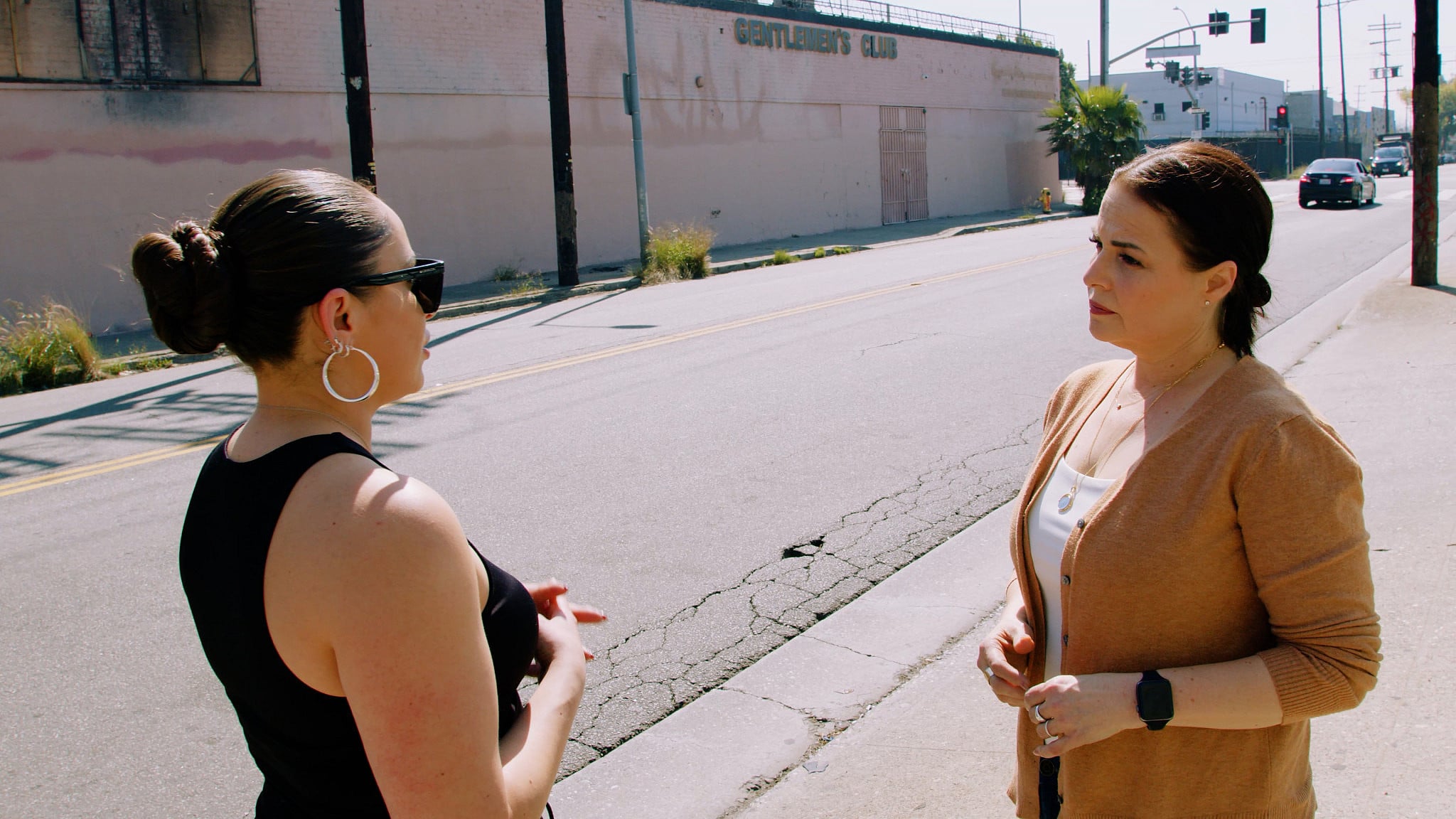
Sex trafficking and child exploitation is one of the most urgent crises of our time.
“We cannot fight monsters we don’t recognise” said June Haskell, survivor engagement director at Our Rescue, “but as soon as we know it and see it for what it is, we’re going to change the game.
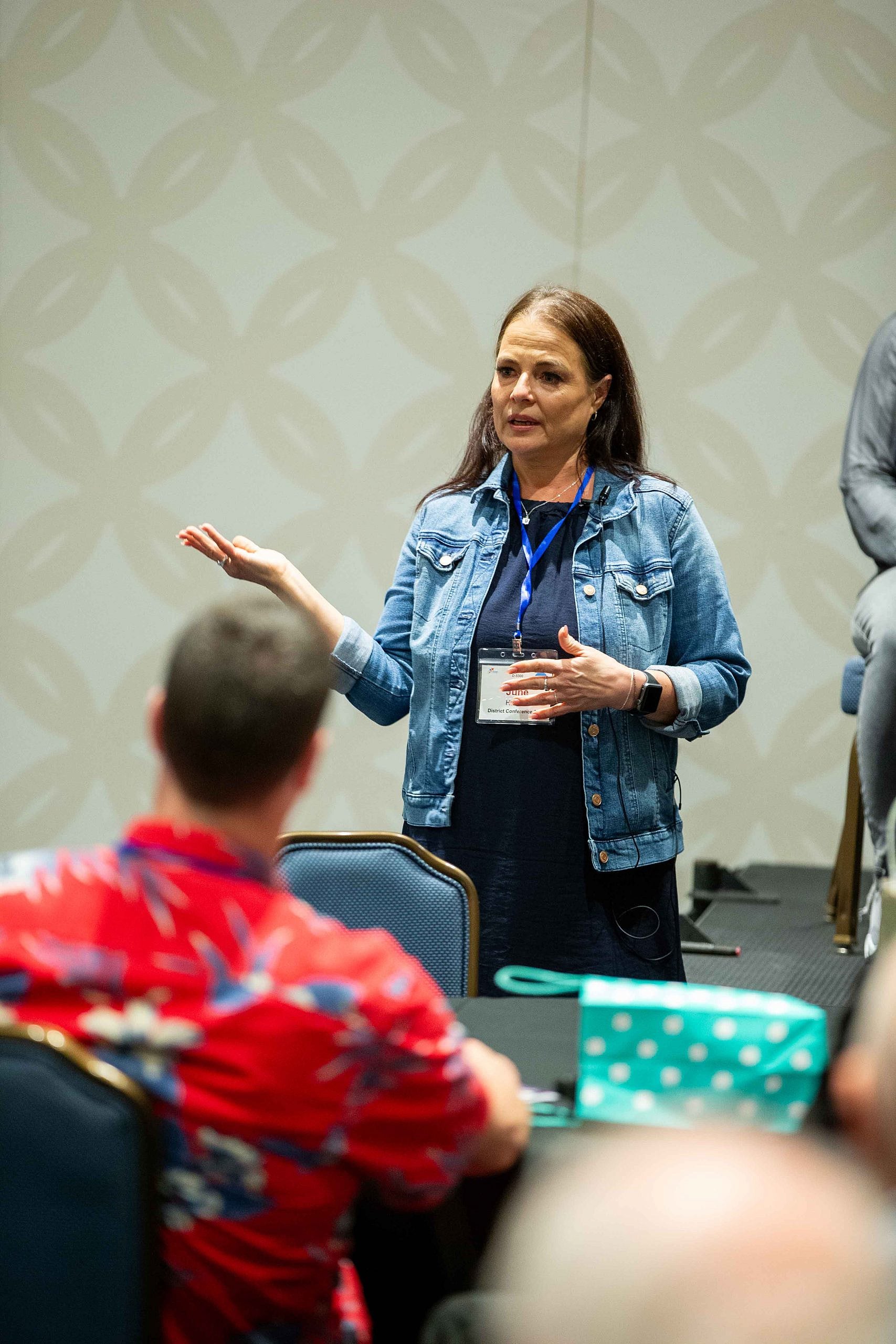
Trafficking survivor herself, Haskell speaks of many victims’ inability to recognise exploitation.
One example of many is Haskell’s visit to a women’s prison in Australia. There she met a group of women with whom she shared her anti trafficking efforts as well as her personal experience. “One of the prisoners on my right” said Haskell, “she raised her hand and she said ‘you know, I wasn’t trafficked but when my mom couldn’t pay for drugs she would give them me.” I looked at her and said ‘that is exactly what trafficking is.”
Haskell then looked around the room and asked the other women if anyone else has had a similar experience “been that person or know of someone or seen something like that happen”, and almost every woman there raised her hand – “that’s why education is important? stresses Haskell, “because it was right there and the women it was happening to didn’t recognise it.”
Here, June Haskell speaks about the survivors under Our Rescue’s care, the lessons that can be learned from their experience and different journeys, predators’ tactics and turning pain into purpose.
HG At what stage do survivors reach you? Am I right to assume they are referred by police and /or welfare authorities?
JH In my role, I connect with survivors at many different stages of their journey. While a number of referrals do come through law enforcement or social services, many survivors reach out through trusted community partners, faith leaders, schools, online resources, or simply through word-of-mouth from other survivors. There isn’t one pathway, every story is different.
Some survivors reach out in a moment of courage, even while they’re still in dangerous or complicated situations. Sometimes it takes several of those moments before they’re able to fully leave. Others come forward years later, when they finally feel safe enough to talk about what happened.
HG What lessons can be learned from survivors’ experience? What could have stopped them from falling for the wrong people?
JH Honestly, we can learn a lot from survivors’ experiences. When lived experience is included — not as a token voice, but as a vital part of shaping programs, prevention efforts, and how we support people — things change. Survivors understand what happened to them better than anyone, and they know what could have helped, what was missing, and what made them vulnerable in the first place.
One of the biggest things we need to understand is that trafficking doesn’t happen because a child or teen ‘fell for the wrong person.’ It happens because someone with power — whether that’s age, resources, or authority — chose to exploit a vulnerability. And those vulnerabilities are things most of us can relate to. Emotional needs, family conflict, financial stress, loneliness, or simply wanting to feel seen and valued — these are normal human experiences.
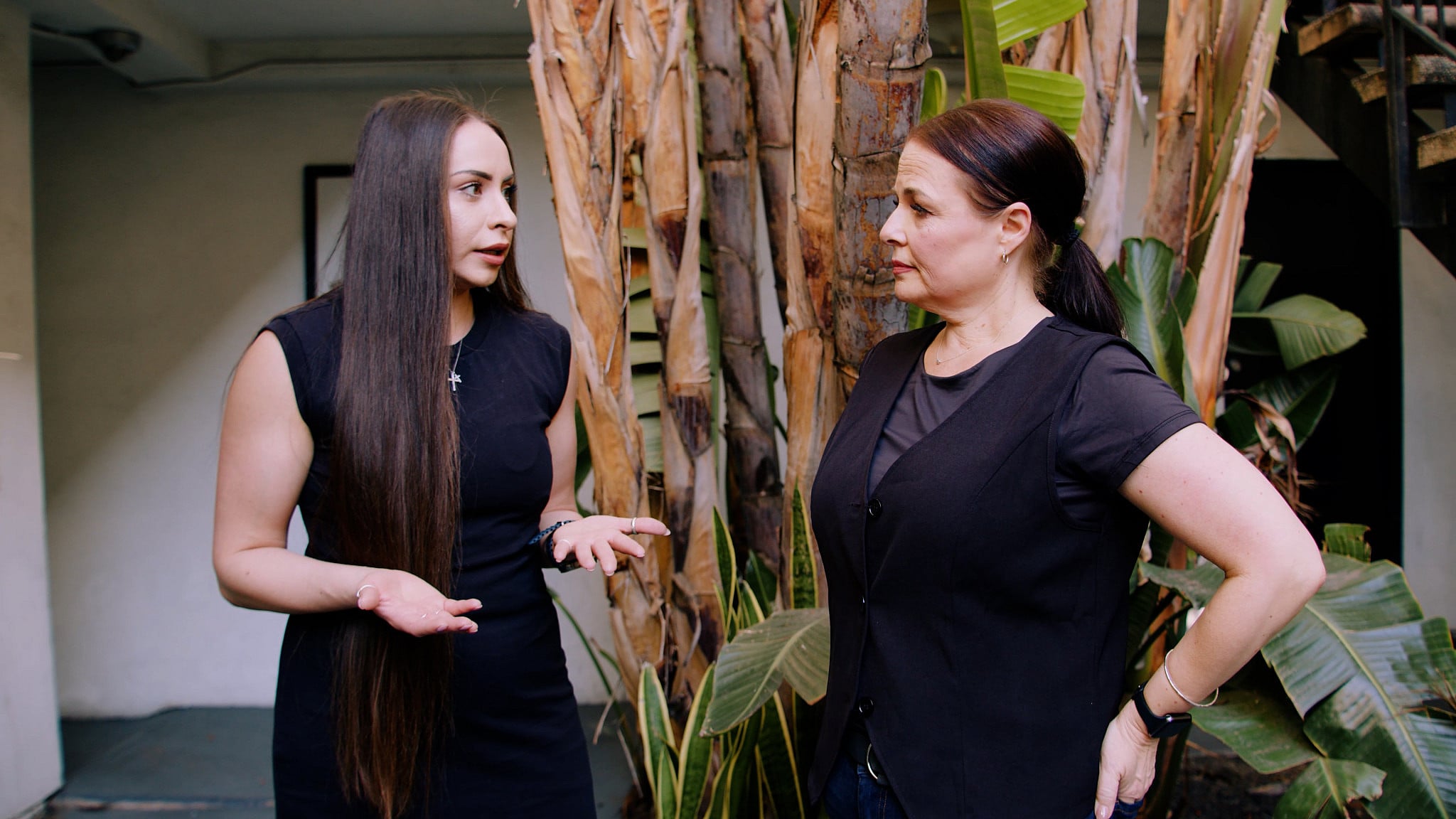
The difference is that someone noticed those normal human vulnerabilities and used them against the child. That’s grooming. That’s exploitation. Survivors weren’t naïve. They were targeted. And very often, the person exploiting them was someone they trusted: a family member, a partner, a coach, someone in their community. Someone who should have kept them safe.
So, the lesson isn’t about blaming kids or families. It’s about strengthening what surrounds them — safe adults, healthy relationships, open communication, communities that pay attention, and adults who recognize grooming for what it is. If we want to stop exploitation, adults need to understand manipulation — not expect a child to spot danger that an adult is intentionally hiding. Survivors make that crystal clear, and their voices need to shape how we respond.
HG Would you encourage parents to not let children have mobile phones at all or just restrict access to the internet?
JH I don’t believe the solution is to take phones away. I wish it were that simple. What I’ve learned is that technology isn’t the threat — predators are. And the only thing that truly protects kids is strong, connected, informed adults in their lives. We can’t afford to focus only on the device instead of strengthening communication and relationships.
Predators don’t depend on a specific app. They depend on silence, shame, and vulnerability. And the best way to break that is by giving kids language, support, and trusted adults who show up consistently.
In my conversations with parents, grandparents, and kids themselves, one thing becomes clear again and again: we must teach children what a trusted adult really is. Kids will say, “I’m talking to a friend,” and to a child, “friend” automatically means trust. Adults need to hear that word very differently. “Friend” might mean someone their own age… or it might mean a 34-year-old pretending to be 14 on a gaming server.
We need to be teaching kids — early and often — the difference between: an online friend vs. an in-person friend a peer vs. an adult pretending to be a peer someone who feels nice vs. someone who is actually safe attention vs. trust. When kids understand these distinctions, and when adults stay actively involved in their digital world, their safety increases dramatically. So instead of banning phones or the internet, I advocate for something stronger: open communication, clear boundaries, co-using technology with kids, and creating a home environment where a child can say, “Something feels off,” without fear of being blamed or punished. That kind of connection is one of the strongest tools we have to keep kids safe.
HG What is the most prominent method for predators to reach children and teens? Is it chat on social media? Games? Is there any specific app or platform that stands out in this respect?
JH Predators don’t care what platform it is — they go wherever kids are. Social media, gaming chats, livestreams, anywhere there’s private messaging or anonymity, someone with bad intentions can show up. But it’s not just online. It’s in our communities and neighborhoods too. Where are predators? Wherever kids are. Period.
What concerns me most isn’t the specific app — it’s the behavior behind the “friend.” Grooming often looks unthreatening at first. It can feel friendly, flattering, helpful, even normal. But it’s actually a process: building trust, creating secrecy, making a child feel special, and slowly crossing boundaries. That pattern is what we need to watch for.
I always recommend parents do their homework on the apps and sites their kids use, but even more than that, I encourage focusing on helping kids understand what manipulation looks like and making sure they have safe adults to go to when something feels off. If a child knows the signs, they can recognize them on any platform, in any setting — online or offline.
HG You are turning pain into purpose
JH For me, ‘turning pain into purpose’ was never a single moment. It wasn’t like I woke up one day and everything suddenly made sense. It was more like.. I just kept showing up. Even when it hurt. Even when I questioned whether I had anything to offer. I kept choosing to use my voice as a survivor, so others could understand, and so other survivors wouldn’t feel alone. I wanted people with the power to make a difference to learn from the things that never should’ve happened to me. And over time, that steady choice — showing up, telling the truth, using my experience to help others — slowly became my purpose.
I don’t think the pain ever completely goes away. Not really. But it stops being the main part of my story. For me, my experiences eventually became something I could use to help someone else feel less alone or less confused. If sharing my experiences helps someone be safer, or helps a parent understand something sooner, or inspires an organization to finally put survivors’ needs first, or helps even one survivor feel believed… then those painful chapters feel like they’re contributing to something bigger than the harm that created them.
And honestly, my role at Our Rescue has been a huge part of that. Being in a place where my voice is valued — really valued — has been healing in a way I didn’t expect. Survivors don’t trust easily, so for me to say that I trust my insight is respected and sought out… that means something. It’s empowering to sit at a table where my experience isn’t something to hide or minimize, but something that actively shapes programs, practices, and the way we show up for survivors. That kind of validation and respect matters. It has changed the way I view the world — and honestly, it has changed the way I see myself.
So for me, turning pain into purpose is really about taking something dark and making sure it creates more light for the next person. And being in a role where I get to help build something better for survivors across the globe, that has been healing and meaningful in ways I can’t fully express.
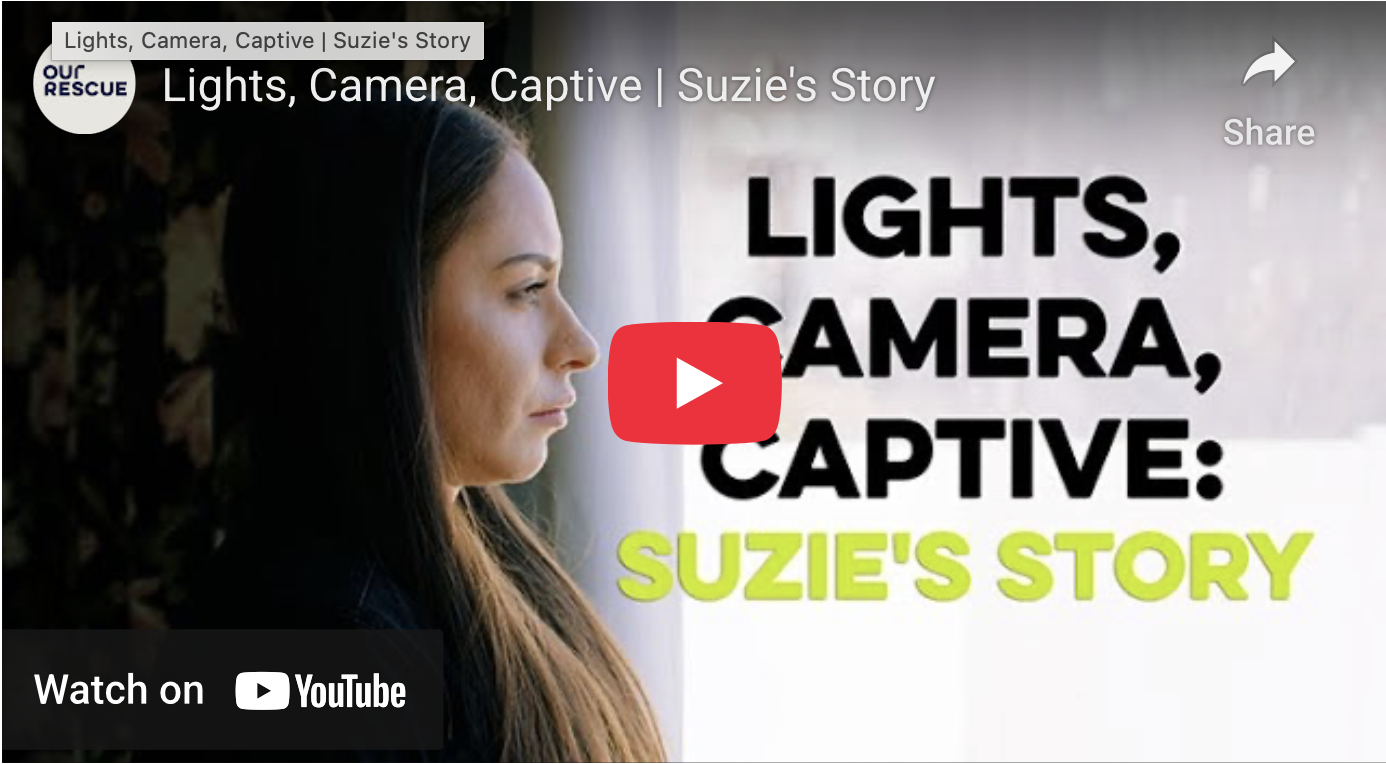
HG The emotional scar will remain with survivors for life but would you say that with your help, survivors as a whole are able to find some kind of closure enabling them to ‘function’ within society and rebuild trust in others?
JH I don’t know that ‘closure’ is the right word for most survivors. We don’t erase what happened — we learn to carry it differently.
The pain changes over time, and it stops being the whole story. What matters isn’t closing the door on the past but building a life that feels safe and honest and ours again. And yes, with the right support, survivors absolutely rebuild trust. Trauma impacts that — but it doesn’t take it away forever. When someone finally has people who show up, who are consistent, who don’t judge them, who give them choices… it’s amazing what can happen. I’ve seen survivors go from feeling completely broken to leading teams, raising families, finding their voice, and creating lives that feel meaningful. My role isn’t to “make” that happen. It’s to walk alongside others, give them tools, help survivors feel seen and believed, and lend my voice in creating spaces where healing is possible. Survivors don’t need fixing — they need support, respect, and control over their own story.
So yes, survivors can absolutely rebuild trust and live full lives on their own terms — not because of anything I do, but because they’re incredibly resilient, and because they finally get the kind of support and compassion they deserved all along.