HMD: The Lost Shtetl Museum and the responsibility to remember
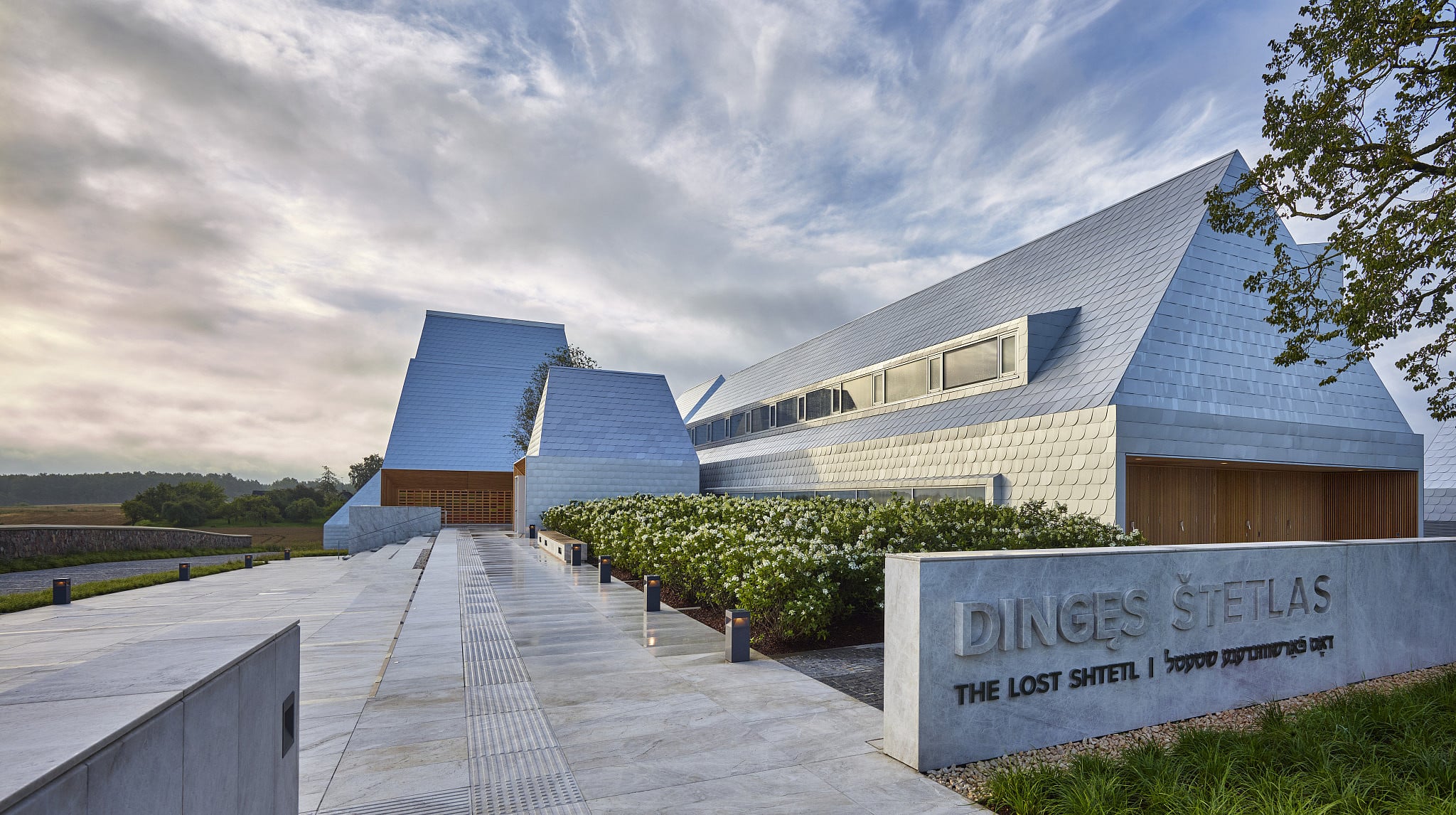
On 27th January, countless people around the world paused to remember the six million Jews who were murdered during the Holocaust. The theme for this year’s Holocaust Memorial Day (HMD)was ‘Bridging Generations’ which, against the backdrop of growing rates of Holocaust ignorance and denial, was a timely reminder of the importance of investing others with the responsibility of remembrance. At the Lost Shtetl Museum, a new Jewish history museum located in Šeduva, outside Vilnius, we keep this message at our heart.
Holocaust Memorial Day is central to the education of younger generations about the Holocaust, and encourages people of all ages, faiths, and backgrounds to take part in remembrance. Since it was established in 2000, tens of thousands of events take place annually worldwide, which have unmeasurable impact. The engagement of influential leaders like King Charles III, who met with Holocaust survivors at Buckingham Palace, brings much-needed attention to the cause.
At the same time, we need to recognize the alarming state of Holocaust ignorance and denial. Across seven European countries, 20% of people believe that two million or fewer Jews were murdered in the Holocaust, while nearly half of Americans aged 18-39 could not name a single concentration camp or ghetto. The conclusion is clear: there is an imperative need to strengthen educational resources about the Holocaust, ensuring they are accessible to broad audiences.
It is against this context that the opening of the Lost Shtetl Museum is so significant. We are proud to be among the newest major Jewish museums, alongside some outstanding institutions in the US and Europe, as well as Yad Vashem in Israel. Since opening in September 2025, around 29,000 people have visited the museum, hailing from around Lithuania and Europe as well as further afield such as Israel, the US and South Africa. Their level of engagement has been inspiring, demonstrating the public’s appetite for learning about Jewish history.
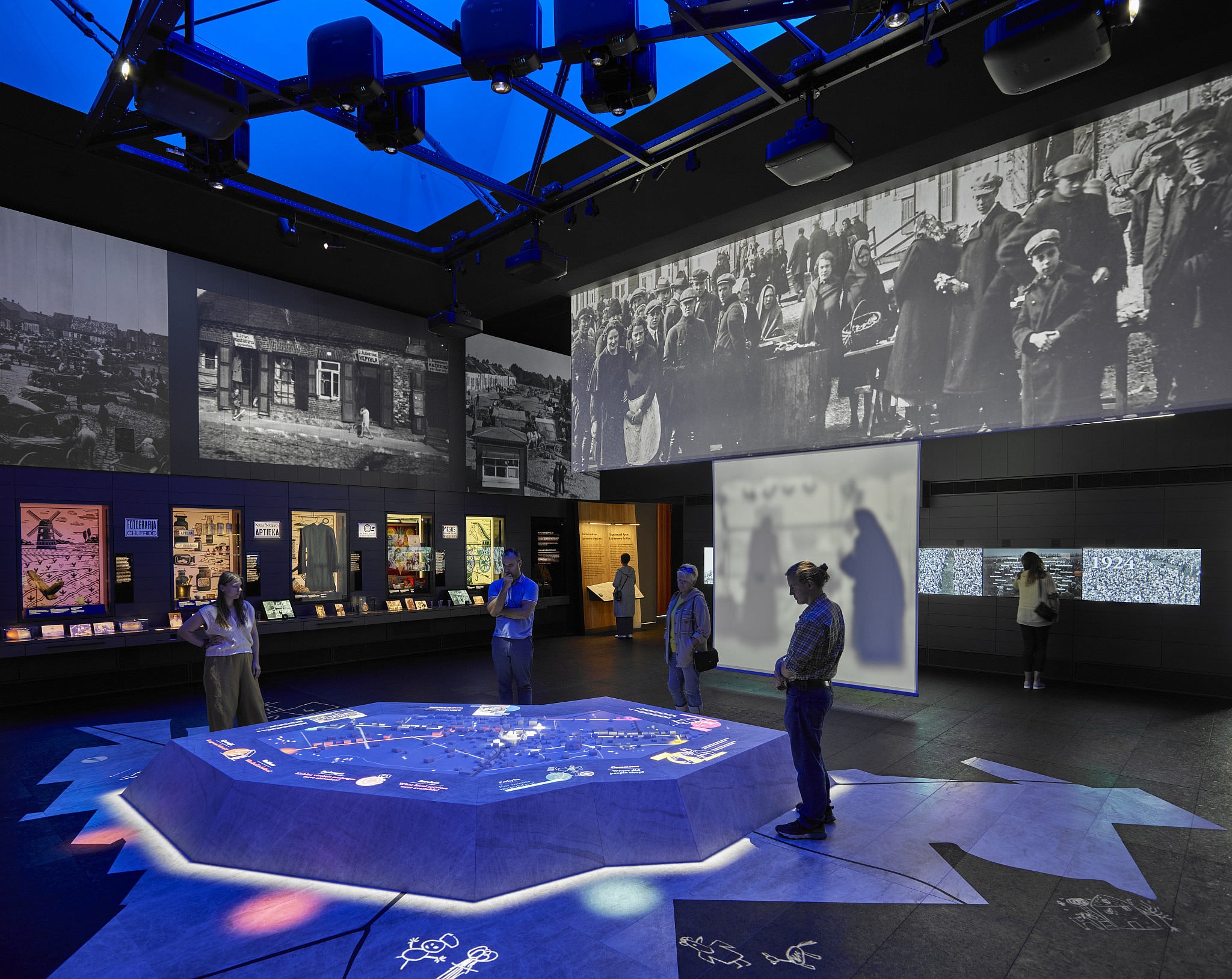
At the Lost Shtetl Museum, we tell the story of Lithuania’s Jewish community from its very beginning. Despite its richness, the history of Jews in Lithuania is rarely told, and the opening of the museum represents a crucial intervention in this respect. The first Jews arrived in the Grand Duchy of Lithuania in the fourteenth century, invited for their knowledge of trades and craftsmanship. For generations, Jews enjoyed protections and privileges, could worship freely, and lived alongside Christians in small towns called Shtetls, a common feature of Eastern European landscapes, as well as in cities like Vilnius and Kaunas.
Of the 190,000 Jews who lived in Lithuania on the eve of the Second World War, over 90% perished during the Holocaust, one of the highest proportions of any European Jewish population. Most shtetl Jews were killed at the hands of Nazis and local collaborators between June and December 1941. In Šeduva, the Jewish community was forced into a temporary labour camp before 664 people were murdered in the nearby Liaudiškiai Forest, exemplifying what has been termed the ‘Holocaust by bullets’. Jews who survived lived in urban ghettos until their liquidation in 1943, when they were largely transported to concentration camps across Europe. The collaboration between locals and Nazis during the war could be uncomfortable to confront, but the engagement of Lithuanian visitors to the Museum with this topic exemplifies a strong sense of duty to remembering Jewish victims.
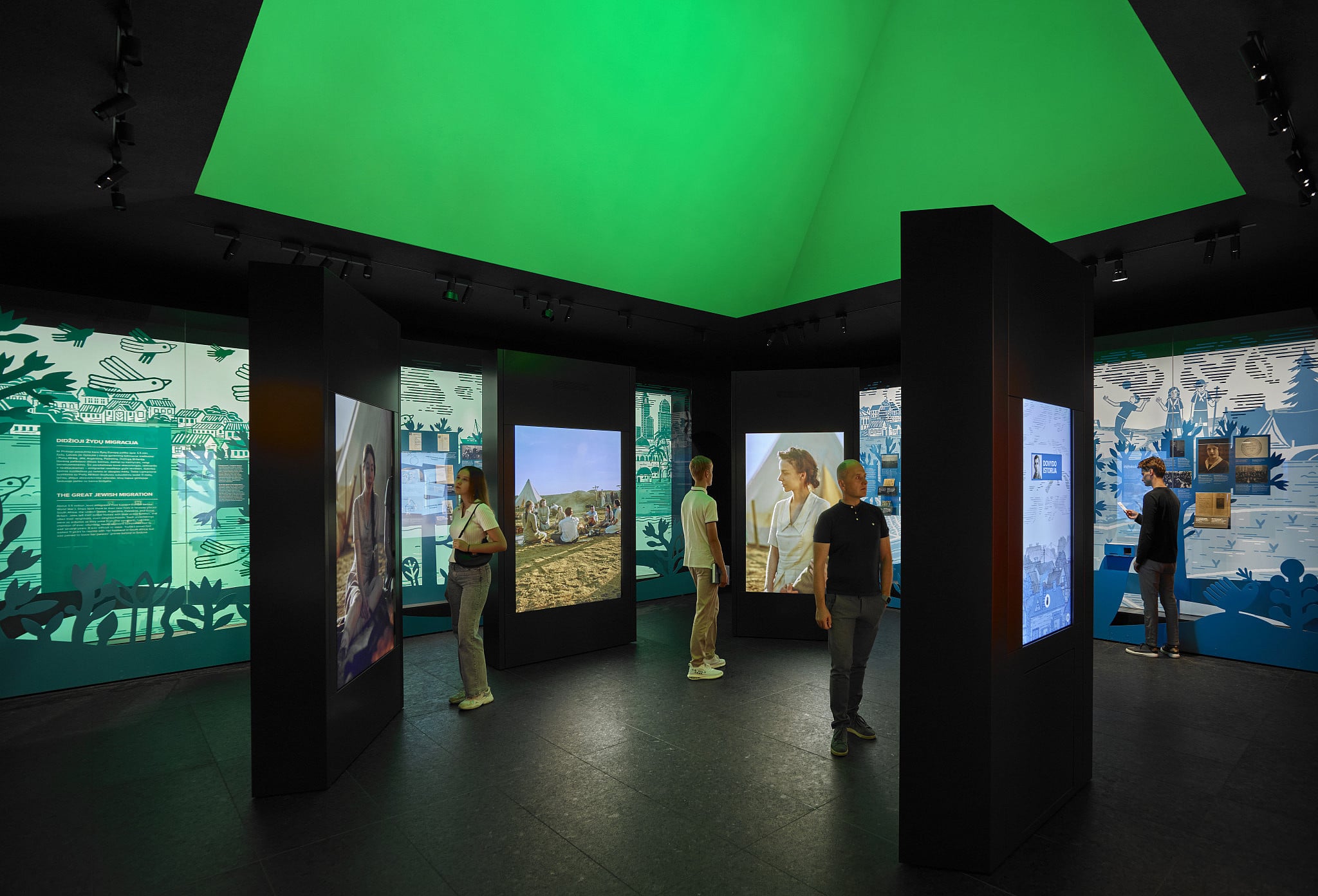 The Lost Shtetl Museum represents a multi-million-euro investment into Holocaust education. With Jewish testimony at their core, our exhibitions were developed by a team of local Lithuanian curators in collaboration with experts from Germany, Israel, Lithuania, Poland and the United States. We have created an experience designed to engage a broad audience with the stories of Lithuanian Jews, featuring photographs, written records, physical artefacts, films, and multimedia installations.
As the international program of Holocaust Memorial Day events draws to a close, I want to reiterate the importance of creating educational resources that can speak for themselves. It is a sad reality that, in the not-too-distant future, we will have lost the remaining Holocaust survivors who can give first-hand testimony. To preserve the memory of the Holocaust and its victims, and ensure their influence upon this world remains everlasting, we must strengthen the bridges between generations, faiths, and nations.