
Holocaust for sale
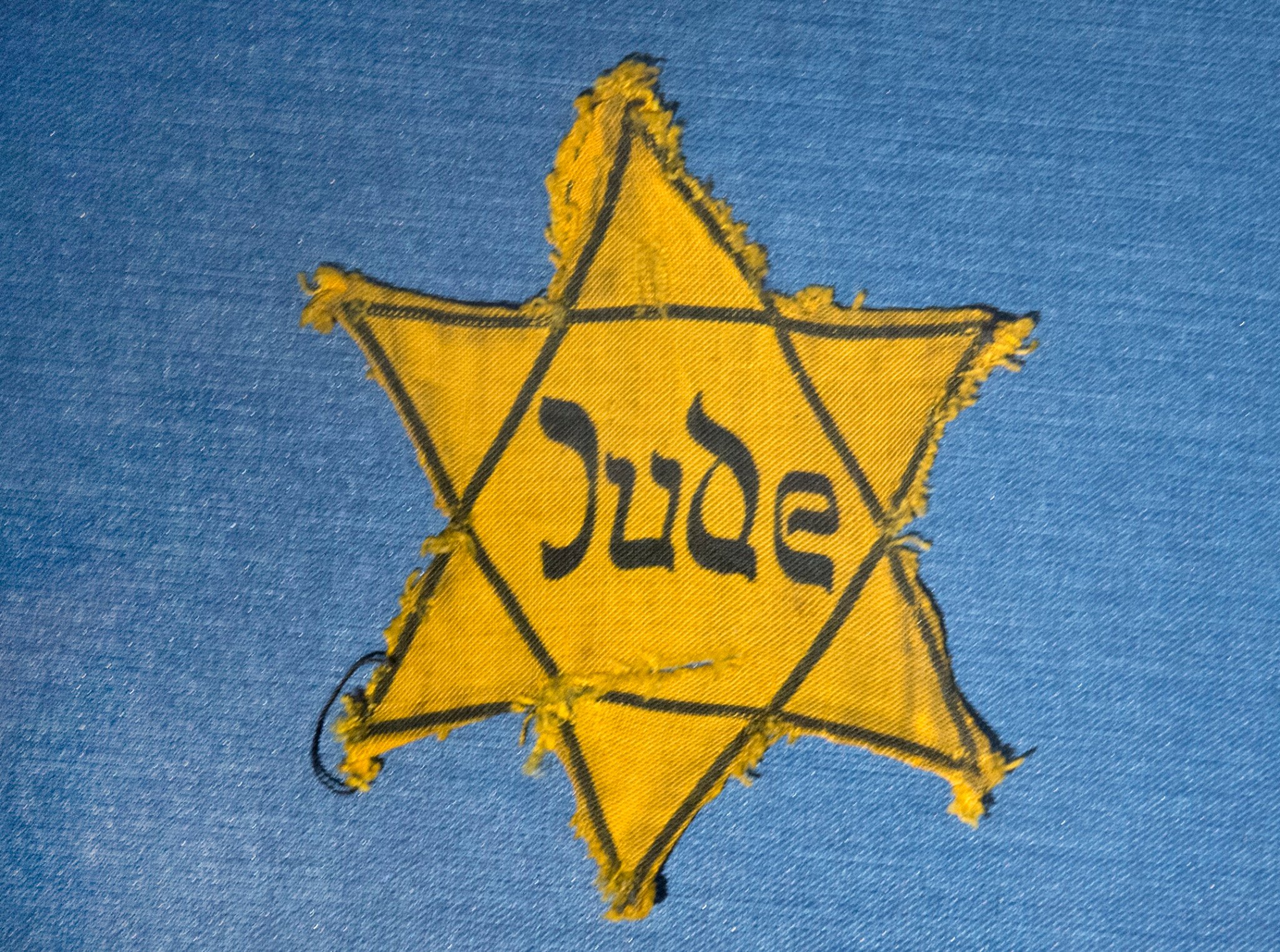
On Sunday, November 16, after public outrage in Germany and abroad, the Felzmann auction house announced it would cancel its planned sale of hundreds of original Holocaust artifacts. The yellow badges, family letters from ghettos, medical reports of forced sterilization, and personal documents of Jewish victims were withdrawn, for now. But the cancellation, while welcome, should not be mistaken for victory. It is only a partial success in a much larger and deeply troubling phenomenon: the commercialized trade in Holocaust memory, a global industry worth millions.
The items Felzmann intended to sell reflect only one chapter in a much wider marketplace. Over the past decade, Holocaust and Nazi-era artifacts have routinely surfaced at auctions across Europe and the United States. Hitler’s pocket watch was sold in Maryland for $1.1 million. SS uniforms, medals, and Nazi eyewear have appeared in European auction houses for thousands of euros. Jewish passports stamped with the “J,” deportation lists, and letters from ghettos have been traded privately, with some later traced to extremist collectors or neo-Nazi sympathizers. This is an industry that profits from the persecution of Jews and the murder of millions, turning the evidence of genocide into collectibles.
Even now, after the cancellation in Düsseldorf, nothing prevents the same items from reappearing at another auction, in another country, under another name. The pressure to “keep the materials in museums at any price,” as many German cultural leaders urged this week, reflects a painful truth: once an artifact enters the private market, its fate is no longer assured. A yellow badge sold to a private collector is a testimony erased from public memory. A sterilization report purchased by an anonymous buyer is a piece of history that may never be seen again.
Germany’s decision to halt the specific sale is important, but it is only a narrow response to a much broader problem. True success will come only when auction houses transfer these items directly to museums and public archives, not to the highest bidder. And true responsibility lies not only with auction houses but with governments. The phenomenon demands a systemic, national, and international response.
In Israel, that responsibility begins with the Ministry of Heritage. It is the state’s duty to ensure that Holocaust testimonies: physical, written, and visual, do not vanish into private hands. The state must allocate a dedicated budget to secure Holocaust artifacts the moment they appear on the market and transfer them to Yad Vashem, the Ghetto Fighters’ Museum, Beit Lohamei Haghetaot, or state archives. German institutions must create similar mechanisms. The evidence of Nazi crimes cannot depend on philanthropy, luck, or last-minute public outrage.
This is not only a matter of memory. These items are proof of the atrocities the Nazis committed. In an era of rising antisemitism, sophisticated online radicalization, and exploding Holocaust denial, every postcard, badge, and document is part of the final line of defense against distortion. Collecting and safeguarding testimony today is the central obligation of societies fighting denial tomorrow.
Organizations dedicated to preserving Holocaust memory have understood this. Yad Vashem’s long-running “Gathering the Fragments” campaign has collected more than 300,000 Holocaust-era items directly from families, rescuing private materials before they disappear. In Germany, the Arolsen Archives have led major efforts to locate and retrieve personal items belonging to victims, returning thousands to families while preserving others in public custody. In 2019, March of the Living launched a global effort to save the disintegrating shoes of children murdered in Auschwitz. It was clear then, as it is now: these items are not objects. They are the last cries of those who can no longer speak.
The latest auction may have been halted, but the phenomenon is far from resolved. Without a permanent state-level solution, the cycle will continue. Another auction will appear, followed by another outcry, another temporary win, and another batch of artifacts lost to private hands.
In 20 years, there will be almost no survivors left to defend the truth with their voices. What remains are the testimonies, the physical evidence. If we fail to protect them now, we fail not only history but the future.
The responsibility is collective. The State of Israel, the German government, and every nation committed to memory must act decisively. Otherwise, we will continue waking up each year to new “auctions of the Holocaust,” each one another chapter in the commercialization of genocide.