
Hormuz: Iran’s Tolling Diplomacy
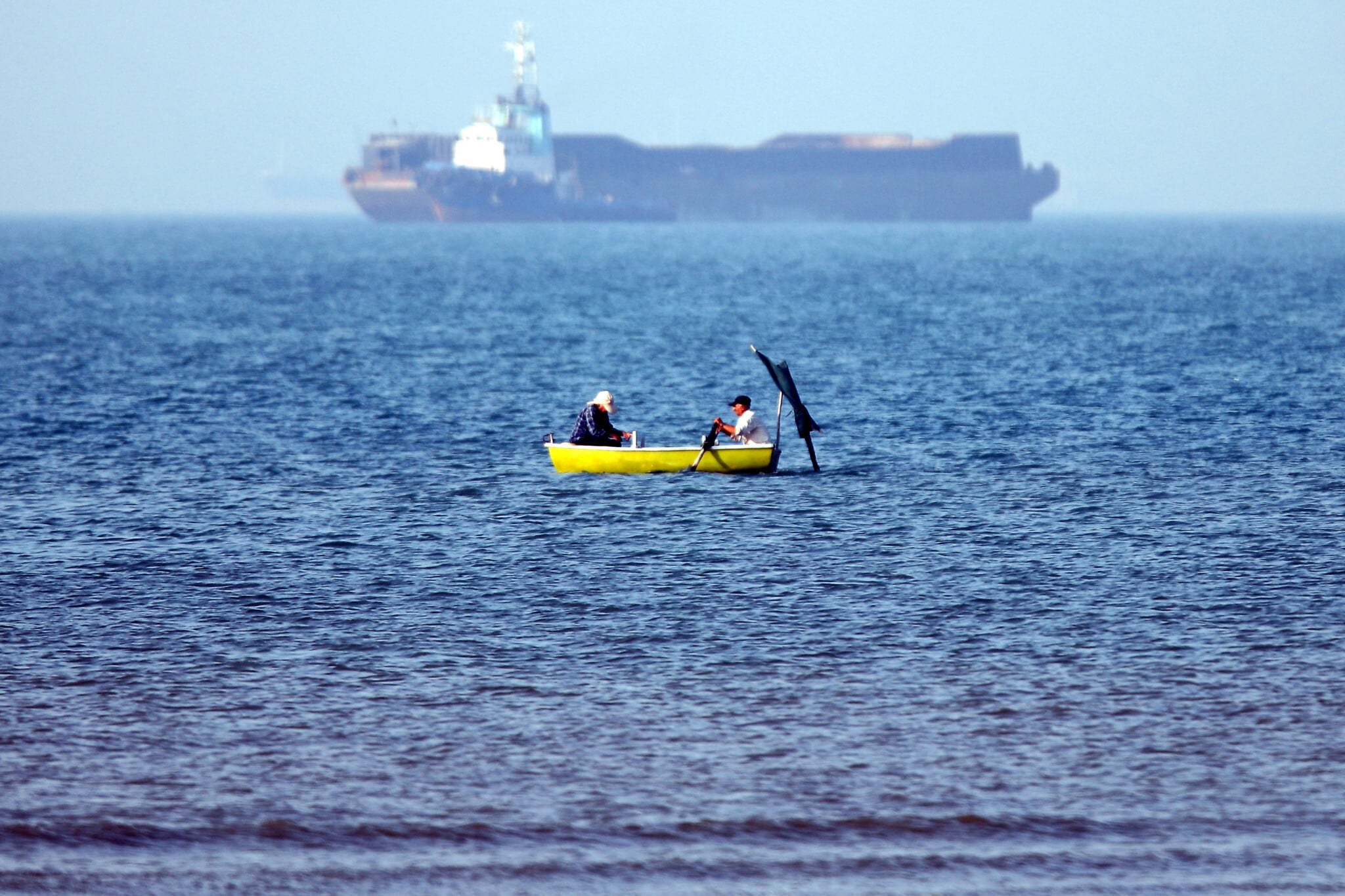
The Strait of Hormuz is no longer just a sea passage. It becomes, in the Iranian strategy, an instrument of rent, pressure and negotiation. With the idea of a Persian Gulf Strait Authority, or PGSA, Tehran no longer only threatens to close Hormuz. It wants to administer it, filter it, slow it down, and make it pay.
This is where the idea of “tolling diplomacy” becomes relevant; it is not just a maritime toll. This is toll diplomacy. Iran is seeking to turn its geographical position into political income. In other words, making the world pay the price for its own capacity to cause harm.
The current strategy is therefore subtle: not to close completely, but to create permanent uncertainty.
The first interpretation window is that of geographical rent.
Iran is economically weak, sanctioned, and isolated but has an exceptional map: its proximity to one of the most strategic straits in the world. Hormuz is a global energy artery, and an important part of the oil and gas transported to Asia transits there. This provides Tehran disproportionate power relative to its real economic situation.
The second window is the administration of the threat.
By creating or evoking an authority like the PGSA, Iran gives a bureaucratic form to its pressure. It does not just say, “We are blocking.” It says, “We are organizing.” This shift is fundamental. Coercion becomes a procedure. The threat becomes a settlement. Blackmail becomes a navigation service.
The third window is that of the negotiation with Washington.
Hormuz becomes a currency of exchange. Iran can use the stability of the strait as an argument in broader discussions: sanctions, nuclear issues, security guarantees, and recognition of its regional role. Tehran is not just selling oil and gas; it is selling de-escalation. It creates a problem, then presents its ability to solve it as a concession.
The fourth window concerns Asia.
Hormuz is not only about the US. It also targets China, India, Japan, and South Korea, all of which are dependent, to varying degrees, on Gulf energy flows. Iran’s message is clear: “You cannot talk about energy security without considering our interests.” This is a way for Iran to remind the major Asian powers that it remains unavoidable, even if weakened.
But this map is dangerous. China can accept a useful Iran against American influence. It will accept much less than an Iran that threatens its supplies on a long-term basis. India, too, wants to maintain a relationship with Tehran, but without becoming dependent on an Iranian window in Hormuz. So Iran must ease its pressure.
The fifth window is international law.
Iran avoids talking about “tolls”. It prefers to talk about “safety fees”, “navigation services”, “maritime coordination”, or “environmental protection”. The vocabulary is essential. A toll gate looks like extortion. A service looks like a normal administration. Tehran aims to occupy a middle ground.
The real issue is not whether Iran can shut down Hormuz. Of course it can disrupt it. The real question is finer: can Iran make uncertainty pay without provoking a massive international reaction?
That is what this “tolling diplomacy” is all about. Iran does not just seek to control a strait. It seeks to control the political price of stability. It transforms freedom of navigation into a negotiating issue, maritime safety into a billable service, and its ability to cause nuisance into a strategic rent.
Hormuz is no longer just a passage. It has become a test of power. Who controls the world’s roads? International law? The major navies? The coastal states? Or are the actors capable of creating enough disorder to then sell a return to order?
This is where the core of Iran’s strategy lies: charging the world for curing the mess that it itself can cause.