Hostages Denied as Hamas Finds Global Cover
When Keith and Aviva Siegel arrived in South Africa this month, they brought with them both their scars and their strength. For a community that had campaigned, prayed and wept for their release, their presence was a moment of profound relief – and a reminder that 50 hostages remain buried in Gaza’s tunnels.
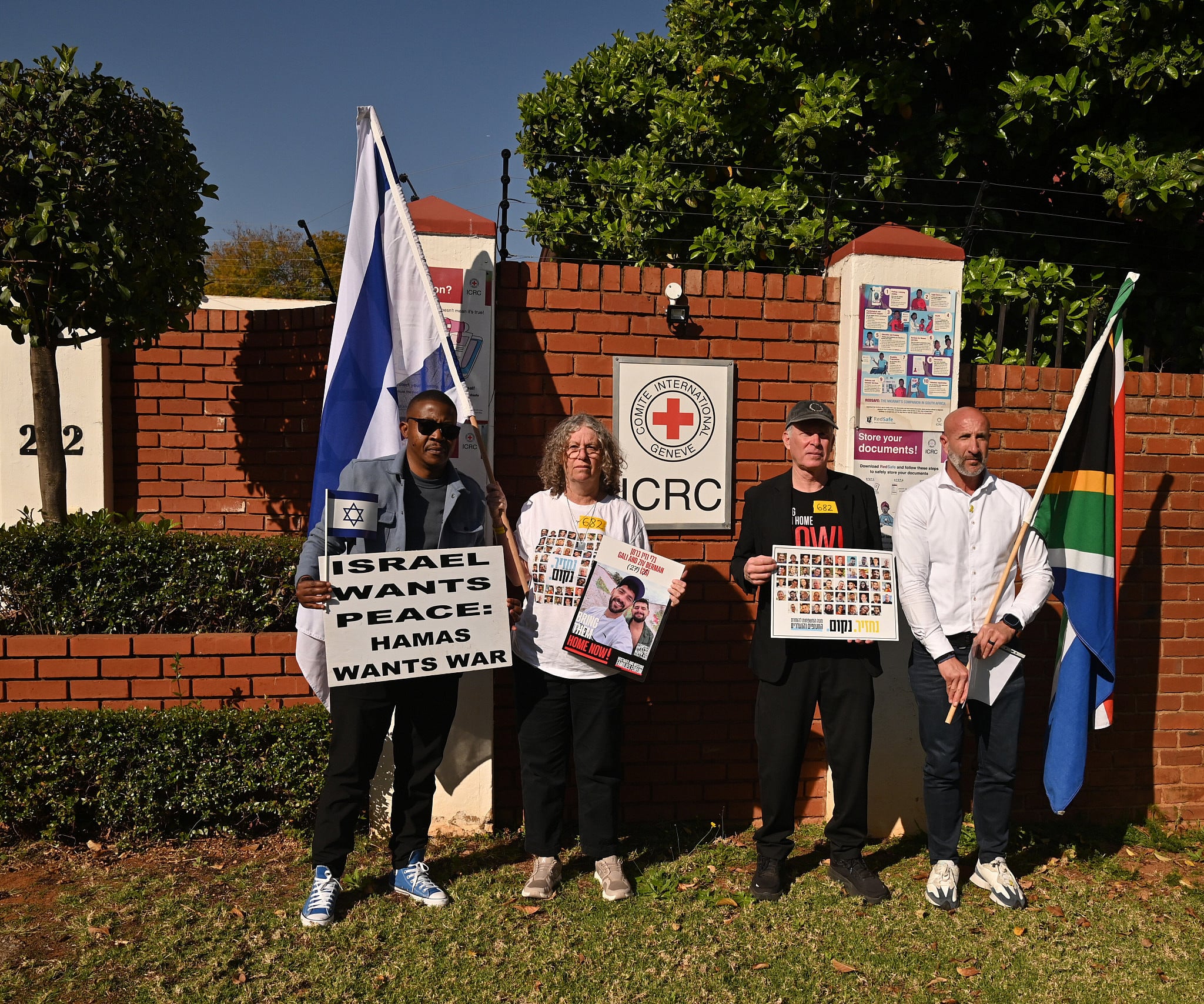
The South African Zionist Federation (SAZF) brought the Siegels here for two reasons: to meet the Jewish community that had stood by them in their darkest hours, and to raise awareness about those still held in captivity. But there was also a third, more urgent goal: to take their voices straight to the gate of the International Committee of the Red Cross (ICRC) in Pretoria, in a public protest demanding access to the hostages.
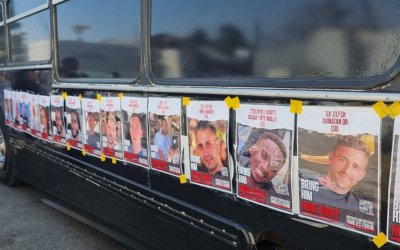
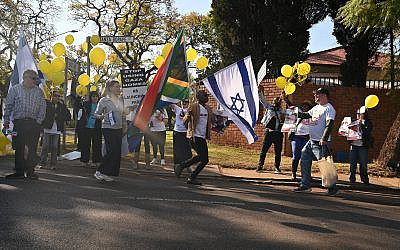
The “Bring the Hostages Home” Solidarity Bus Ride was not symbolic tourism. It was an urgent appeal. A bus filled with activists, faith leaders and political representatives drove with Keith and Aviva to the ICRC offices, where a memorandum was handed over demanding urgent humanitarian intervention.
The Red Cross Meeting
Inside those offices, the Red Cross delegation listened – attentively and respectfully. They heard Aviva’s trembling testimony of 51 days underground, and Keith’s account of 484 days of starvation, beatings, and humiliation. They assured the delegation that the hostages’ plight is central to their mission and promised to continue pressing for access.
They committed to Aviva and Keith that the message and memorandum would be passed directly to the ICRC’s leadership in Geneva, confirming their ultimate goal: to provide humanitarian care to all those in captivity. The ICRC stressed that it is non-political, the identity or origin of the hostages is irrelevant. The obstacle is clear: Hamas has refused to cooperate. As a result, the ICRC has been unable to secure access to the hostages, deliver medical assistance, or even establish contact with their families.
A Mandate Blocked by Terror
The ICRC’s mandate under the Geneva Conventions is explicit: verify the hostages’ conditions, secure access, deliver medical care, restore family contact. In Pretoria, the Red Cross reiterated its readiness to do exactly that.
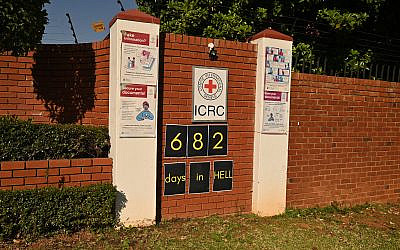
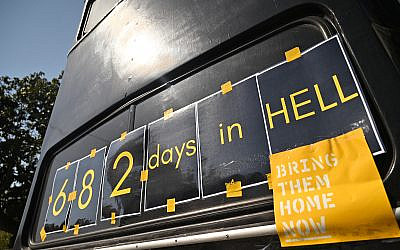
But Hamas has slammed the door. For 684 days, it has denied every visit, every request, every channel. It has turned the suffering of the hostages into a political weapon. The denial is not incidental. It is deliberate. Every day without proof of life increases the torment of families. Every refusal to allow Red Cross access strengthens Hamas’s bargaining power. And Hamas dares to do this because it knows it has cover.
Emboldened by Its Allies
Hamas is emboldened by the political protection it receives abroad. Western governments that flirt with engagement. International forums that legitimize it. And, most shamefully, the South African government, which has openly embraced Hamas as a “liberation movement.”
Every handshake between an ANC minister and a Hamas official is a message to the captors: you are safe from consequence. Every declaration of “solidarity” strengthens Hamas’s conviction that it can defy international law without cost.
This is why the Red Cross cannot fulfill its mandate. It is not because it does not care. It is because Hamas, emboldened by its international friends, has made defiance profitable.
Pretoria’s Protest
That is why the Solidarity Bus Ride mattered. Survivors of captivity stood at the Red Cross office, not to condemn the institution, but to strengthen its hand. To say: press harder, shout louder, refuse to let Hamas dictate the rules.
Alongside the Siegels, South Africans from across political and religious divides raised their voices. Norman Fana Mkhonza, representing the African Christian Democratic Party, said: “Hamas must unconditionally release their hostages for there to be peace.”Theo Doyle of the Patriotic Alliance called on the world to stand with hostage families.Daniel Schay of the Democratic Alliance challenged South Africa’s hypocrisy: “We really should be doing more, speaking to Hamas directly, saying: enough is enough.”And Klaas Mokgomole of Africans for Peace declared: “We need our 50 hostages back home now.”
For a country where the government embraces Hamas, these voices carried moral weight. They proved that beyond the ANC’s rhetoric, ordinary South Africans can still choose humanity.
The ANC’s Responsibility
The ANC cannot continue hiding behind platitudes. It has ties to Hamas. It boasts of solidarity. Fine. Then use that access. Demand the release of innocent men, women and children. Demand that Hamas allow Red Cross visits. Demand that humanitarian law be honored.
To remain silent is not neutrality. It is complicity.
South Africa, of all nations, knows what political imprisonment means. It knows what it means to wait for word from a loved one behind bars. For the ANC to turn its back on the hostages is to betray its own history.
A Cry That Must Echo
For the Siegels, this visit has been bittersweet. Yes, it has been a homecoming for Aviva. Yes, it has given them moments of joy with family and the community. But every embrace carried the ache of absence. Every speech circled back to the same truth: 50 hostages remain. As Aviva said: “Our joy is never complete. Part of us is always in the tunnels with the others who are suffering extreme deprivation.” That sentence should haunt every government that has legitimized Hamas. It should haunt the ANC. It should haunt every international institution that allows this crime to drag on.
Hamas doesn’t care about the hostages. It delights in their pain and suffering, using them as political chips to be traded and tormented. And it dares to continue because it has been emboldened by the governments that defend it.
For 684 days, silence and complicity have enabled this nightmare. The hostages cannot wait another day.