How Edna and Harry Met
A life shaped by survival, sustained by choice
Edna Stefania Brill arrived in Israel in 1951 after surviving the Warsaw Ghetto, fighting as a decorated child soldier in the Polish resistance, and enduring years of war.
She did not arrive looking for love.
She arrived carrying history.
Israel, 1951
But Yakov—also a survivor of the Warsaw Ghetto—had helped found Kibbutz Lohamei HaGeta’ot, the Ghetto Fighters’ Kibbutz, established by uprising survivors. Edna took work there as a nurse and caretaker for young children.
The work was practical. Necessary. Grounded.
She lived among people who had survived what she had survived. People who did not ask questions. People who understood silence.
By 1953, she had been there nearly two years. Far from Warsaw. Far from the ghetto walls. Still carrying everything she had lived through.
She had survived the unthinkable and was learning how to live.
The Meeting
It happened without ceremony.
One afternoon, Yakov approached her with a man she did not know.
“Edna,” he said, “I want you to meet my friend, Zvi Brill.”
That was all.
She turned. She looked at him. Something shifted.
There was no language for it. No analysis. Only recognition.
“Everyone calls me Herschel,” he said.
She introduced herself as Stefania—the name she had lived under for years.
For someone whose life had been shaped by concealment and survival, joy arrived without warning.
Two Survivors
Only later did Edna realize how long they had been moving near each other.
Herschel worked in the orange groves. She cared for the children. They passed in the dining hall. They shared space without intersecting—until that moment.
They began walking together in the evenings. Talking quietly.
Herschel told her about Brody, near Lvov. About surviving in the forests for three years. Eating bark and roots. Never staying in one place long enough to be found.
When the war ended, he passed through displaced persons camps. He was a passenger on the Exodus 1947, turned away from Palestine’s shores, interned on Cyprus, and only later permitted to enter Israel.
Their histories were different. Their losses distinct.
What they shared was survival.
Marriage
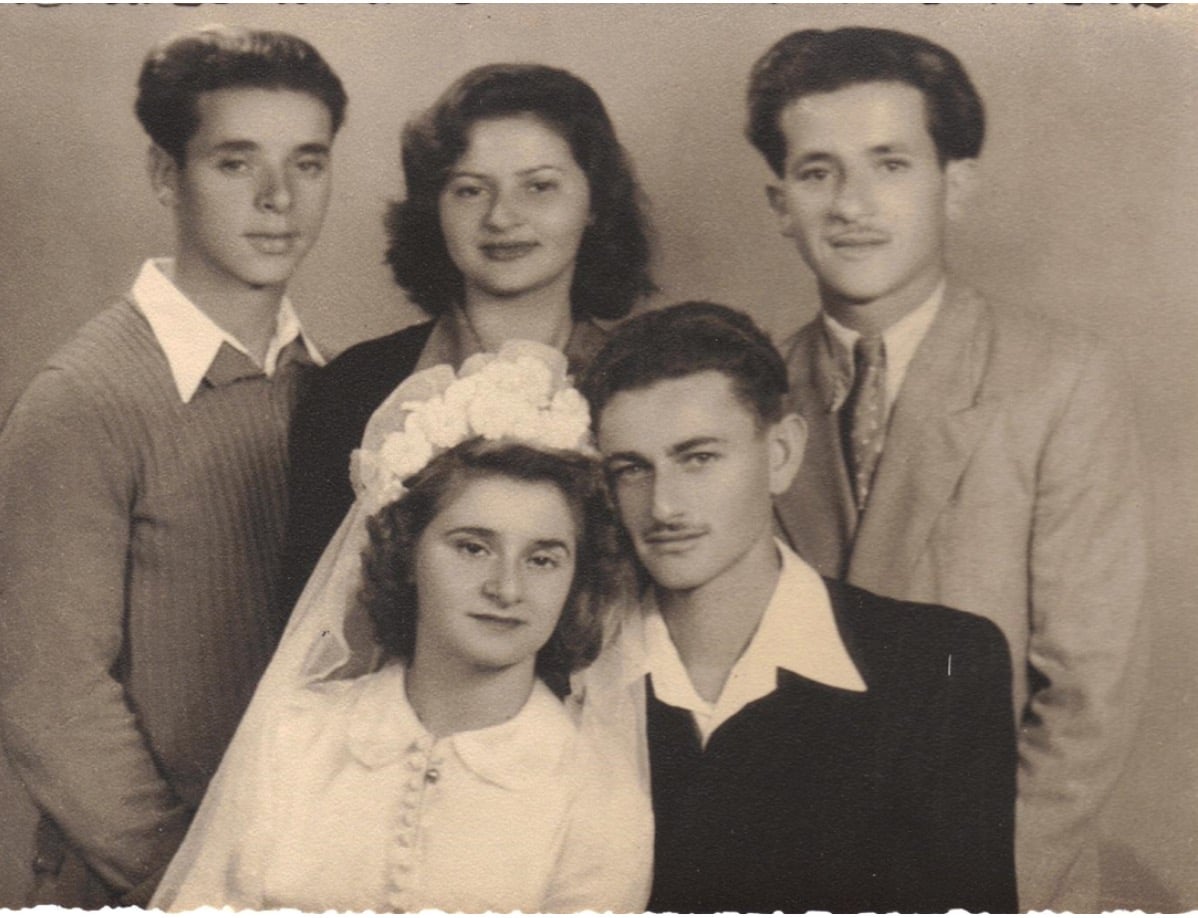
They married on January 30, 1953.
Edna was eighteen years old.
On the marriage certificate, she used the name Stefania Skolkowska. Even then, she was not ready to abandon the Catholic identity that had kept her alive.
History does not loosen its grip easily.
What They Built
Their marriage lasted sixty-six years.
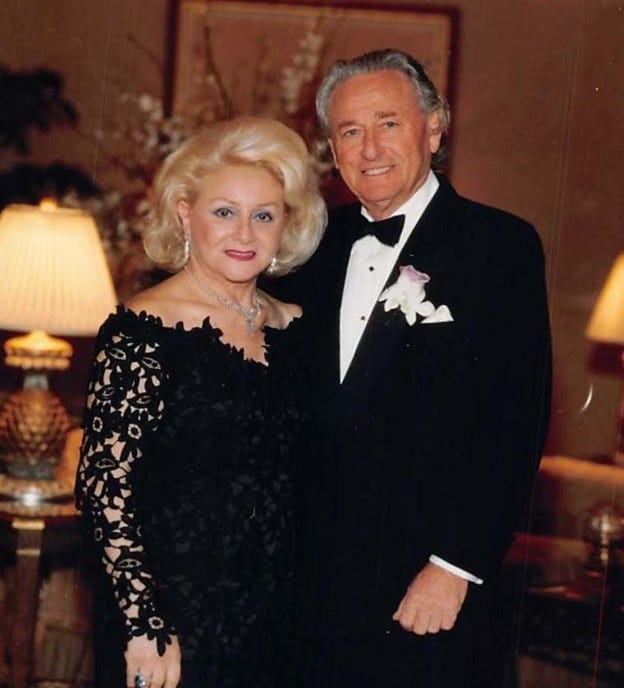
Herschel—later known as Harry in America—was also a Holocaust survivor. Together, they built a family. They emigrated to the United States. They raised children. They created continuity where rupture had once been total.
This was not a love story untouched by history.
It was a life constructed after devastation.
Love, for them, was not an escape from what had been done to them. It was a decision—to build something that would endure.
Love was not an escape from history, but a decision to live beyond it.
From the memoir Little Edna’s War by Janet Bond Brill, PhD, releasing January 27, 2026.