How great are the tents of Jacob: Preventing abuse
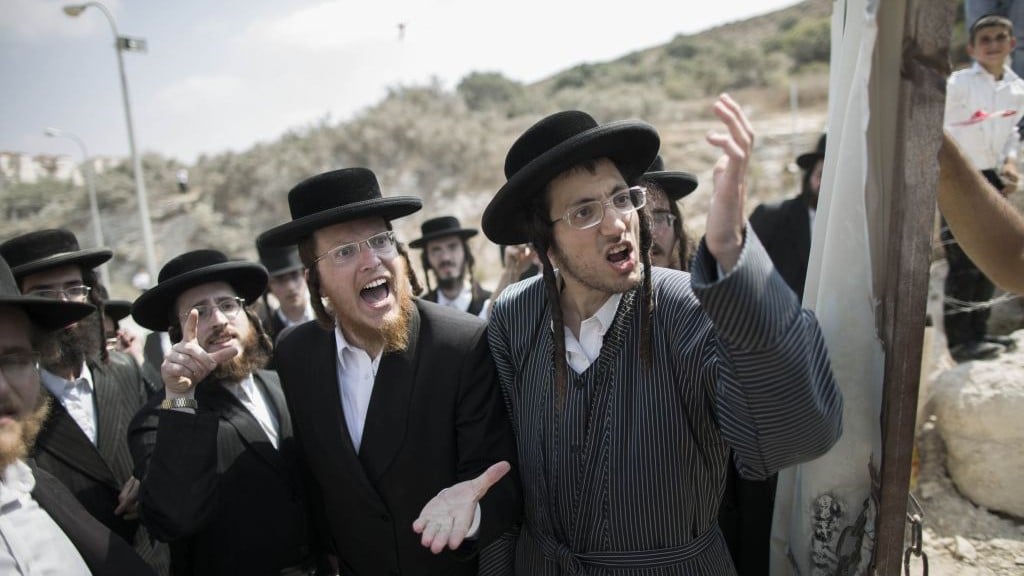
Last summer, Magen’s group facilitator showed up to teach a personal safety workshop for mothers in Modiin Ilit, an Ultra-Orthodox city in central Israel. This should have been a routine event; as a sexual abuse prevention and advocacy organization in the Ultra-Orthodox community, we run this flagship educational program regularly. But this time, Peleg extremists (a small faction on the fringes of Haredi society) were waiting for her outside.
They weren’t waiting quietly.
* * *
Let’s back up a bit.
Twelve years ago when I was a volunteer at Magen, then a small communal organization in Bet Shemesh, I organized my first parents workshop in my own living room. Back then, talking about sexual abuse was extremely taboo, so I didn’t advertise it and only invited my closest friends.
It was the first of many. Those Magen workshops were unique: we kept them small and intimate so parents could feel comfortable asking questions and discussing personal concerns. We wanted parents to leave feeling empowered with information, not terrified or helpless.
We quickly discovered another benefit to small, low-key groups; there was almost zero of the pushback we had expected from the community at large, and especially from the Haredi community where talking about sexual abuse was entirely off-limits. No one objected to or protested these events because by the time people had discovered the session was taking place, we had already done what we came to do and departed.
Years passed, I became an employee and eventually the director of Magen, and we expanded to running workshops throughout the country. We were increasingly asked to do events in very insular communities. Mothers (and sometimes fathers) showed up in living rooms in Haredi neighborhoods and cities — Ramot in Jerusalem, Beitar, Yavniel, Kirya Haredis (Beit Shemesh), and more — to learn about protecting their children and building safer communities.
The shifts in how members of these communities view and handle abuse have been profound; I’m proud to have witnessed the change. Moreover, as those shifts took place, parents became more willing to host and attend workshops openly. The events are still small and personal — by design — but the veil of secrecy has largely been removed.
Which brings me to Modiin Illit.
The extremists stood outside the workshop host’s apartment, screaming and yelling.
But mothers inside, present to learn how to better protect their children, were undeterred. For three-and-a-half hours (!), they talked about safety, privacy, and boundaries, while angry men outside yelled in Hebrew: “Child protection is Balaam’s counsel.” (This is a reference to the widely held understanding of the biblical account of Balaam being a wicked prophet in the employ of the evil king Balak who sought to destroy the Jewish people in the desert. Anything labeled as “Balaam’s counsel” is being proclaimed as deviant and an intrinsic threat.)
I found the contrast striking. These extremist men were furious that women would gather to talk about child protection, comparing it to evil, deviant agendas.
That hypocrisy smacks of the oft-mentioned concern that some parents raise at workshops — namely, they worry that talking to their children about protection from abuse means talking about sex in a non-age appropriate way.
Absolutely not. In fact, this kind of conversation is exactly the opposite.
Talking with children about personal safety means talking about healthy boundaries. It is about teaching children to respect their own privacy and autonomy and the privacy and autonomy of others.
It is how to teach children about their healthy, normal bodies, empowering them to treat their own and others’ with holiness, modesty, and respect.
It is learning to recognize red flags, when boundaries are crossed, and how to address boundary violations quickly and productively.
* * *
This week, it occurred to me that there is a second aspect to Balaam’s story that these extremists were ignoring.
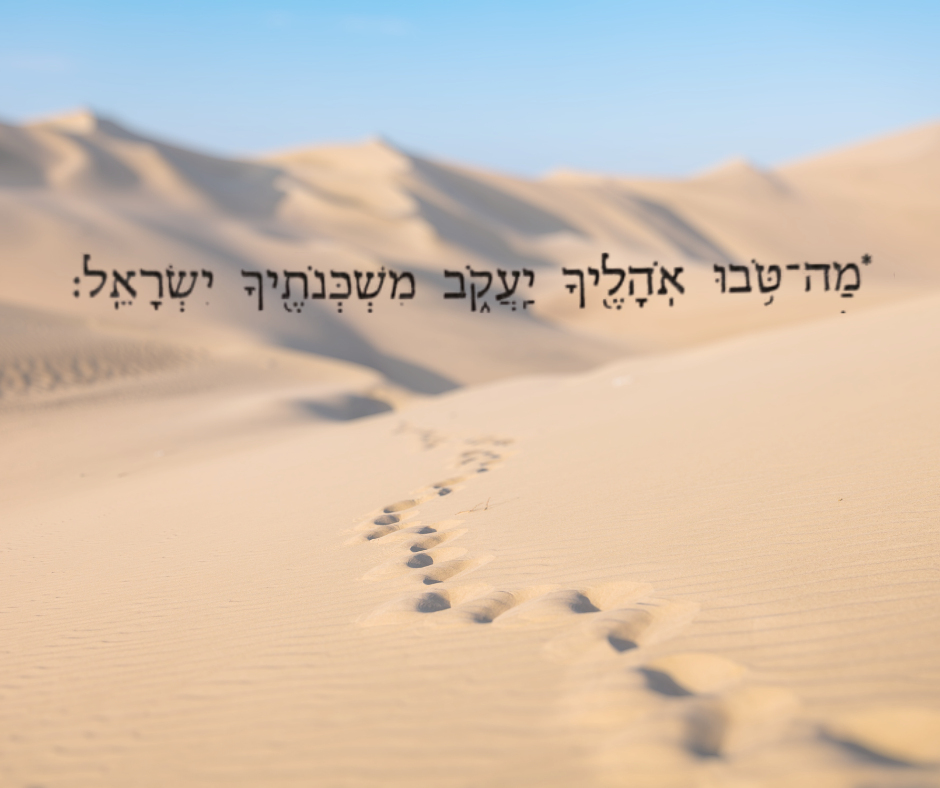
After Balaam repeatedly fails to curse the Jewish nation, he blesses them: “How great are your tents Jacob, and your dwelling places, Israel.”
Jewish tradition, as presented by biblical commentators, teaches that Balaam noticed that the Jewish people’s tents did not face each other in the manner that was standard in that time. Rather, they were placed and spaced in such a way that angled the tent openings to allow each family its privacy.
When the sages portray Balaam as an incredibly evil man, they also acknowledge that he had profound prophetic insights.
Perhaps the protestors were onto something when they invoked Balaam’s counsel… they just confused the message. Perhaps protection of the children was exactly what Balaam saw when he looked at the Jewish nation’s tents and uttered his prophetic words.
Perhaps his description of the great tents of the Jewish people amounts to the call to action that activists for sexual abuse prevention have been bringing to the Jewish community.
Return to our values of privacy, boundaries, and mutual respect, for healthier and blessed communities.