
Strategic Intelligence Consultant & Insights Advisor
How Institutional Bias Is Undermining the BBC’s Credibility
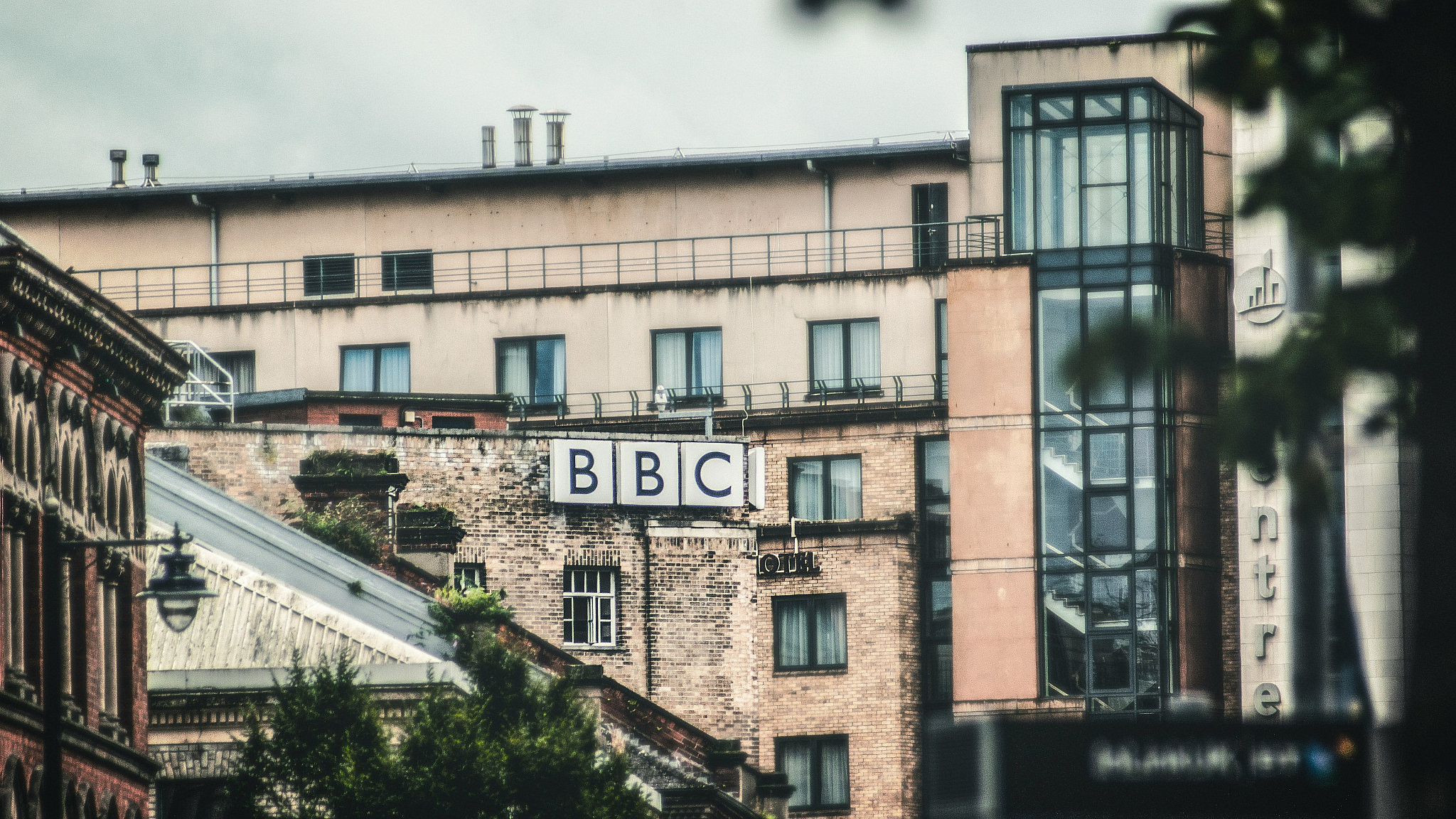
Photo by K. Mitch Hodge on Unsplash
In November 2025, both BBC Director-General Tim Davie and News Director Deborah Turness resigned after the public revelation that the broadcaster had manipulated excerpts of former U.S. President Donald Trump’s speech in a Panorama documentary. That single incident brought to light profound concerns about the BBC’s impartiality. But it also raised a question: why has the broadcaster faced so little analogous accountability for much broader reporting failures during the war in Gaza?
The “Trump–BBC” Episode
In October 2024, the BBC aired a Panorama programme which stitched together fragments of Trump’s 6 January 2021 speech in such a way that it appeared he urged followers to “fight violently” — while omitting his call for peaceful protest.
The ensuing uproar led Trump to accuse the BBC of “deceiving the public” and threaten a $1 billion lawsuit. Within days the broadcaster’s top leadership resigned, a rare act of accountability in British journalism.
Flaws in the BBC’s Gaza Coverage
Following the Hamas attack of 7 October 2023 and throughout the Gaza conflict, the BBC faced repeated allegations of biased coverage against Israel. Some of them were as follow:
• The BBC initially refused to label Hamas a “terrorist organisation,” instead using the term “fighters” in the name of neutrality, a position widely criticised as whitewashing terrorism.
• On 17 October 2023, the BBC reported that hundreds were killed in an Israeli strike on the Al-Ahli hospital, citing Gaza authorities controlled by Hamas. Presenters assumed Israeli culpability live on air. Subsequent investigations revealed the explosion was caused by a rocket launched by the Palestinian Islamic Jihad. The BBC acknowledged it had rushed to assign blame.
• In Nov–Dec 2023 the BBC relayed unverified claims, such as Israeli soldiers executing 137 civilians, later retracted following an internal review acknowledging inadequate fact-checking.
• In February 2024 the BBC aired the documentary Gaza: How to Survive a War Zone, narrated by a 13-year-old from Gaza who was later revealed to be the son of a senior Hamas official. The programme was withdrawn, and the regulator Ofcom found it had “seriously misled the audience”.
Comparing the Two Cases
The Trump incident involved a discrete act of manipulation, serious, but limited in scope. In contrast, the Gaza-related errors reveal a recurring pattern: structural bias, ideological skew, and systemic failure of editorial controls.
Moreover, the BBC’s response differed sharply: the Trump case triggered immediate leadership accountability, while the Gaza-related failures led to partial, delayed corrections, lacking in meaningful cultural reform or leadership change.
The Trust Damage
In the Trump case, the reputational impact was mainly confined to politically engaged audiences. By contrast, the Gaza coverage crisis has damaged the BBC’s broader credibility — especially among British Jews, Israel supporters worldwide, and media watchdogs demanding strict neutrality from a public broadcaster.
Structural Bias?
In November 2025 a leaked internal memo from ethics adviser Michael Prescott described multiple impartiality failures in BBC Arabic: downplaying Israeli victims, uncritically broadcasting allegations against Israel, and featuring commentators with extreme antisemitic views. The allegations suggested deeply-rooted bias within the corporation.
Paths Forward
Scenario A: Institutional reform. The BBC acknowledges the problem and introduces independent oversight, stricter ethics safeguards, and full transparency in corrections.
Scenario B: Business as usual. A new director inherits the status quo; the cycle of bias remains unbroken, and large segments of the audience never return.
Scenario C: Radical reset. The BBC embarks on cultural renewal: comprehensive staff retraining, rigorous source vetting (especially for conflict zones), and leadership renewal emphasising plurality and objectivity.
The dual resignations at the top of the BBC sent a strong signal of accountability, yet they alone are insufficient. A historic public broadcaster cannot restore credibility through isolated apologies or executive sacrifices. What is demanded is a deep-seated revision of values and practices. The BBC must demonstrate through action that it remains committed to the principle of impartiality, the foundation upon which it built its global reputation. For the BBC to reclaim its place as “the world’s most trusted news source”, it must show it is both willing and able to change, and that change must happen now.
Related Topics