
Contributor to Entrepreneur.com, TechRadar and TNW.
How Israel is Delivering a Sustainable Approach to its Energy-Intensive AI
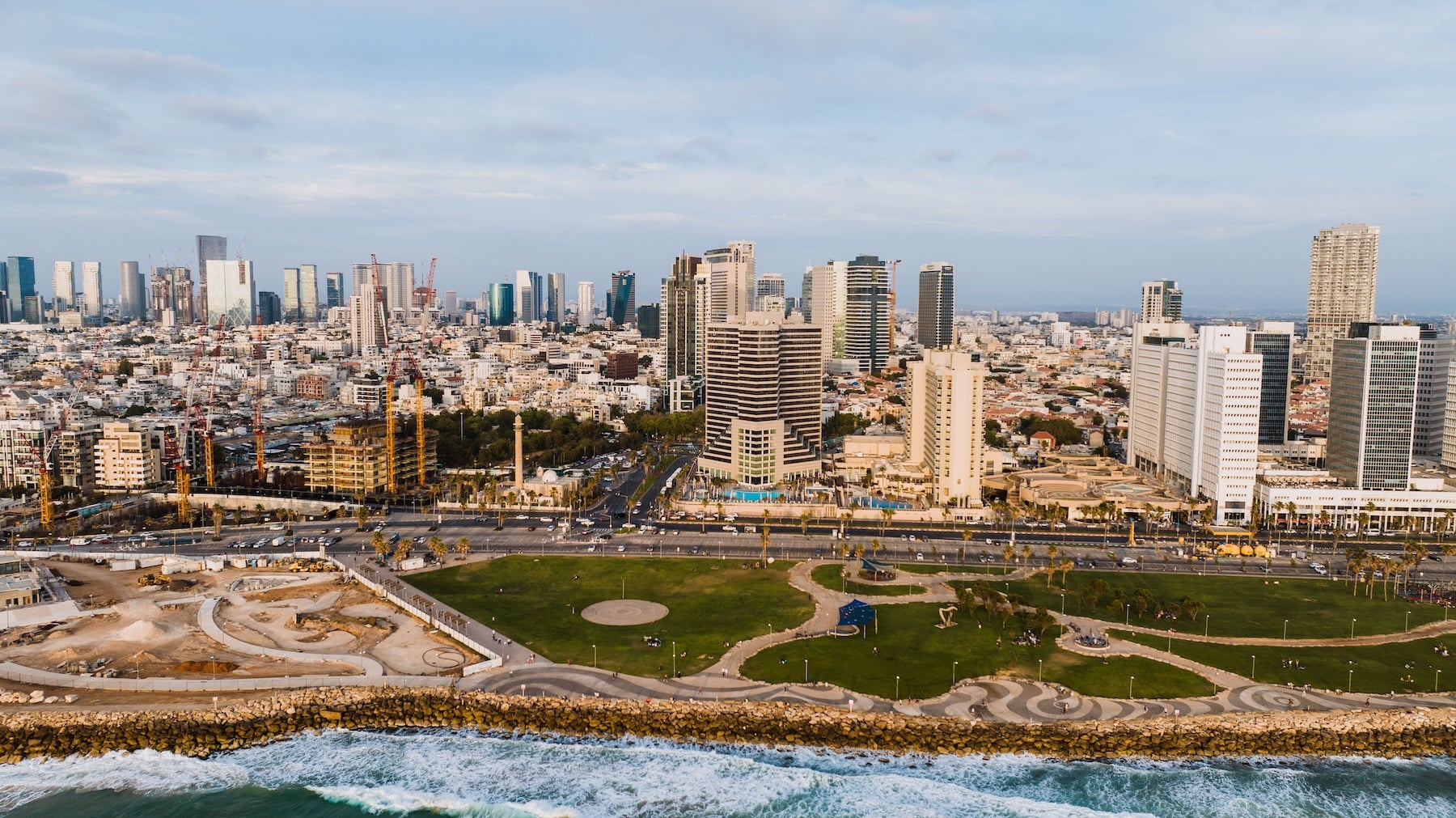
(Pexels)
Artificial intelligence is shaping up to be the innovation of the century, and Israel’s strength in innovation and high-tech pedigree has put the nation at the heart of the growing industry’s buildout.
As global tech leaders struggle to manage the intense power requirements needed to drive AI infrastructure initiatives, Israel is seeking to become one of the world’s only nations to prioritize sustainability in terms of managing power grids during its buildout.
The Electricity Authority is attempting to limit the maximum capacity of large data centers to 200 gigawatts in an unprecedented move to ensure that Israelis can coexist with the rollout of modern artificial intelligence solutions.
Given that estimates suggest that data centers could account for around 20 percent of Israel’s total electricity consumption by 2030, the move could ultimately be a critical means of ensuring that the Startup Nation continues to thrive in a multitude of industries while still caring for its AI buildout.
While some commentators have emphasized the importance of removing limits to AI infrastructure in order to scale up the technology’s adoption faster, issues related to power have long been a global concern when it comes to artificial intelligence.
In the United States, Goldman Sachs has forecast that data center power demand will more than double to 66 GW next year, rising from its level of 31 GW in 2025 due to the scale of ongoing AI infrastructure initiatives.
Delivering Intelligent Infrastructure
Fortunately, as a global innovation hub, Israel is uniquely positioned to solve its own energy challenges to deliver globally impactful AI infrastructure without the pain of handling a significant drain on resources.
Israel is also well-positioned to take advantage of its existing high-tech infrastructure to outmanoeuvre international rivals when it comes to building out its artificial intelligence capabilities.
One example of Israel’s technological adaptability is the network of tunnels 50 feet below Tel Aviv, which has become ideal for housing the fiber-optic cables that are capable of allowing exceptionally high volumes of data to travel through the city while requiring substantially less physical infrastructure.
The tunnels, which are used by telecommunications giant Bezeq, have already helped to support a significant rise in AI activity. The company has claimed that artificial intelligence activity on its network has tripled over the past three months alone, making its infrastructure more important than ever as data becomes increasingly valuable to adopters.
We’re also seeing more companies rely on AI infrastructure for operational efficiency, and the necessity of unfettered access to artificial intelligence solutions is actively helping to support buildout initiatives, providing construction firms with access to cleaner and centralized data solutions that can support data center projects at scale.
Israeli AI infrastructure is already forming a global blueprint. In October, Caesarea-based artificial intelligence infrastructure firm NeuReality was acquired by computing giant Unconventional AI as the company pursues a 1,000-fold uptick in efficiency.
Winning Global Admirers
Israel’s bid to become a key player in the AI buildout is also supported by international admirers, including the world’s largest company, Nvidia.
The Startup Nation’s infrastructure appeal has led to Nvidia CEO Jensen Huang calling Israel the company’s ‘second home,’ with the company spearheading a major campus investment project to establish an AI-literate nation.
The global semiconductor leader opted to build a new mega-campus in Kiryat Tivon after purchasing local land for approximately NIS 90 million (approximately $28 million). It will make the $5 billion-valued company the first tech firm to build a major campus on the land it owns, with other companies with a presence domestically, like Intel, Microsoft, Google, and Meta leasing their land.
US interest in Israeli AI infrastructure has also extended to some of its brightest startups. In recent weeks, cloud infrastructure and AI agents startup Modelyo announced that it had raised approximately $17 million in a funding round driven primarily by US investors.
The move has been undertaken in a bid to accelerate the development of the firm’s Sovereign Confidential Cloud platform and grow its presence overseas.
These key movements highlight the global appeal of Israeli AI infrastructure and domestic companies that have strong potential to spearhead artificial initiatives long into the future.
Delivering AI Resilience
While some have expressed concern about Israel’s more measured approach in the AI buildout, and the decision to control the power requirements of the nation’s upcoming data center projects, there’s plenty of evidence that Israeli artificial intelligence is thriving in an increasingly challenging infrastructural landscape.
With an emphasis on innovation that’s winning admirers among some of the world’s largest companies, Israel is still punching well above its weight when it comes to cutting-edge high-tech buildouts, and AI appears to be no different.
Looking ahead, it’s clear that Tel Aviv has everything needed to continue to be a driving force in global AI, and investment activity suggests that the world is already aware of the value the city’s bringing to the table.
Related Topics