Author, educator, Tour-Guide, artist, Zionist
How LagBaOmer transformed from an obscure holiday to a major Zionist celebration
Tonight Jews in Israel celebrate Lag BaOmer, the 33rd day of the fifty-day cycle of “counting of the Omer” between Passover and Shavuot. The big question is how this, until relatively recently, obscure minor holiday became such a major celebration. One answer is the advent of the modern Zionist movement. According to Rabbi Dr. Benny Lau,
The Zionist movement emphasized the historical connection between the Bar Kochba Revolt and the modern struggle for Jewish independence. It became customary to sing songs on Lag BaOmer that praised Bar Kochba as a bold independent fighter.… The Israeli national dream was kindled by the embers of the Bar Kochba Revolt.
Following the aftermath of the Bar Kochba rebellion, which followed hard on two other epic, but ultimately futile, attempts by the Jews to destroy the Romans by force of arms (the Great Revolt, 66-73CE and the Diaspora Revolt, 115-117CE), the Rabbis came to the realization that the survival of Judaism would depend on the ability to study and pass down the traditions as opposed to physical resistance. The Rabbis felt that if the Jews continued to engage in these disastrous wars with their resulting heavy losses, the outcome might be the decimation of the Jews and ultimately Judaism itself. To this end they downplayed the revolt, “demilitarized” the Talmud and emphasized that Messianic redemption would be achieved by merit of Torah study and not by military might. This remained the predominant Jewish philosophy until recent times. All this changed with the beginning of the modern Zionist movement. As Yael Zerubavel noted,
The Zionist search for roots in the ancient national past clearly led to the enhancement of Bar Kochba’s positive image…Bar Kochba was a “giant” figure who represented the greatness of the ancient Jewish past.
In contrast to the tendency of the rabbinic tradition to gloss over the revolt, early Zionists eagerly seized on the story as proof that Jews, when faced with persecution, were capable of fighting for their dignity and self-respect. Max Nordau (1849–1923), an early popular Zionist leader, wrote in an essay about “muscle-Jews” that: “Bar Kochba was the last embodiment in world history of a bellicose, militant Jewry.” Many Zionist sports clubs that sprang up in the interwar years in Europe were named Bar Kochba, in honour of the legendary hero who symbolized the “new Jew.” They saw him as the antithesis of the weak Diaspora Jew, constantly fleeing persecution, as portrayed scornfully by Chaim Nachman Bialik (1873–1934) in his epic poem, “In the City of Slaughter” (“Like scampering mice they fled, they hid like fleas and died the death of dogs.”) The story of the Bar Kochba Revolt came to represent the hope that as the Jews returned to their homeland, they would be able to regain their honour by reclaiming their land, their language, and their ability to defend themselves.
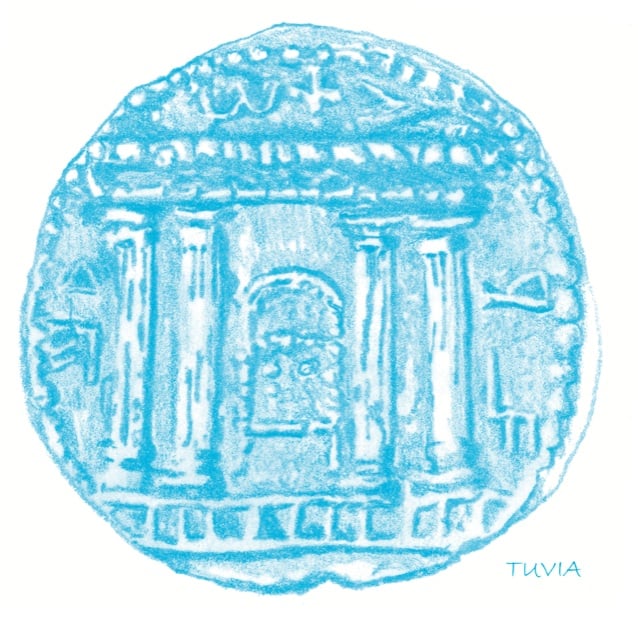
When Yigal Yadin, a representative of the new Jewish State and a general in the new Jewish army, symbolically uncovered the words of the last Jewish general in Israel, it was almost as if Bar Kochba’s letters had been waiting to be reclaimed by his spiritual descendants. Yadin wrote:
It was centuries of persecution of the Jews and their yearning for national rehabilitation that turned Bar Kochba into a people’s hero, an elusive figure who they clung to because he had demonstrated, and was the last to demonstrate, that Jews could fight to win Jewish and political independence.
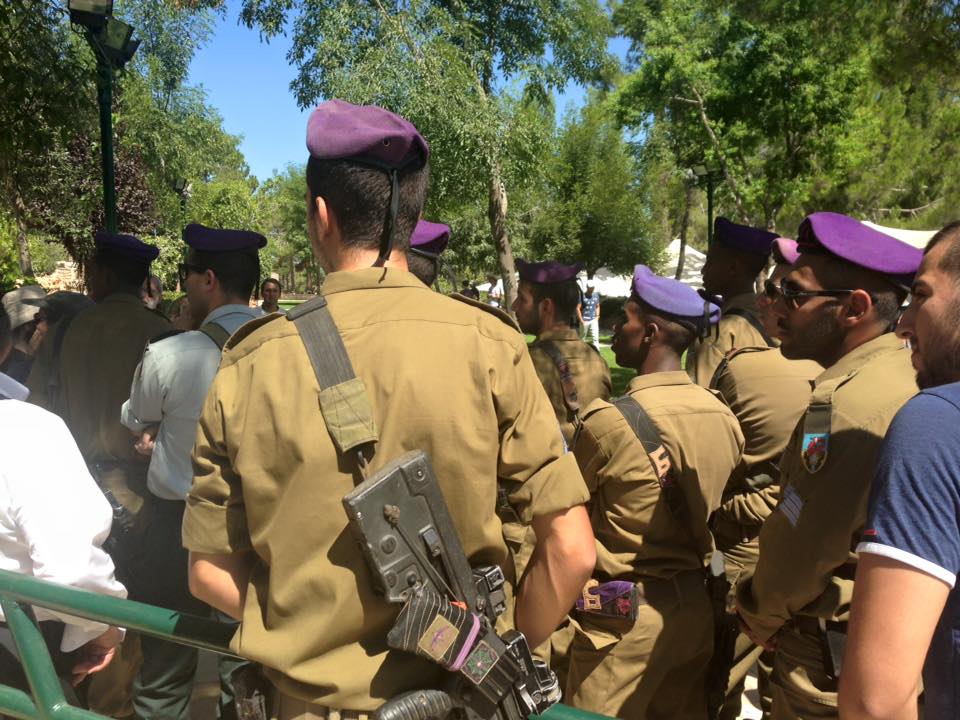
Thus Lag BaOmer transformed from an obscure minor holiday to one saturated in meaning for the modern Zionist enterprise known as the state of Israel. It was no longer about students of Rabbi Akiva who stopped dying in a mysterious plague on this day, but rather about the students of Rabbi Akiva, the spiritual figurehead of the Bar Kochba Revolt, who fought, as do the selfless brave men and women of the IDF, for what they believed in; the freedom to be free in our own land.
—
Dr. Tuvia Book is the author of “For the Sake of Zion, A Curriculum of Israel Education” (Koren, 2017). His forthcoming book, Jewish Journeys, on the Second Temple Period, will be published by Koren this year. He also is a Ministry of Tourism licensed Tour Guide, Jewish educator and a Judaica artist. www.tuviabook.com
Related Topics
Related Posts