
How Melio Showed Israeli High-Tech Is the ‘Iron Dome’ of the Israeli Economy
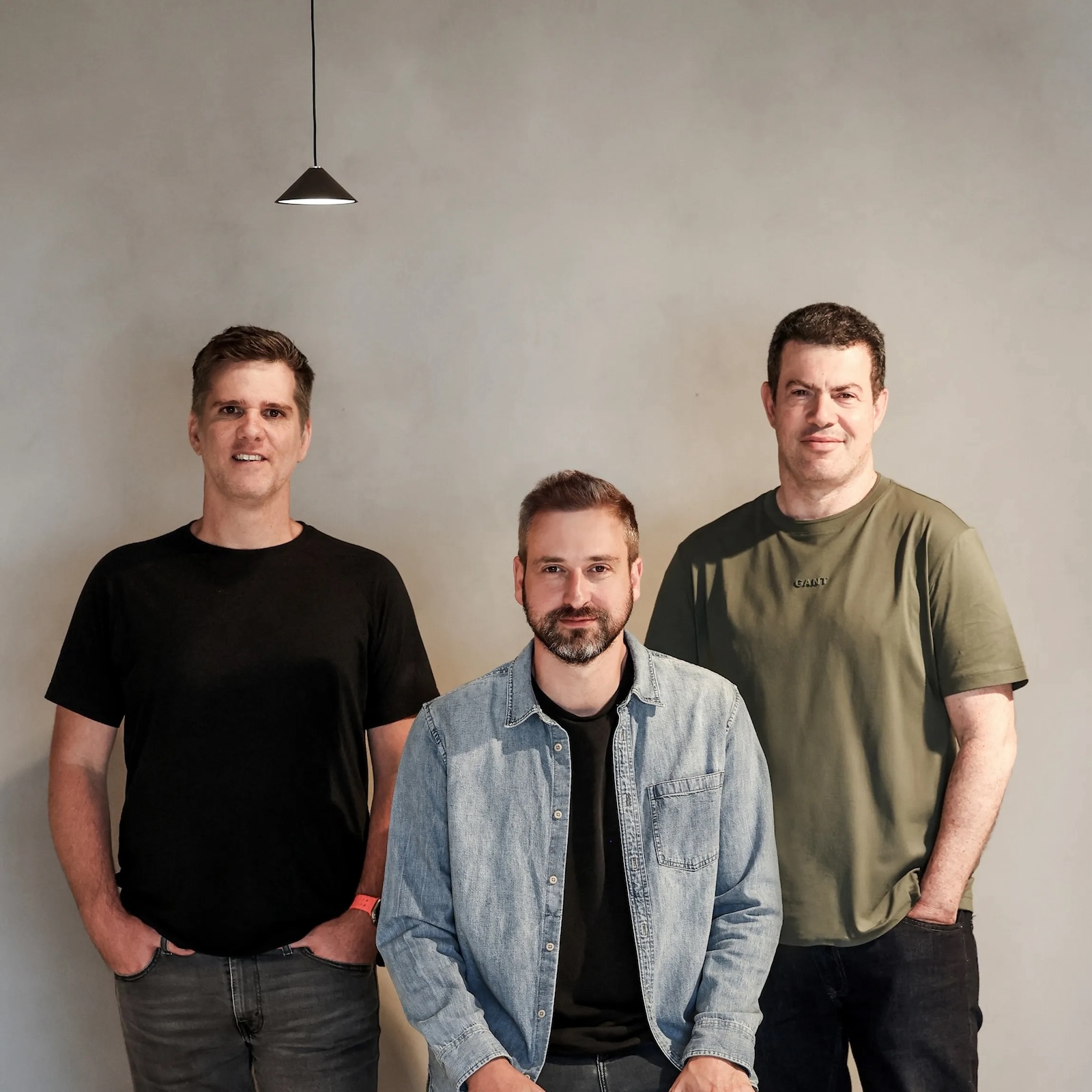
Just days ago, when red skies and smoke trails still scorched public consciousness, we received a sharp reminder of an entirely different power: the Israeli fintech company Melio was sold to software giant Xero for $2.5 billion – a deal that could rise to $3 billion if future targets are met. On television, Iron Dome interception clips were looping, and the world watched as Israel absorbed 550 ballistic missiles in twelve days of fighting against Iran, and then, almost in the same breath, came the headline about the exit.
This is not just another entry in the long line of successes; it is a public vote of confidence from the global high-tech industry in the super brand called “Israeli High-Tech.” Investors repeatedly say: the security risk is priced in, and innovation is worth the premium. They are not just buying code; they are buying a management culture that succeeds in leading and developing under pressures few in the world experience.
Melio, founded in 2018, identified a simple need: to enable small businesses in the US to pay suppliers by credit card even if the other side does not accept cards. It reduced bureaucracy, saved time, and became a payment engine for tens of thousands of stores, restaurants, and accounting firms. Xero, for its part, receives an ideal trajectory to the American market, and along the way, hundreds of Israeli employees have proven they can function excellently, even when a siren goes off in the middle of a Zoom call.
This contrast between missiles launched towards Israel and breakthrough innovative thinking despite the conditions tells a broader story. The local tech industry is a byproduct of an impossible reality: living from crisis to crisis while still investing in technologies that save time, money, and lives overseas. The same week Iran flexed its military muscles, Israel flexed its brainpower — a stark reminder of the chasm between an oil-powered economy and one powered by human capital.
Even the recent provocation in France could not halt the celebration. When authorities at the Paris Air Show put up black walls around the Israeli defense industries’ booths, claiming they were displaying “offensive weapons”, the Middle Eastern skies became the most effective billboard: Israel’s multi-layered defense systems provided a live “air salon” and proved to potential buyers that the technology not only excels in presentations – it saves lives in real-time.
The higher the missiles were intercepted, the stronger the global prime time of Israeli technology became. Investors who see the security ROI with their own eyes, and its civilian relevance, know that human capital that succeeds in developing during wartime will continue to provide returns in times of peace. Therefore, even before we check who received how many options and when bonuses will be redeemed, we should salute the Israeli DNA that never stops inventing solutions despite, and perhaps because of, reality. Melio is a reminder that Israeli creativity is not a statistical anomaly but a consistent production line: an economic interception system that converts uncertainty to growth trajectories.
The lesson is clear: if investors from Auckland to New York are willing to bet on a local company at a moment of extreme security tension, here in Israel we must continue to “bet” on technological and scientific education, on research and development infrastructure, and smart and agile regulation. The war headlines will fade; the reputation built now is our true shield for the coming years.
Part of this victory lies in Israel’s relentless investment in research and development. Israel’s national expenditure percentage on research and development is around 5.6% of GDP. It is the highest in the world, with the business sector funding over three-quarters of it. More than 10% of the workforce is defined as “innovation workers”, and universities and IDF units create a talent pipeline that feeds both startups and development centers of Israeli and international corporate giants. When investors examine Melio, they see not just one company, but an ecosystem capable of adapting, improving, and reinventing itself in every crisis.
While a ceasefire has been reached between Israel and Iran, we continue to hope for the swift return of the hostages and a lasting end to the fighting in Gaza. As entrepreneurs, workers, and high-tech company leaders refocus on business growth and success, we can expect even greater momentum for Israel’s tech sector and broader economy.