
From Kibbutz to the global stage
How the Failed Doha Strike Became a Ceasefire Process
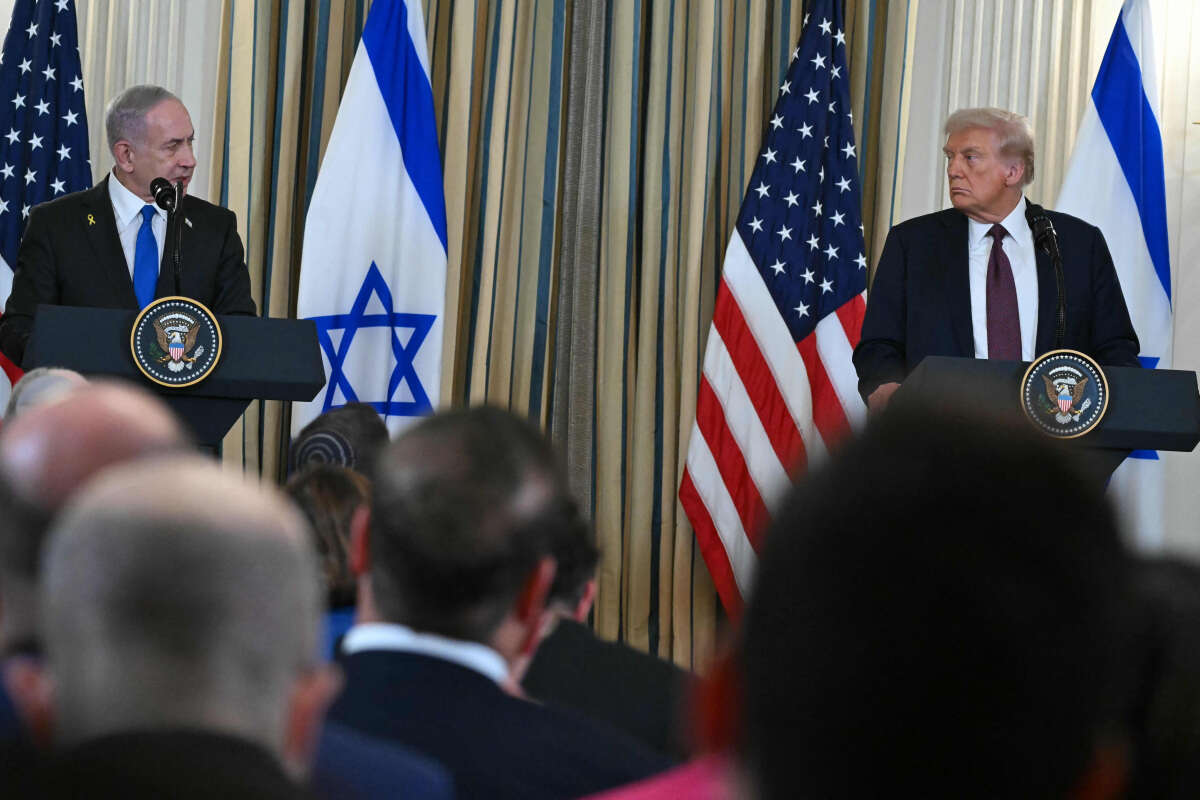
Image: US President Donald Trump and Israeli Prime Minister Benjamin Netanyahu at the White House. (Photo: AFP)
How the Failed Doha Strike Became a Ceasefire Process
In the context of the Trump peace initiative, the discussions on a possible ceasefire in Gaza — which I first predicted in my Times of Israel blog post on September 12, only three days after Israel’s failed strike in Doha — are now beginning to take shape. What was at the time a controversial scenario has since gained momentum, most visibly in this week’s high-profile White House press conference with President Donald Trump and Prime Minister Benjamin Netanyahu.
While many commentators in Israel and abroad remain skeptical — pointing to Hamas’ silence so far as a critical obstacle — I continue to believe that the chances of success are greater than the risks of failure.
At this very moment, senior intelligence officials from Turkey, Egypt, and Qatar are engaged in intensive discussions with the survivors of Israel’s failed operation in Doha. To understand what may come next, we must distinguish between two key players: Hamas abroad and Hamas in Gaza.
Hamas abroad has no choice but to say “yes” to a deal. Any other response would cut off its financial channels, sever its diplomatic ties with the Arab world, and put its leaders — and their families — at personal risk. Hamas in Gaza, on the other hand, could theoretically survive for a limited period in its tunnels. But its leadership must recognize that refusal would amount to collective suicide. Such a decision would likely end the very existence of the Palestinian entity in Gaza, following an Israeli military campaign that would enjoy legitimacy from both the West and much of the Arab world, and would destroy what little remains of the Strip.
History shows that even jihadist movements can act rationally after military defeats and when their civilian base suffers intolerably. The key factor that could push Hamas in Gaza toward acceptance — under pressure from Hamas abroad and at least eight Arab and Islamic states (notably Qatar and Turkey) — is the shift in global public opinion regarding former pariahs.
Only fourteen years after being branded a terrorist leader, Ahmed al-Sharaa — once known as Abu Mohammed al-Jolani — returned to the world stage as Syria’s recognized president, even addressing the UN General Assembly in 2025. Yasser Arafat, expelled from Lebanon in 1982 as a “terrorist,” came back to the West Bank in 1993 as President of the Palestinian Authority — and even received the Nobel Peace Prize. Fidel Castro in Cuba and Nelson Mandela in South Africa provide other instructive examples.
What may seem improbable today could soon be viewed as inevitable. The failed strike in Doha may be remembered not only as a turning point in Israel’s military campaign, but also as the unlikely trigger for ending the war in Gaza — and perhaps the first step toward a new Middle East era.
Image: US President Donald Trump and Israeli Prime Minister Benjamin Netanyahu at the White House. (Photo: AFP)
Related Topics
Related Posts