How to Engage with the People of Iran?
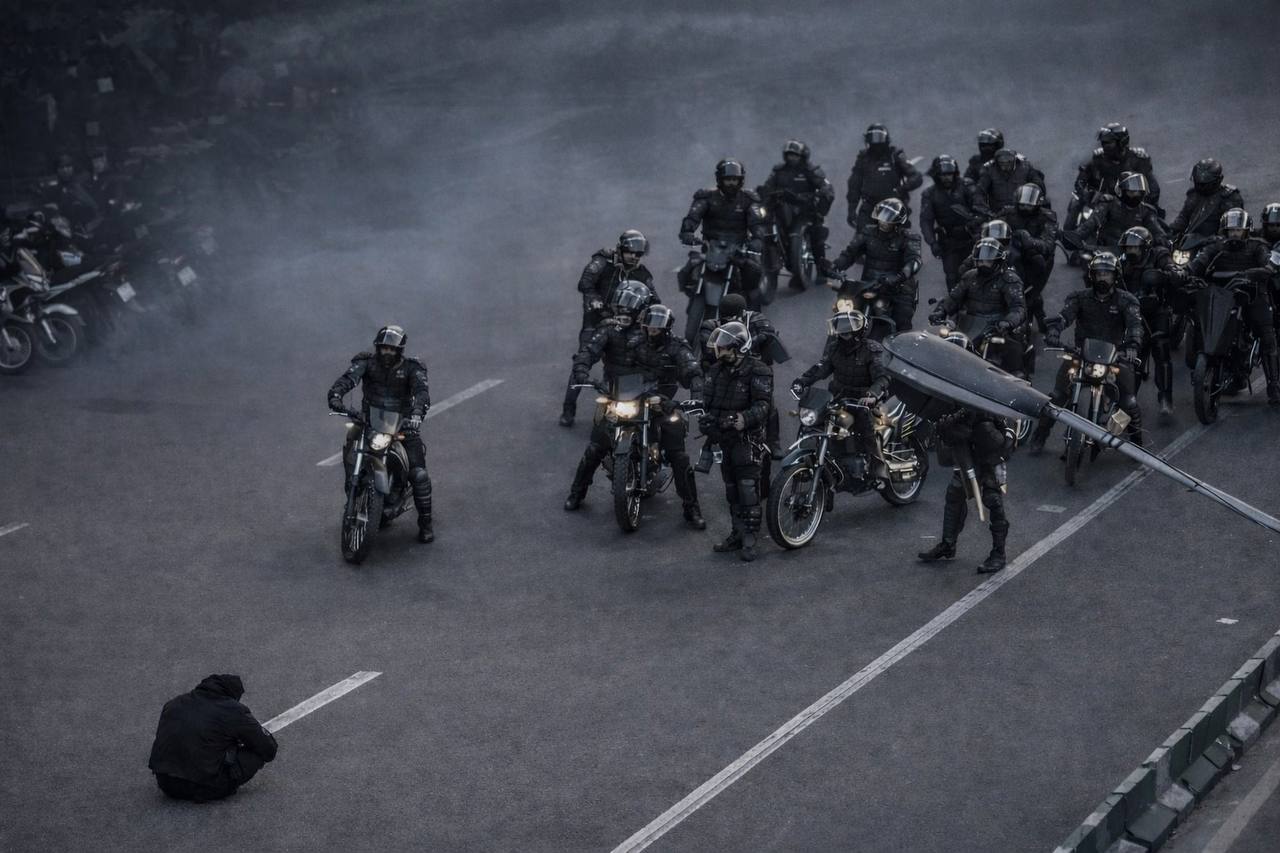
Less than a month has passed since the funeral ceremony of Khosrow Alikordi, a prominent human rights lawyer and former political prisoner, in Mashhad, where mourners people bravely chanted “JAVID SHAH” (“Long Live the King”) amid a heavy presence of security forces. Videos from this event, held in mid-December 2025, show women removing their headscarves inside the mosque and repeatedly chanting pro-monarchy slogans, including those in support of Crown Prince Reza Pahlavi. Today, we are witnessing the revival of the same slogans, such as “REZA SHAH, Rest in Peace” and “This is the final battle; Pahlavi will return,” in fresh protests across Iran, indicating a growing sentiment for the return of the exiled prince and the restoration of the Pahlavi Dynasty.
These demonstrations, which initially began with economic protests such as the sharp collapse in currency value and market strikes in Tehran, quickly turned into anti-regime and anti-Khamenei protests. In cities like Isfahan and Tehran, protesters shifted their dissatisfaction to broader calls for overthrowing the regime. Slogans praising Reza Shah the Great and his grandson, Prince Reza Pahlavi, have become prominent, reflecting not only nostalgia for the pre-1979 era and rejection of the Islamic Republic, but also a powerful reminder that no one can eradicate a socio-political system that took thousands of years to build, such as the Iranian monarchy. This echoes statements by Tom Barrack, the U.S. Special Envoy for Syria, who said that “benevolent monarchies have been the most effective form of governance in the Middle East.”
It is true that many foreign observers and some domestic voices attempt to limit and often reduce the Iranian people’s demands to issues of women’s rights or the enforcement of mandatory hijab. While gender equality and personal freedoms remain sensitive and key components of the people’s demands, the reality on the ground is more complex. The Islamic Republic has, in practice, shown varying degrees of leniency on certain social issues. For example, alcohol consumption occurs covertly in cafes, and the enforcement of mandatory hijab has decreased. However, these concessions do not address deeper systemic dissatisfactions, and discontent simmers like fire under ashes.
Protests in Iran often start with specific triggers—whether the suspicious death of a human rights lawyer like the late Khosrow Alikordi, or issues such as skyrocketing inflation, water shortages, or executions, but they always converge on one point: opposition to the current regime and, increasingly, explicit support for Prince Reza Pahlavi as a symbol of an alternative government. These slogans are not limited and represent the accumulation of decades of discontent, from economic mismanagement to political repression.
Notably, these pro-monarchy slogans are now resonating in the regime’s traditional conservative strongholds. Mashhad, the country’s second-largest city and a traditional regime bastion due to its religious significance, hosted Alikordi’s memorial where “JAVID SHAH” echoed inside mosques and streets. Similarly, in Isfahan, another city with deep historical ties to clerical influence, recent market strikes and gatherings have been accompanied by slogans like “Reza Shah, Rest in Peace” and direct endorsements of the Pahlavi family’s return. These locations, once considered impenetrable regime bases, show that disillusionment has penetrated even religious and conservative communities.
As political analysts, journalists, and foreign policymakers, we must maintain impartiality. The final form of Iran’s future system whether a parliamentary constitutional monarchy or a republic should be determined through a free and fair referendum, without coercion or external imposition. Only the Iranian people have the sovereign right to shape their destiny through democratic processes.
However, the international community has a moral and strategic obligation to listen to the voices from Iran’s streets and respond appropriately. In recent years, global powers have shown a tendency to support opposition figures in other authoritarian countries. Western support for Juan Guaidó in Venezuela, recognising him as interim president amid disputed elections against Nicolás Maduro is a prominent example. Similarly, María Corina Machado has received widespread international backing as a democratic leader. The United States and its allies applied maximum pressure on Caracas and unambiguously pushed for regime change.
A similar approach is necessary for Iran. Prince Reza Pahlavi has consistently presented himself as a neutral and unifying figure, avoiding divisive debates about republic or monarchy at this stage. He has always called on people for non-violent civil disobedience, national unity, and a secular, democratic framework. The world should demonstrate resolute support for him as Iran’s transitional leader, similar to transitional figures in other post-authoritarian countries.
Furthermore, world leaders must speak explicitly about the need for regime change in Tehran and stop discouraging phrases like “negotiating with the regime” while applying sustained “maximum pressure,”. They should instead deliver “maximum support” for the Iranian people’s desire for freedom. Just as Maduro faced global pressure to step down, figures like Ali Khamenei should be compelled and encouraged to exit through diplomatic channels, sanctions, and public statements, facing similar pressure.
It is time for the international community to set aside its hesitation. For decades, concerns about escalating conflict, energy markets, or regional stability have led to mild responses, effectively censoring or downplaying the Iranian people’s aspirations. This caution has often manifested in rhetoric that equates protesters’ demands with the regime’s narratives, or in reluctance to broadcast uncensored footage from sources like the U.S. virtual embassy X and Instagram accounts.
Decisive policy is essential: combining “maximum pressure” on the regime through targeted sanctions, isolation, and accountability for human rights violations, with “maximum support” for the people. This includes moral encouragement through public channels, political backing for opposition leader Prince Reza Pahlavi, and practical assistance for the free flow of information. Expanding access to independent media, satellite internet, and uncensored internet can help Iranians organise and share their narrative without fear.
Such two-way engagement has historical precedent in successful democratic transitions. In Iran’s case, it could accelerate peaceful change, minimise chaos, and maximise prospects for stability. Slogans like “JAVID SHAH” and similar calls for Pahlavi’s return are not mere nostalgia; they reflect the people’s desire for leadership that is patriotic, secular, and free from the ideologies of the 1979 revolution, such as Palestinian cause, Islamic-Marxists, and fundamentalism.
The world can no longer ignore these voices. By listening clearly and acting decisively, the international community can help Iranians reclaim their future, a future rooted in freedom and secularism.