
How US Aid Has Led to American Influence Over Israel’s Decisions
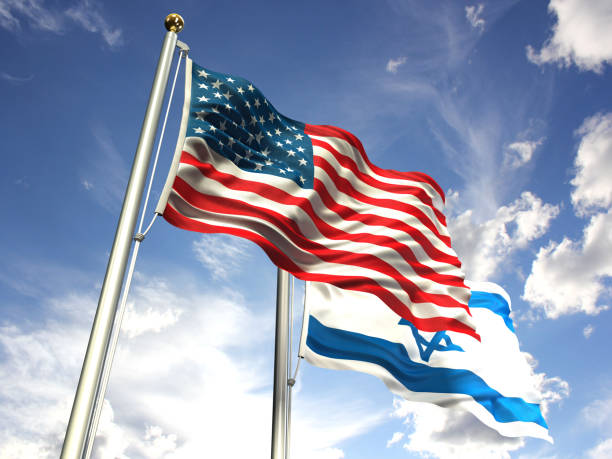
For years, US military aid has been considered a symbol of the strong alliance between Washington and Jerusalem. It provided Israel with essential tools to defend itself and showed the depth of American support. However, over the last year, the nature of this relationship has undergone a significant change. The United States is no longer just supporting Israel; it is increasingly shaping Israel’s decisions during one of the most complicated wars the country has faced.
The turning point came in May 2024, when the US paused a shipment of heavy bombs intended for Israel’s military operation in Rafah. This move, reported by Reuters, made it clear that American aid could be used as leverage, not just assistance.
The timing was significant. Israel had been preparing a major offensive, and suddenly, the weapons it needed were held back. This wasn’t just a policy disagreement. It was a message: American support is conditional, and Israel’s military steps will be judged and limited by Washington.
Over a month ago, Israel accepted a ceasefire plan strongly supported by the United States. The deal brought home most of the hostages, a moment of profound relief for many Israeli families. But it did not provide a clear path for removing Hamas from power or preventing the group from rebuilding. At the same time, US officials encouraged Israel to withdraw from central areas of Gaza to the Yellow Line, reducing the IDF’s hold on the territory it had fought to control.
American involvement didn’t stop there. US drones began flying over Gaza. American officials took a leading role in humanitarian coordination. A new US-run center opened in Kiryat Gat and is playing a hands-on role in monitoring ceasefire conditions and the movement of aid. These steps represent a level of direct involvement that goes beyond what many Israelis ever expected from their closest ally.
At the beginning of this month, it was reported that the US is considering building a large Military base at the Gaza Envelope near Gaza that will house hundreds of US Soldiers, and it would monitor the ceasefire between Hamas and Israel and oversee postwar stabilization. A later JNS report suggested that planning for such a force may already be underway, and its goal will be to uphold the ceasefire, and later house troops from other countries as well.
These developments raise difficult questions. How much influence should another country have over Israel’s national security decisions? According to several Israeli sources, the US has pushed Israel to allow a large group of Hamas militants to leave Rafah unharmed, which thankfully hasn’t happened. Washington is also promoting an international stabilization force for Gaza and has insisted on including Turkey and Qatar, two countries known for their political ties to Hamas.
Even when Israel disagrees, its ability to resist is limited. When a major portion of Israel’s ammunition and equipment comes from the United States, any pause or condition set by Washington has immediate consequences. As it has been reported noted during the weapons pause, American officials have seen halting aid as a legitimate tool for influencing Israeli policy, and “previous presidents, including Republican ones, have withheld aid to send a clear message to Israel and other allies”, a foreign policy expert told ABC News.
This is why Israeli leaders have started emphasizing the importance of military independence. The government is now working on a long-term plan to build a fully independent defense industry and redesign the aid it gets from the US as a partnership revolving around Joint military R&D as opposed to direct military aid. The goal is ambitious but symbolic; by 2048, the 100th anniversary of Israel’s establishment, the country aims to produce most of its essential weapons, ammunition, and technology on its own.
This vision isn’t meant to weaken the alliance with the United States. Instead, it seeks to strengthen it. A healthier partnership is one where both countries cooperate out of shared interest, not dependency. Israel will always need strong international relationships, especially with the United States. But it also needs the freedom to make its own decisions about war, security, and national survival.
Israel is now at a crossroads. American support remains important, but sovereignty depends on independence. By investing in its own defense capabilities and preparing for full self-reliance by 2048, Israel can ensure that its future security decisions are guided in Jerusalem, not shaped by pressure from Washington.