
Hurrying to the Truth: A Reflection on Vayigash
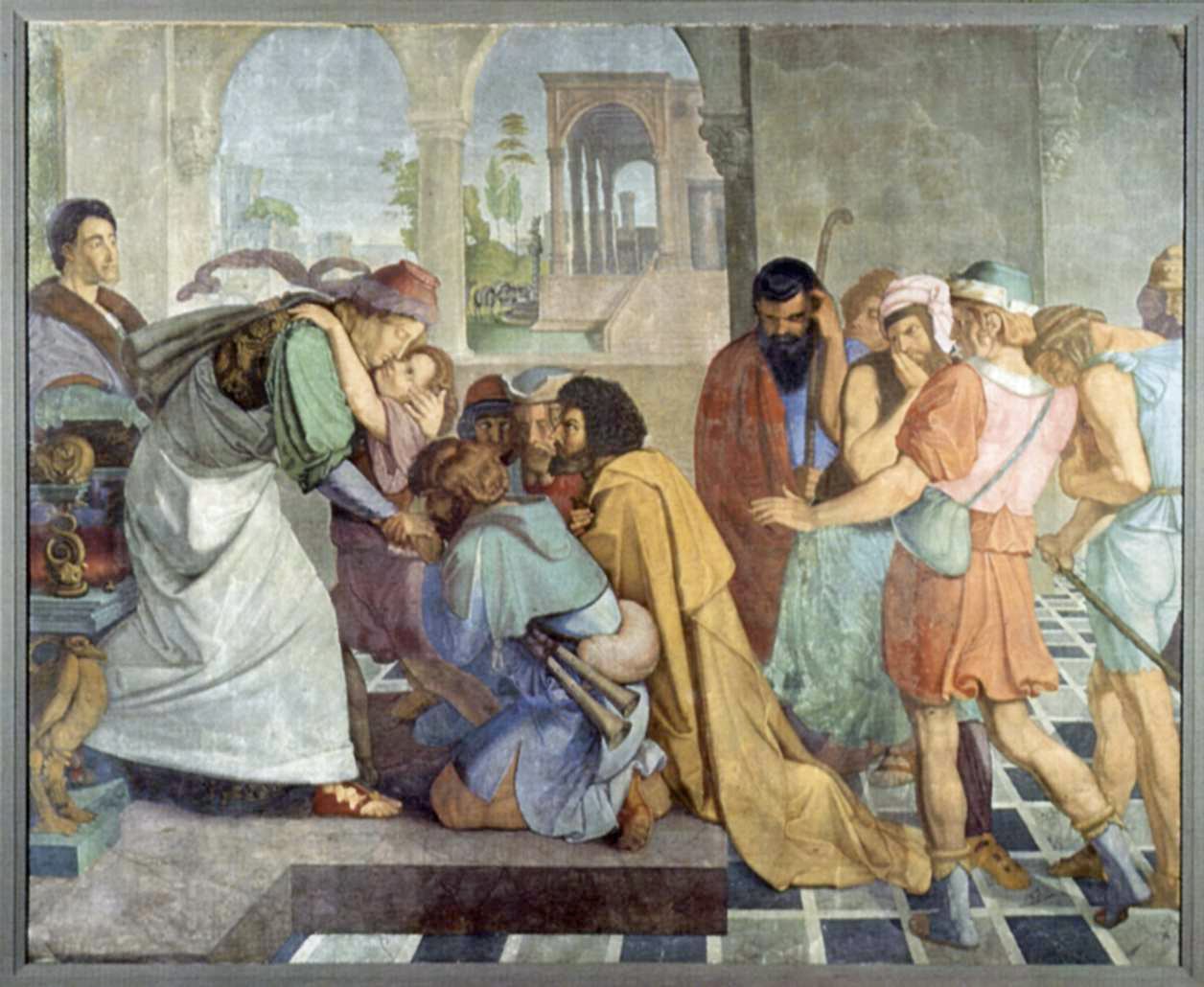
In this week’s Torah portion, Vayigash, Joseph addresses his brothers after revealing that he is alive and that he is now vizier of Egypt. Twenty-two years after they sold him into slavery, Joseph says to his brothers, “Hurry, go up to my father and say to him: Thus says your son Joseph, G-d has made me lord of all Egypt” (Genesis 45:9). Joseph is telling his brothers to tell their father that he is alive. Not only is Joseph alive, but he has risen from being a slave to being the vizier of all Egypt, the most powerful country in the world at the time. Jacob for twenty-two years had thought that his son was dead. Now the same sons who had sold Joseph as a slave were going to tell Jacob that they had lied and Joseph was alive.
The word “hurry” in Joseph’s statement seems a bit out of place. Why does Joseph need to tell his brothers to hurry? Surely his brothers will bring the news to his father. Could the Torah not have said go up to my father without the word “hurry” before? Why is there such a strong emphasis on hurrying? The commentator Sforno suggests that Joseph tells his brothers to hurry to their father, “so that he will not worry and agonize any longer.” Joseph wants his father Jacob’s grief at losing him to end. Therefore, Joseph tells his brothers to hurry as much as possible so that his father knows the truth and his grief and agony come to an end.
This raises the question of why Joseph himself does not seem to hurry. By this time, Joseph had been vizier of Egypt for nine years. Why did he not use this power to contact his father and end his grief? Even if he could not physically come to his father in the Land of Israel, he could have at least sent a messenger. What is the reason that Joseph waits for his brothers instead of contacting his father himself?
A reason why Joseph could not send a messenger to tell his father he was alive is that this would be ignoring his brothers. Joseph’s brothers had not only sold him into slavery but had also lied to their father Jacob that Joseph was dead when in fact they knew he was alive. Joseph’s brothers had lied to their father which had begun his anguish. Now the brothers themselves would need to break out of this lie and tell their father the truth. This had not been possible until the brothers had come to Egypt.
If Joseph had indeed bypassed his brothers in this regard and had gone straight to his father, it would have assuaged Jacob’s grief for Joseph. At the same time, it would have opened up the new problem of Jacob becoming permanently distrustful towards his sons. This would have destroyed the unity of Israel, keeping the lies and distrust going rather than fixing the issue at its root. Instead, Joseph waits until his brothers can correct the lie and repair the damage that they caused by lying to their father Jacob. The brothers are the ones who created the problem, so the brothers are the ones who must fix it. At the same time, the brothers must hurry so that Jacob’s anguish can finally come to an end after so many years.
In our lives we have people who we have not reconciled with. Sometimes the thing that can repair these relationships is simply telling the truth. One thing we can take from the story of Joseph and his brothers is that we must all hurry to tell the truth. This is especially true when we have told huge lies in the past like in this parshah. This truth will allow us to begin to heal the relationships in our lives we have damaged. If we can all do this we can begin to heal the rifts and strife between ourselves and throughout the world. May we hurry to see the day when all the rifts between people in the world are healed and we can live in peace together.