


I am Afraid of Eggs
There Was a Time When Getting Them Was a Challenge
Until I was about five or six years old, I ate eggs regularly for breakfast, just like millions of other kids. Then, for some reason I still cannot explain, I decided I was afraid of them.
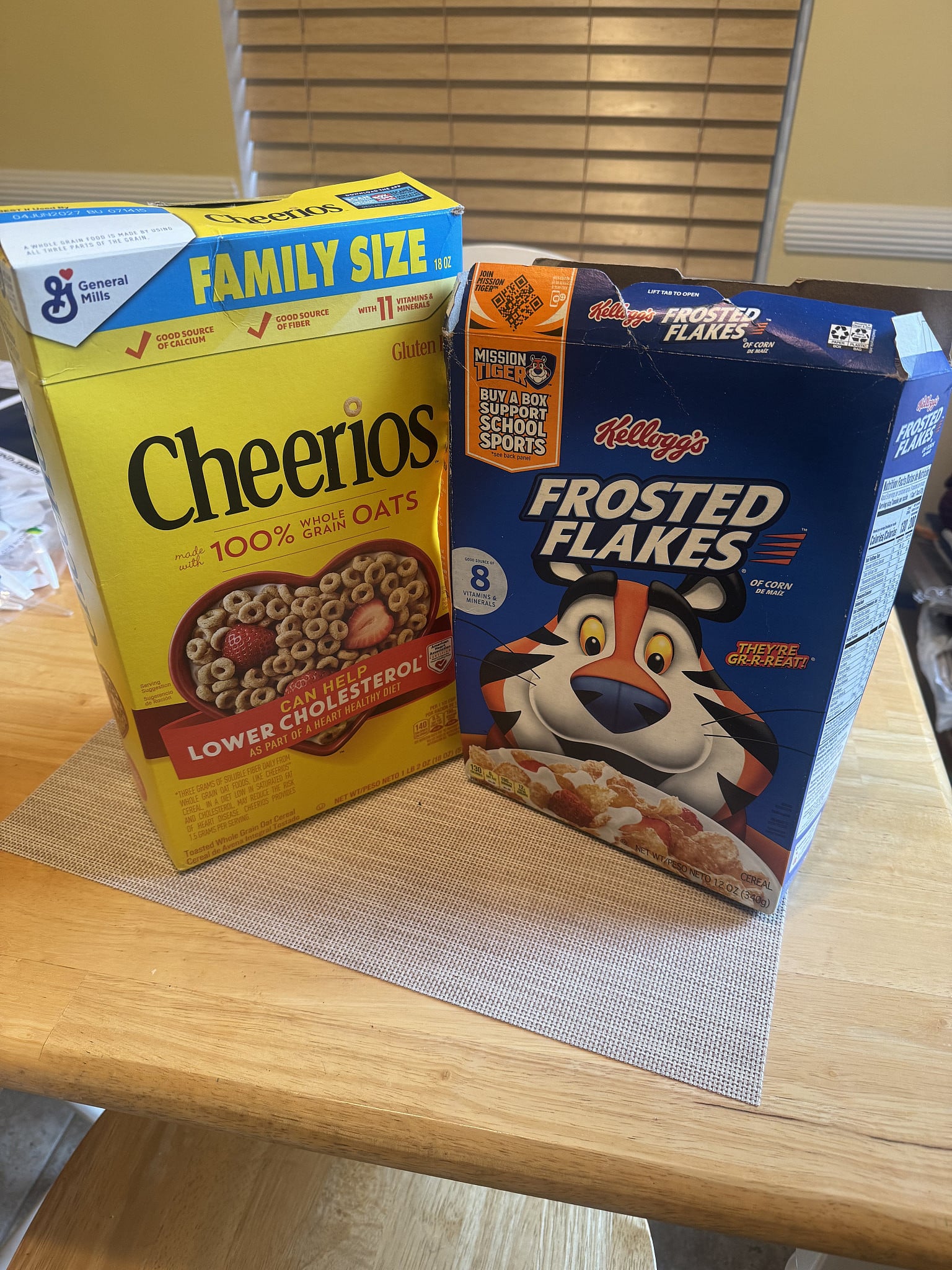
Out with eggs, in with Tony the Tiger. I switched to Frosted Flakes and ate them every single day until about a year ago, firmly believing that “They’re Gr-r-reat!” (I only recently switched to Cheerios—which are admittedly boring—to cut down on sugar).
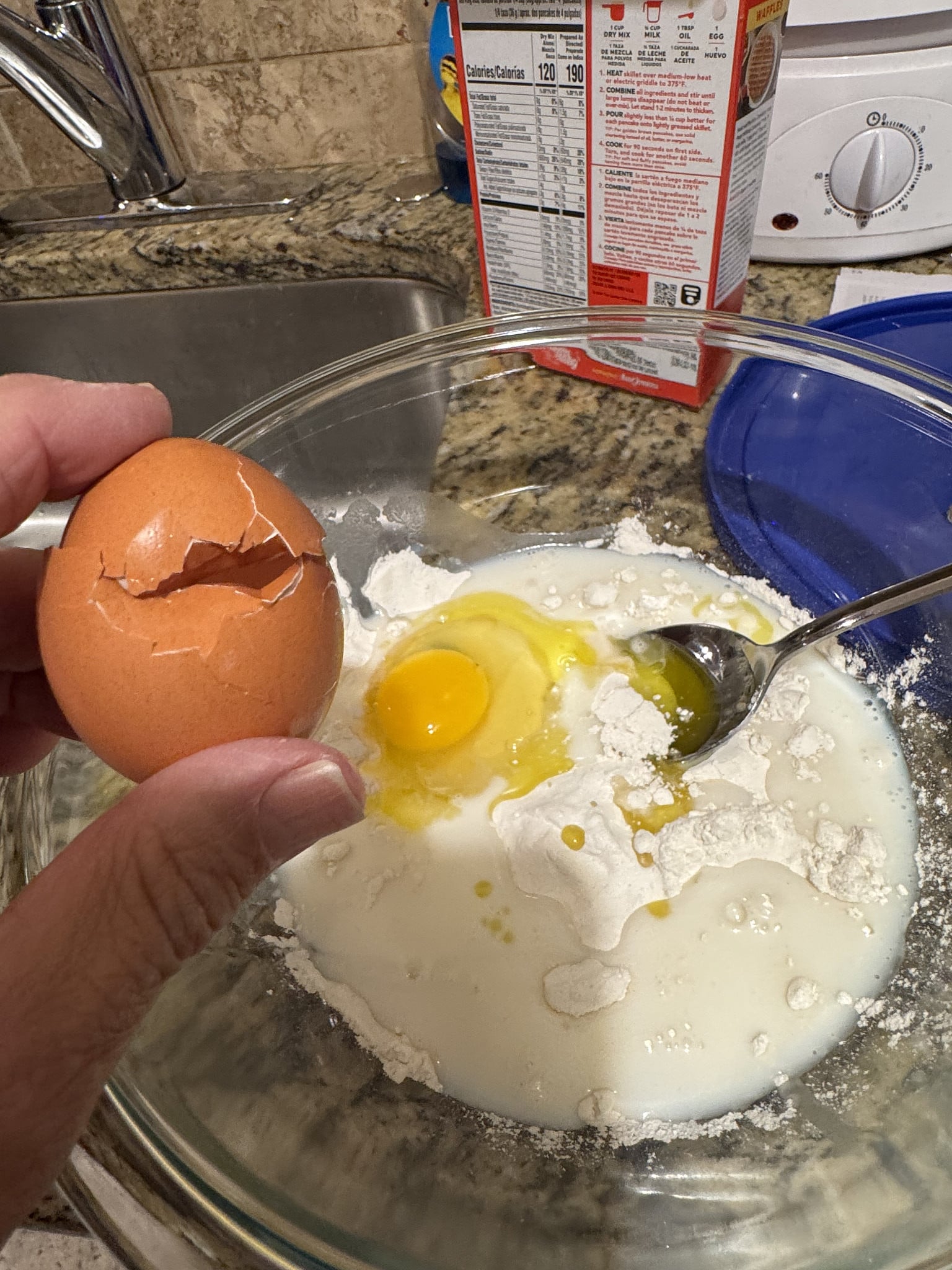
Even during my teenage years, my aversion persisted. I regularly cooked eggs on Boy Scout camping trips, but I never ate them; the mere sight of them made me uneasy. Today, I still use them as an ingredient. I use them in pancake batter or to help breadcrumbs stick to chicken cutlets. Sometimes I drop one; it makes a mess, and my discomfort spikes. I will likely continue to fear eggs for the rest of my life.
But a recent experience completely reframed my perspective.
A few weeks ago, I attended the member preview of “Will These Words Reach You? The Underground Archive of the Warsaw Ghetto” at the Museum of Jewish Heritage – A Living Memorial to the Holocaust in New York City.
Countless exhibits, books, and films have been created about the Warsaw Ghetto. It is both a fortunate necessity—because we must never stop teaching people what happened—and an unfortunate truth that such a horror ever existed. This education must continue.
But as I walked through this particular exhibit, which showcases the incredible acts of Jewish resistance and preservation, I encountered something that froze me in my tracks.
Near the entrance, alongside a map of Poland and various historical facts, was a section detailing how strictly food was rationed in the ghetto. Children received special cards to buy food, and bread was the staple. Other items, like soap, flour, and eggs, were only available at specific times. Notices would be posted on the ghetto walls alerting starving residents when these items were temporarily available.
Then I read the detail that changed everything for me: people were strictly limited to purchasing just two eggs.
I stood still, reading and rereading that sign. As someone who has spent a lifetime actively avoiding eggs, terrified of even looking at them, I felt a wave of devastation. I was looking at a historical reality that buying something as simple, fragile, and ordinary as eggs were a monumental, heavily policed challenge of survival.
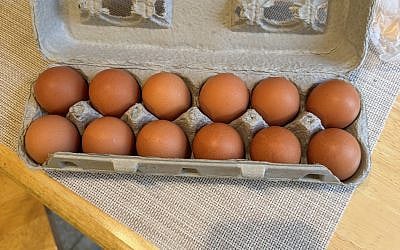
When I got home that night, I cracked my last egg to prepare some chicken cutlets for the air fryer. As they cooked, I logged onto my FreshDirect account. With a few clicks, I ordered a dozen eggs for $4.99. They arrived at my door a couple of days later. As I cracked that egg and ordered more, I was so upset by how easy it was to buy, knowing that in 1940, if I were in Warsaw, this wouldn’t be the case.