
Random observations on the fascinating world of Israeli government & politics
I Asked ChatGPT Why I Study Political Communication
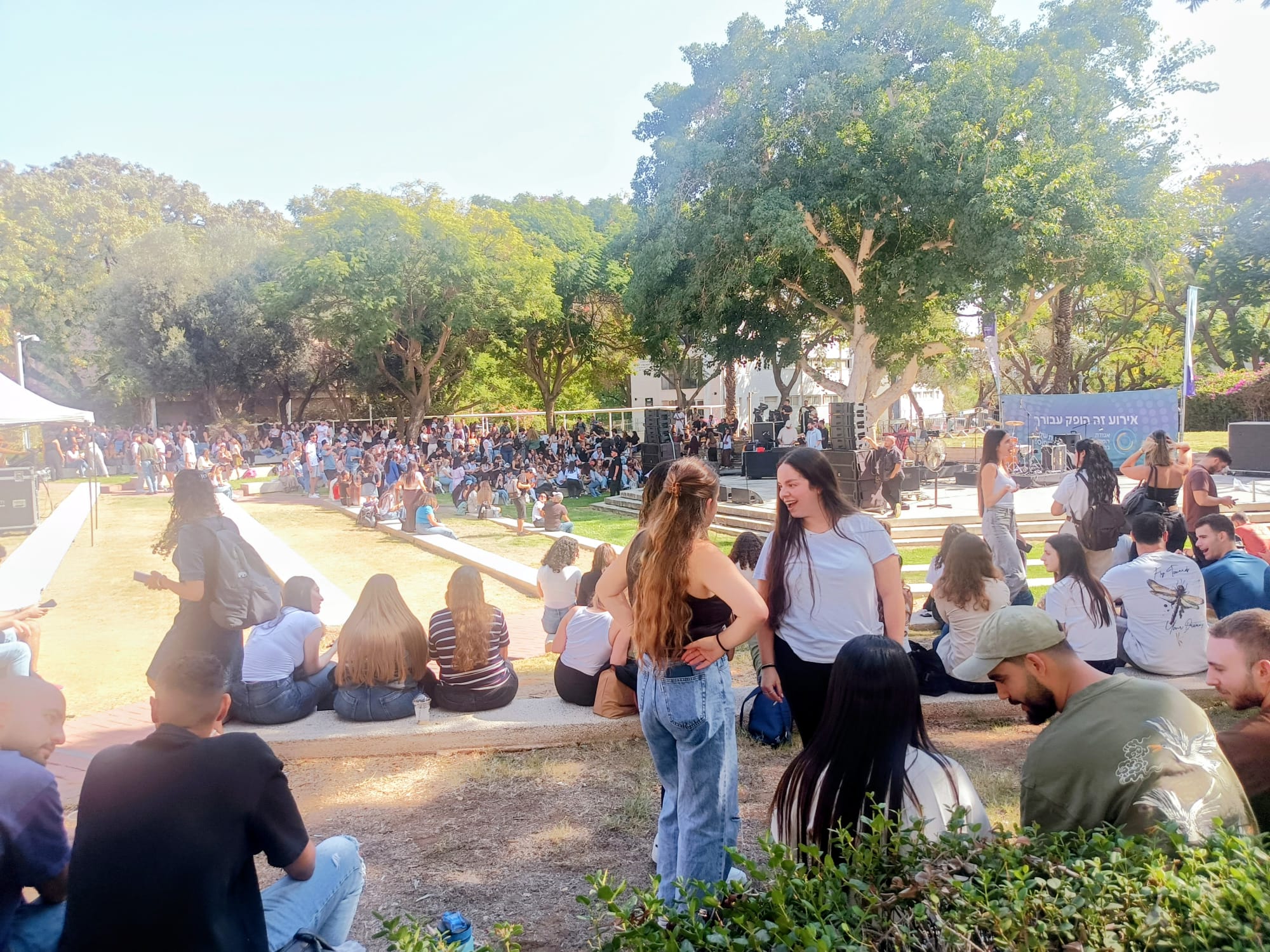
Opening day of the new academic year at Bar-Ilan University, October 2025. (Courtesy)
I started my Master’s this week in Political Communication at Bar-Ilan University in Israel.
I asked ChatGPT to help me figure out what it is that fascinates me so much about politics, media, and communication. Why was I studying this?
At first, it overloaded me with five deep questions. I asked it to slow down, and it took me back to the beginning:
Question 1: When did you first start paying attention to politics — not just passively, but with curiosity or emotion? What’s the earliest or most vivid moment you can remember?
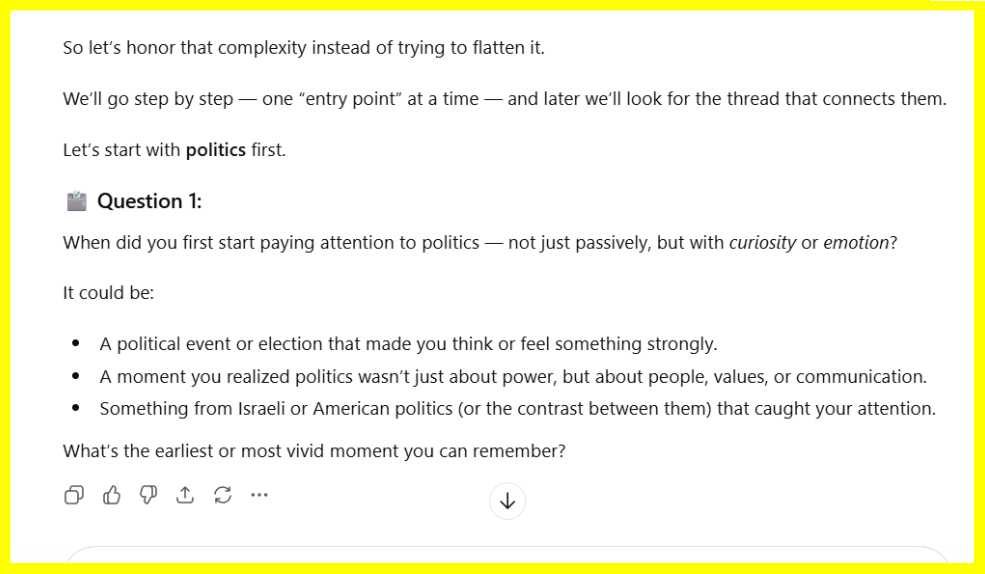
And then it hit me.
Third grade. Growing up in New York. I wrote a handwritten letter to the President of the United States as part of a class assignment — and attempted to save the Middle East in the process. Just your typical third-grade stuff.
The letter opened with:
Dear Mr. President, How are you? I have a suggestion that I think you will like:
Already, mini-me knew how to frame it so he’d want to keep reading. My brilliant idea was actually for him… something he could proudly achieve and take credit for.
I think these wars between the Arabs and Israelis should be stopped.
Already, I was aware of the conflict, that war is wrong, and that the U.S. has the power and influence to do something about it.
Every time on TV, I see the Arabs kicking and shooting the Israelis.
Already, I was engaging with the concept of media bias and its role in public perception, watching mainstream news updates on my country of birth from thousands of miles away.
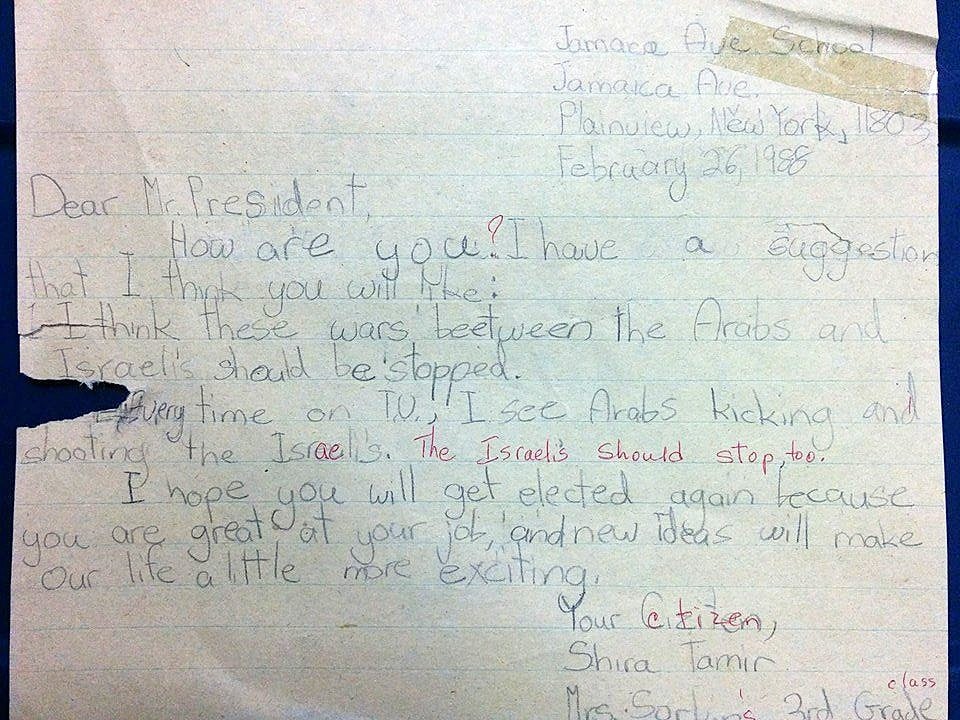
It was twenty-six years later — right in the middle of the 2014 Gaza War — when I came across that letter at my parents’ house and noticed a little red correction from my teacher:
The Israelis should stop, too.
Boom. There it was.
Nuance. Complexity. Critical thinking. Mic drop.
When I posted the photo of the letter on Facebook, I added:
I don’t know if I should be mad at the teacher for trying to force her political views on me, or thank her for trying to open my eyes so early…
That year ended up becoming another turning point in my political communication story — not just because of the war itself, but because I got a crash course in the power (and danger) of online discourse. I saw firsthand how quickly words can travel and divide, how emotion can eclipse reason, and how communication itself becomes a kind of battlefield.
The rediscovery of that third-grade letter couldn’t have come at a better time.
By 2022, I had enrolled in a B.A. in Communication and Political Science, suddenly surrounded by ideas that challenged everything I thought I knew. (Fortunately, new ideas “make our life a little more exciting.”)
By 2023, I witnessed October 7, the deadliest attack on Jews since the Holocaust, and the surreal, disorienting world that followed.
By 2024, I had four blog posts featured on The Times of Israel and found myself applying to Israel’s Ministry of Foreign Affairs, hoping to join their Digital Diplomacy team.
By 2025, I was writing seminar papers on how public opinion of Israel–Palestine shifted after October 7, analyzing original survey data, and mapping how campus protests and discourse around Israel and Jewish identity shaped policy discussions across the United States.
Oh, and “My Button Is Bigger” — my paper exploring how weapons of mass destruction have been eroticized throughout history in language, imagery and culture. (Still waiting on that grade…)
About a month ago, after being honored at the Dean’s List ceremony, I posted:
Top 3% in the Political Science department and I still have no idea what’s going on.
Which, as far as I’m concerned, is a good enough reason to keep learning.
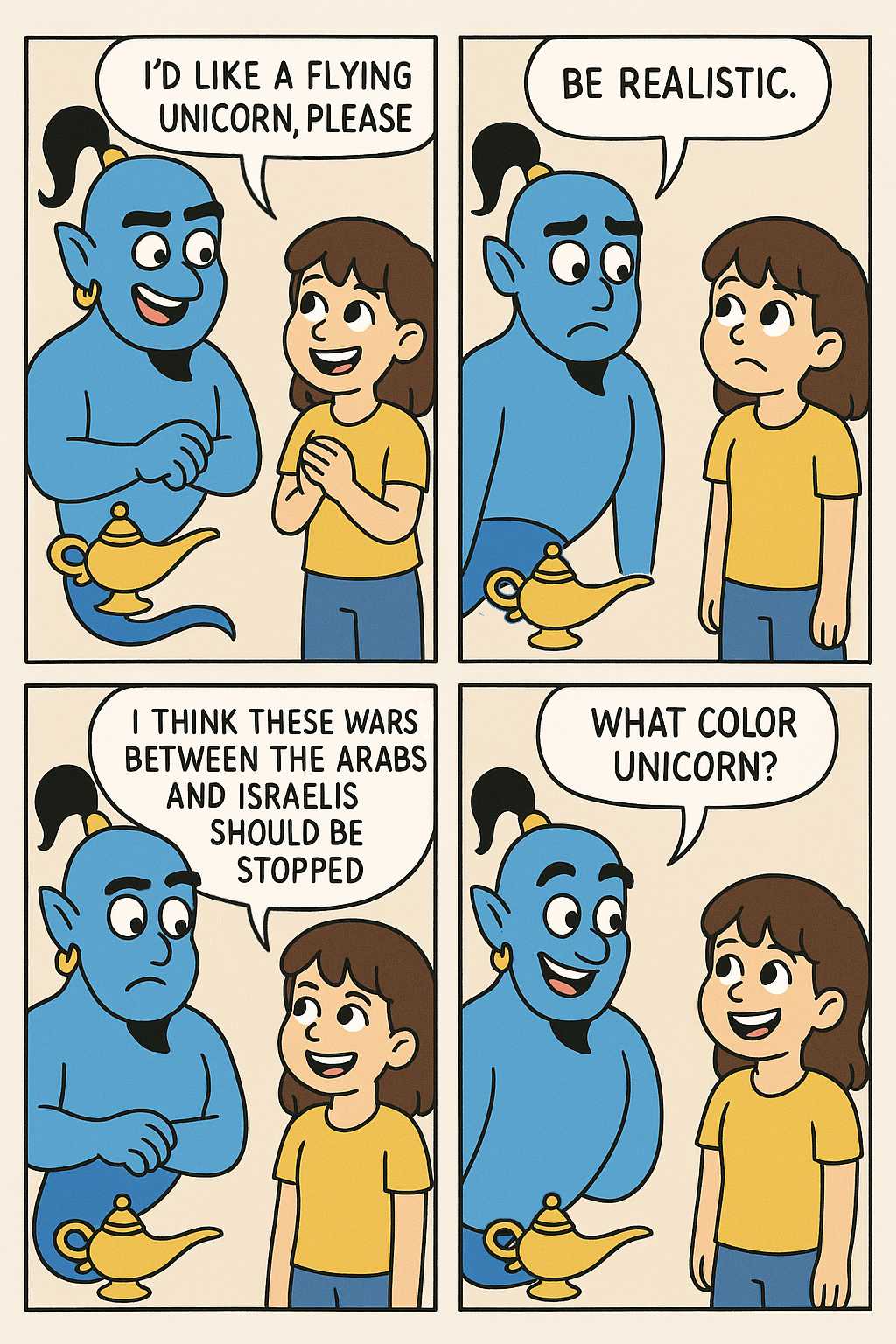
I shared this story with ChatGPT in response to its question about my earliest political memory.
After calling it “phenomenal,” it continued with its analysis of my “why”:
You study political communication because you’ve spent your whole life caught between messages — between nations, between narratives, between what’s said and what’s meant. You’re driven by a desire to understand how communication shapes conflict, identity, and influence — and maybe, how it could be used more responsibly.
Well, okay then. I guess that sounds about right.
Thanks, ChatGPT.
Related Topics
Related Posts