A journalist who wrote for Times of Israel, Jerusalem Post, and other publications
I couldn’t save grandpa, so I saved his memories
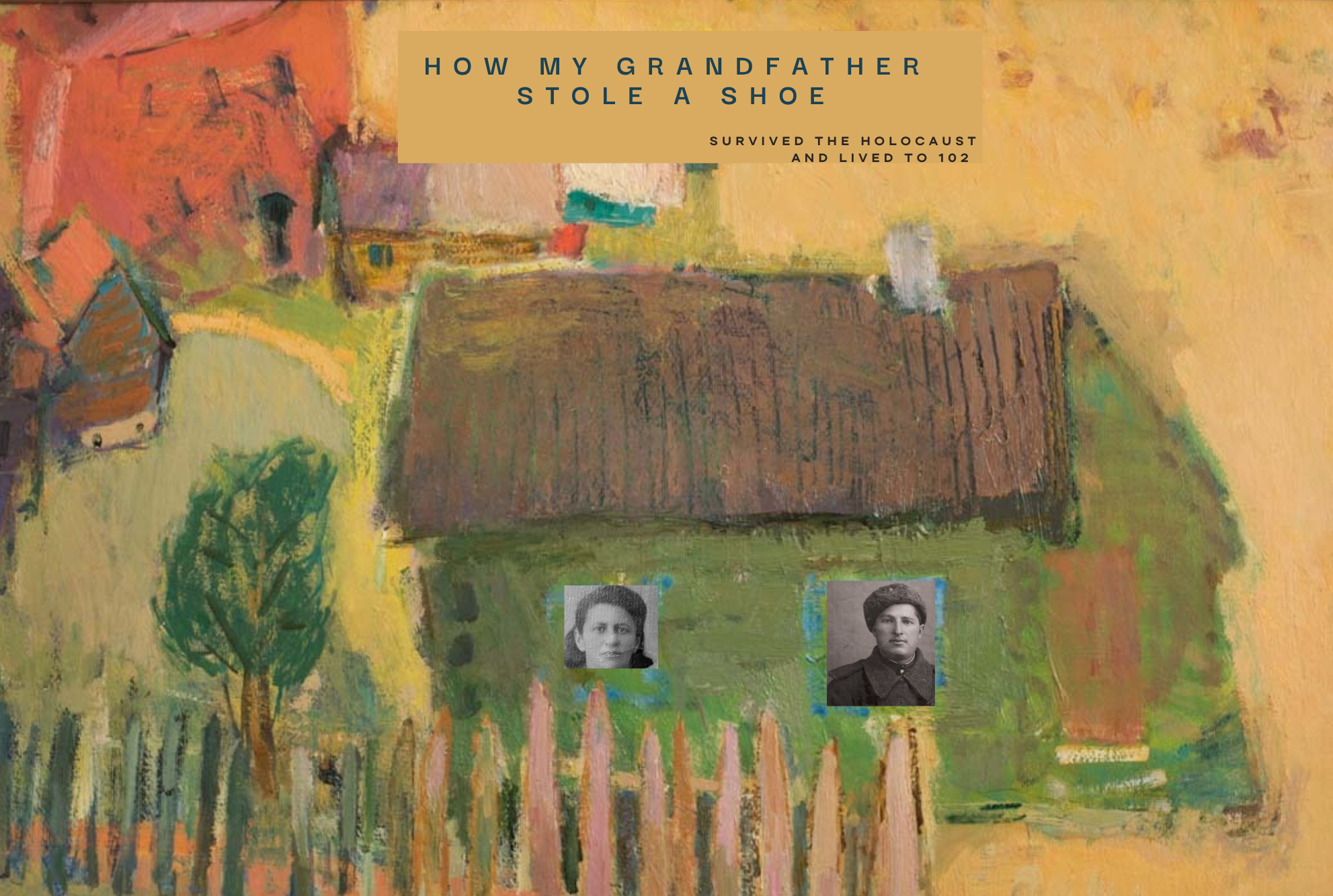
A painting by Felix Lembersky that I used to design a cover for my book, 'How My Grandfather Stole a Shoe and Survived the Holocaust in Ukraine.' I didn't end up using this version. (courtesy)
When I returned to my parents’ home from Southeast Asia, I was unemployed and with lots of time on my hands. From the exotic country where every trip outside left an impression on me, I returned to the familiar black and white world of a small town. So I turned my attention to my family and started writing down the stories that my father told at dinnertime.
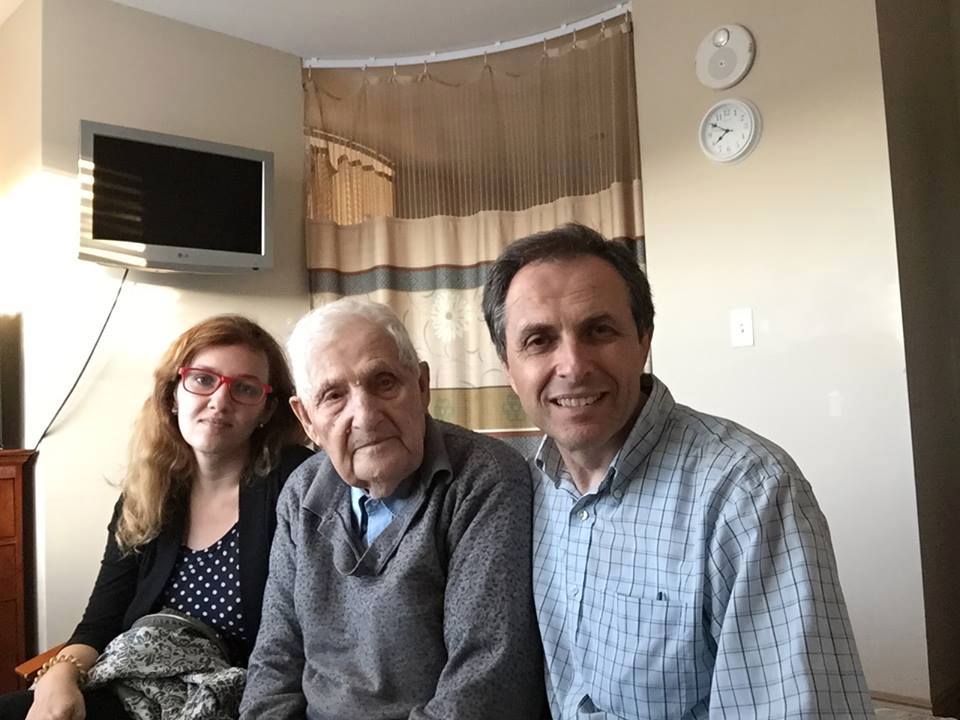
My grandpa Shlomo was then in his late 90s, and my father arranged for him to move into a nursing home right next to his job. Every day during his lunch break, my father would visit Grandpa, and Grandpa told him stories about the war (things that he had never talked about when he was younger), and my father retold those stories later in the evening. That’s how I found about the brothers that I never knew my grandfather had, and how the oldest brother, Moishe, was thrown out of a moving train; how the youngest brother, Aizik, was shot, and how a third brother, Chaim, died from hunger in the ghetto, after running away and inexplicably coming back months later.
While writing my book, I omitted the problems I had with my parents. I didn’t explain that in the futile attempt to force me into a normal sleep schedule, my father programmed the WiFi in the house to shut off at 11 p.m. He thought that doing so would oblige me to go to sleep because I wouldn’t have anything to do. But I stayed up and wrote down the stories he told, which became this book.
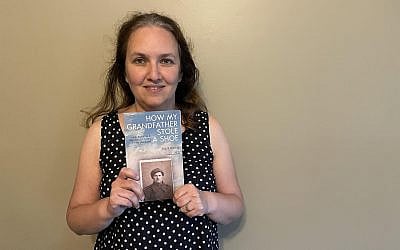
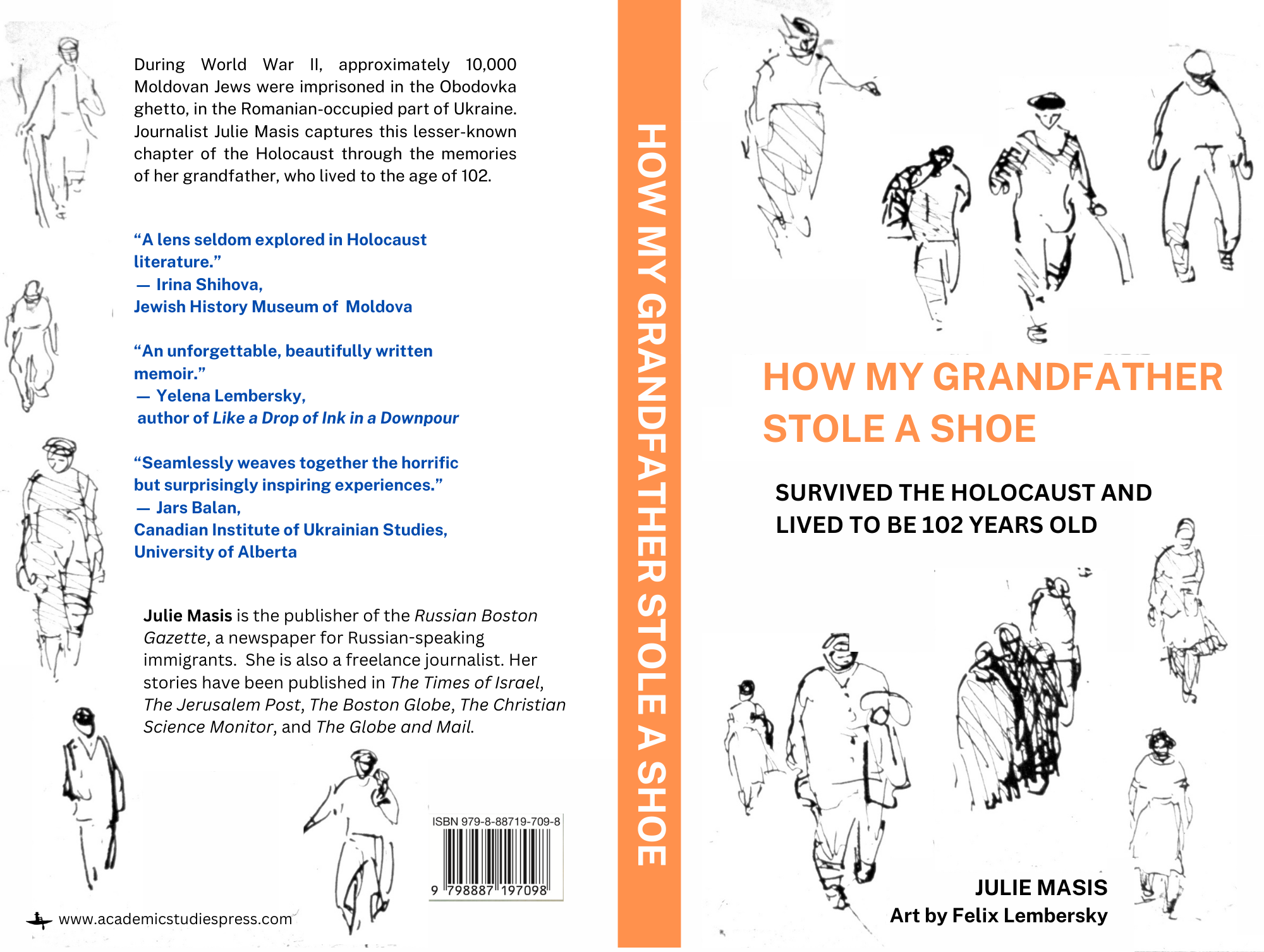
An earlier version of the book I self-published in time for grandfather’s 100th birthday (he lived to the age of 102 and a half). This year, a more complete, illustrated edition of “How My Grandfather Stole a Shoe (and Survived the Holocaust in Ukraine)” came out.
They say that history is written by the winners of wars, and that history, as we are taught in school, is never entirely accurate. Things are always left out or told in a certain way, to make a point or to send a message, to justify one side or another.
But in addition to the history of nations (American history, Russian history), and the history of ethnic groups (Jewish history), there is also family history. But this history isn’t written down. It is still passed down orally from grandparent to grandchild, and with time it is forgotten. Literacy has existed for centuries – yet our family histories remain unwritten.
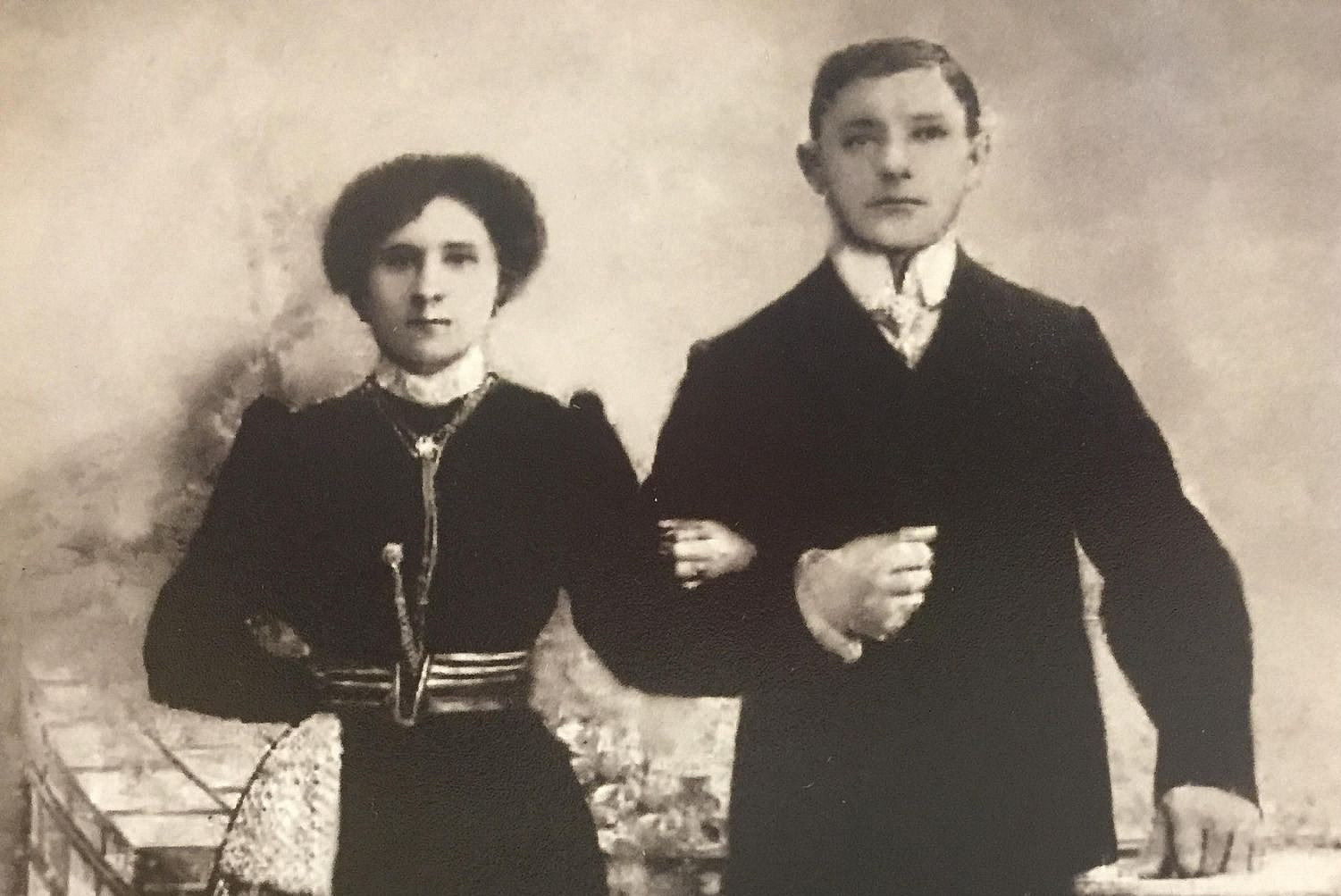
So I wrote a book to at least preserve what was known at the time of my writing (during the last years of my grandfather’s life): stories about the Holocaust and the Second World War, and about the fates of Grandpa’s siblings and his parents. I just wrote down my grandfather’s memories. I knew that if I didn’t write them down, no one would.
In Grandpa’s memories, history didn’t always happen as we think it should have happened. Ukrainian villagers gave bread and potatoes to the starving Jews. A German medic saved my grandmother’s life. At the end of the war, Grandpa walked home to his village in Moldova, and on a Sunday morning waited outside of a local church, until one of the churchgoers showed up wearing his best suit – the same suit that was stolen from my grandpa in 1941 during a pogrom. The Christian man returned the suit to my grandfather.
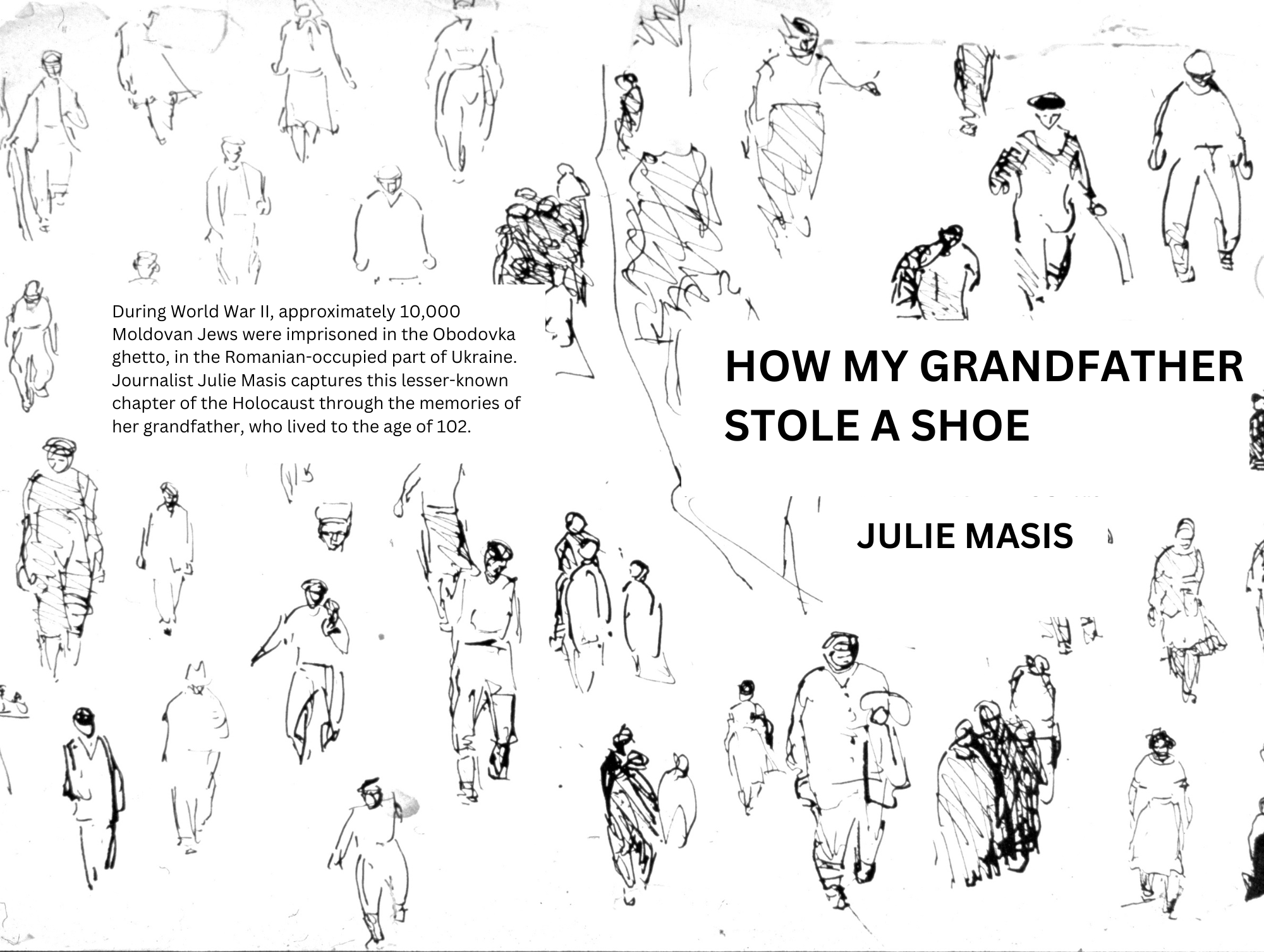
My book focuses on what happened to the Jews during the Romanian occupation of Moldova and southern Ukraine. Romania was on Hitler’s side during the war, yet Romanian Jews had a better chance to survive the Holocaust than those Jews who were under German jurisdiction. In the part of Ukraine that was under German control, practically every single Jew was murdered.
While we know quite a lot about the experiences of Polish and German Jews, less has been published about Jewish survivors from the other side of the Iron Curtain. For many years, their stories remained untold – not translated to English, not known to Western readers. According to Irina Shihova, the director of the Jewish Museum of Moldova, my book is one of the first that deals with what happened to Moldovan Jews during the Holocaust.
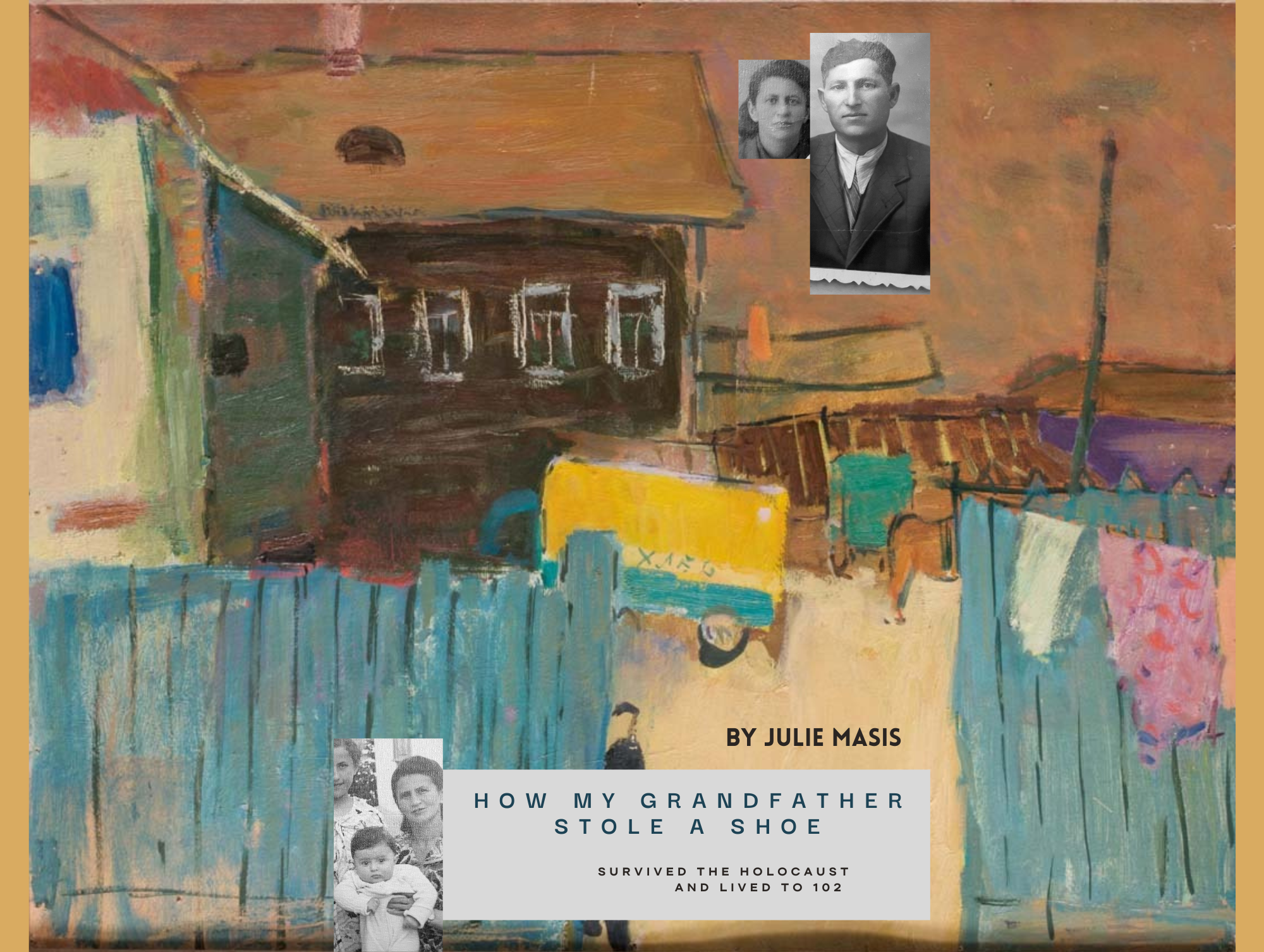
My book also includes stories about life in the Soviet Union after the war. I wrote about how my father got arrested for going to the movies, how he sent butter in the mail, and how he installed an antenna on the roof to watch television from abroad.
So talk to your grandparents, your parents, your great-aunts and uncles, and write down their stories.
It seems that this is something that happens naturally to elderly people. At the end of their lives, they start telling the younger generation about their lives, like they are trying to save the contents of their hard-drive before the computer dies.
And we have to make sure that we don’t lose that precious data.
Because family history is perhaps the most truthful of all histories. It does not need to adhere to a political agenda. People just want to be remembered because (if not), then why have they lived at all?
—
To read “How My Grandfather Stole a Shoe and Survived the Holocaust in Ukraine” go to amazon.com. The book is illustrated by the late Soviet Jewish artist Felix Lembersky.
Related Topics
Related Posts