I Miss the Mistakes
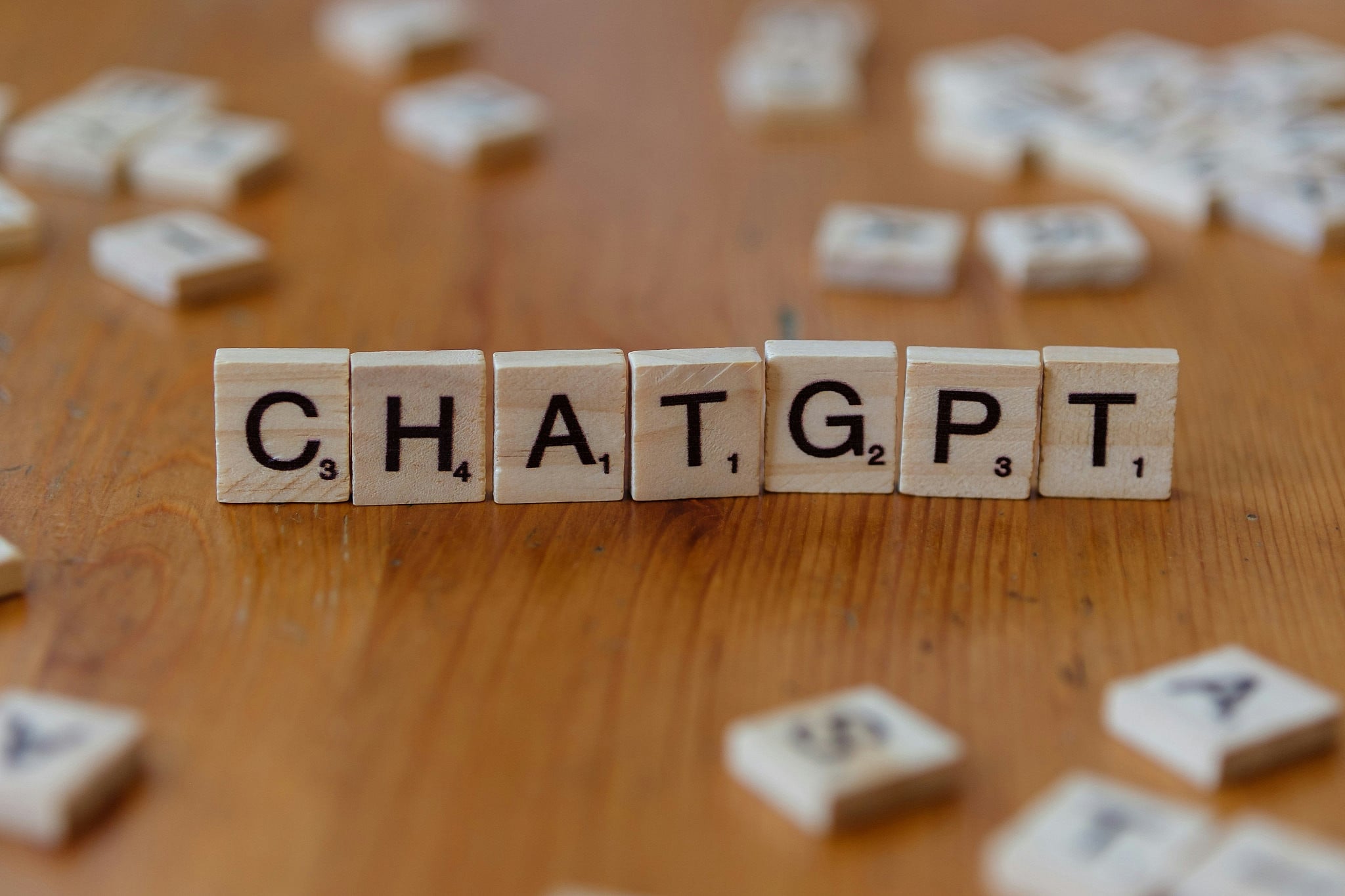
I miss typos. I miss misspelled words, sentences that go on too long and emails that end without quite knowing how to end. I miss bulletin articles with clumsy transitions. I miss sermons that take a strange turn because the rabbi or cantor followed an idea further than planned. I miss writing that sounds like somebody.
I realize this may be an odd confession given that I have spent so much time writing, and editing, and trying to communicate clearly! I love and appreciate good writing and I want my ideas to make sense. I want people to understand what I am trying to say.
Am I using AI to check this piece? Yep. Yep, I am. I did not want to, but I also needed a quick editor. That contradiction is part of what I am wrestling with. AI helps me sort through a mess of thoughts, notice what I have repeated and find a clearer way into something I am trying to say. Sometimes it gives me back time I can spend with my family or the people I serve. I am grateful for that. I am also disturbed by how quickly AI has entered Jewish life and how easily assistance can become dependence.
Sermons, bulletin articles, divrei Torah, iyyunim, lesson plans, speeches, condolence notes and community statements can now be produced in seconds. The writing is usually polished, the paragraphs arrive in roughly equal sizes. The conclusion circles neatly back to the opening. There will probably be an em dash. There may be a sentence explaining that Judaism asks us “not only” to do one thing, “but also” to do another. Everything is clear, everything is competent and it sounds strangely familiar. After a while, it all begins to sound like no one.
Then there are the graphics. I bet you’ve seen many of them: the glowing candles that do not quite look like candles, Torah scrolls covered in imaginary Hebrew, unnaturally cheerful families gathered around a holiday table and people whose hands should not be examined too closely. They are glossy and often terrible. They lack personality (to say the least) and make our flyers look less creative and less connected to the communities they are meant to represent. I would rather see a crooked drawing made by a child, a real photograph from a previous celebration or a poster designed by someone who knows us. At least it would belong to somebody.
Judaism is built upon relationships. A teacher sits with a student. Two people argue over a page of Talmud. A mourner hears the voice of someone who knew the person who died. A congregation listens as its clergy wrestle aloud with Torah and with life. Our tradition has survived because one generation spoke to the next, each adding its own questions, insights, accents, arguments and mistakes. Torah passes through people.
When I prepare a teaching, the struggle is part of it. I bring the week I have lived, the conversations I have had, the people I am worried about, the story I cannot stop thinking about and the verse that will not leave me alone. Some weeks, the pieces come together well. Other weeks, they remain uneven. That unevenness may show where I am still wrestling and it may be the most honest part.
AI is very good at sanding down those rough places and that is exactly what worries me. A machine can imitate warmth. It can gather Jewish sources, offer a moving image and create a satisfying final paragraph. It cannot stand beside a hospital bed. It won’t watch a child become b’nei mitzvah after years of struggle. It will never carry the memory of a congregant’s voice or feel the silence in a sanctuary after terrible news. It can write about relationships without ever having been in one.
When we hand over too much of our religious language, we give up some of the encounter itself. A sermon may sound beautiful, but the congregation came to hear its rabbi, its cantor, or came to learn from its educator. A condolence note may be perfectly phrased, but a grieving person needs to know that someone sat with their loss long enough to find words. A lesson plan may be efficient, but the teacher’s own discovery is part of what makes the lesson worth teaching.
I know the temptation of the polished paragraph and the relief of getting something finished. I feel it every day. AI is already part of our lives, and it can be genuinely useful. We now have to decide which work we must continue to do ourselves, even when a machine can do it faster.
Some words should cost us time. A sermon should carry something of the person delivering it. A note of comfort should come from someone willing to enter another person’s sorrow. A teaching should contain the teacher’s own encounter with Torah. Our communities deserve more than clean prose. They deserve our attention, uncertainty, humor, memories and actual voices…they deserve our true selves.
So yes, I want the misspellings back. I want the weird turns of phrase, the awkward transitions, the endings that do not tie everything together. I want to read something and recognize the person who wrote it. I want more personality, more vulnerability and evidence that a human being was here.
Mistakes make us human and learning from them is how we grow. Judaism lives in that unfinished work, passed from one imperfect person to another.