
IDF Powers Israel’s Tech Miracle
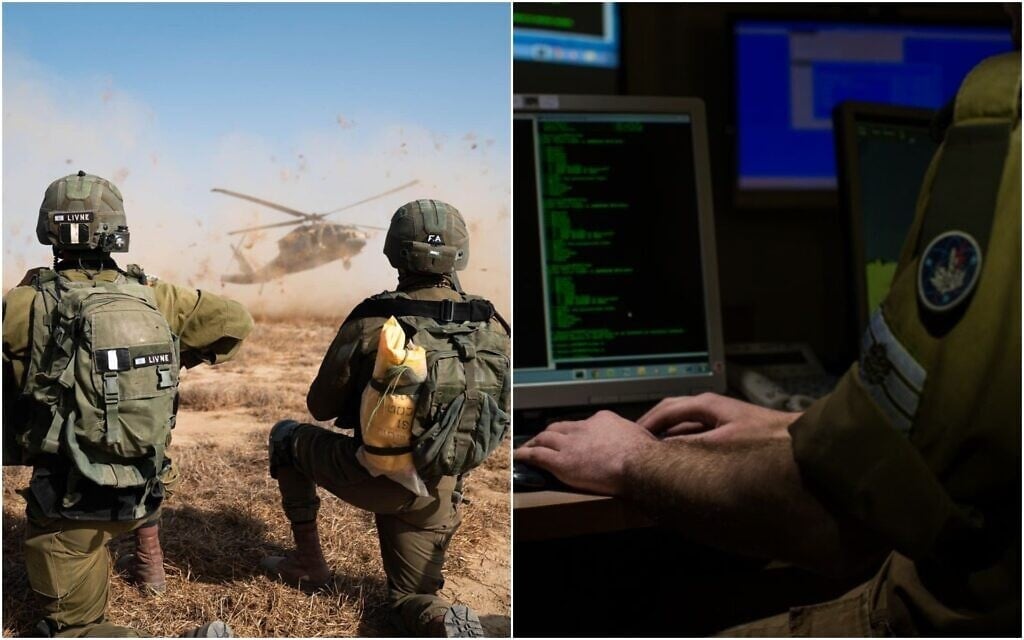
How Israel’s Military Drives Innovation for Security and Global Leadership
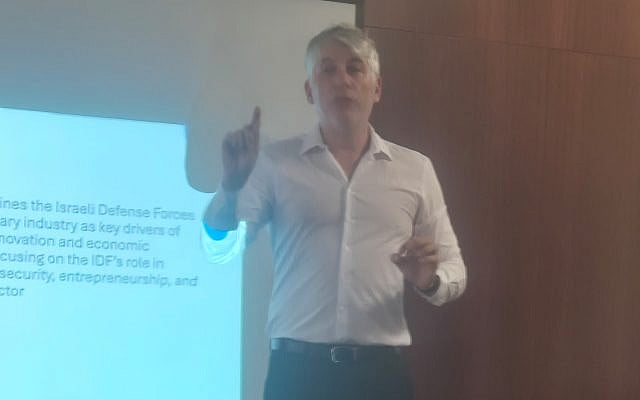
For so long, I have been an admirer of the Israel Defense Forces (IDF). My admiration goes beyond their military prowess; it stretches to their contribution to Israel’s technological and economic miracles. Recently, I had the privilege of hearing Dr. Gavin Suss present his paper on the role of the IDF in fostering Israel’s technological innovation at a conference I chaired in Lisbon, Portugal. And I must admit, it is not every day that I sit in awe, not out of surprise, but out of profound respect.
Dr. Suss, a professor at the College of Management Academic Studies in Rishon LeZion, Israel, whose son recently graduated from a military college, dived deep into how the IDF has been instrumental not just in ensuring Israel’s survival but in shaping its global technological leadership. Israel, despite its size and complex geopolitical landscape, has consistently punched above its weight in the high-tech sector. Much of this success can be credited to the IDF, which, over decades, has seamlessly integrated military needs with technological and economic growth.
This connection between defense and innovation is not incidental. Israel’s military challenges have given rise to a culture of technological excellence and problem-solving. The phrase “Every generation, they try to destroy us” captures not only the existential struggles Israel has faced but also the resilience that’s been etched into its military and, subsequently, its technological culture. The IDF has been a nurturing ground for not only soldiers but also entrepreneurs, problem solvers, and technological pioneers.
Dr. Suss’s paper focuses on the role of elite IDF units like Unit 8200, Mamram, and Talpiot. These units, known for their high-level technological training, have been pivotal in developing Israel’s world-renowned cybersecurity infrastructure and entrepreneurial spirit. They do not just serve as the backbone of Israel’s defense; they have cultivated the next generation of tech innovators.
It is fascinating how the IDF’s structured environment nurtures creativity and fosters an entrepreneurial mindset. The military is often seen as a place where strict rules dominate, but in the IDF, the pressure of survival combined with the need for innovation has fostered an environment where creativity thrives. It is no coincidence that Israel has more tech startups per capita than any other country, and many of them are founded by IDF veterans. In fact, as Dr. Suss highlighted, IDF veterans have been responsible for founding some of Israel’s most successful companies, including Check Point Software, Waze, and many more. These companies are now global giants in cybersecurity, software, and artificial intelligence.
This relationship between military service and entrepreneurship is not just theoretical. It is backed by concrete data. According to research presented by Dr. Suss, the odds of IDF veterans founding unicorns – startups valued at over $1 billion – are nearly three times higher than those of any other military or government veteran. The fact that these veterans are not just soldiers but highly skilled technological experts speaks to the IDF’s unique ability to mold individuals who excel in high-pressure environments and have the creativity to develop solutions to complex problems.
The IDF’s role extends far beyond training individuals. It has been a catalyst for technological transfer, taking innovations developed for military purposes and transitioning them into the civilian sector. For example, Israel’s Iron Dome missile defense system, which was developed by the IDF and Israel’s military industries, has revolutionized defense technology worldwide. But it does not stop there. These advancements in defense technology often find applications in civilian fields like agriculture, healthcare, and transportation.
The concept of “dual-use technology” – military technologies that also have civilian applications – is a hallmark of Israel’s innovation ecosystem. Take, for instance, Israel’s leadership in cybersecurity. While the IDF has been at the forefront of cyber defense, its military units like Unit 8200 have been instrumental in developing solutions that protect Israel’s infrastructure and businesses. Many of Israel’s most prominent cybersecurity companies, like Cybereason and Wiz, were founded by Unit 8200 alumni.
The IDF’s focus on nurturing talent within its ranks does not just benefit Israel’s defense strategy; it drives Israel’s economic success. The connection between Israel’s security needs and its economic growth is undeniable. The high-tech sector, which accounts for a significant portion of Israel’s GDP, continues to thrive thanks to the IDF’s technological contributions. This sector does not just employ thousands of Israelis; it also attracts international investment and strategic partnerships, strengthening Israel’s position as a global leader in technology and innovation.
What makes this all the more compelling is how the IDF embodies Israel’s broader theme of resilience and renewal. The country’s survival against the odds has fostered a mindset of constant innovation and improvement. The IDF, far from being just a military force, is a critical pillar of Israel’s technological and economic infrastructure. The connection between national security and economic growth is clear: by developing cutting-edge technologies for defense, Israel has positioned itself as a leader in global technology and entrepreneurship.
In the face of growing challenges, Israel’s resilience continues to inspire. The IDF’s ability to turn military necessity into a technological advantage is a model for other nations facing similar pressures. The innovations that have come out of the IDF have not only ensured Israel’s survival but have also enabled the country to thrive economically and technologically.
As we look to the future, it is clear that the IDF will continue to play a critical role in shaping Israel’s technological landscape. With elite units like Unit 8200, Mamram, and Talpiot continuing to innovate, the IDF will remain a driving force behind Israel’s emergence as a global tech powerhouse. And as Israel moves forward, its blend of resilience and renewal, driven by the IDF, will continue to be a source of inspiration and a testament to the power of innovation in the face of adversity.
Israel’s story is one of overcoming the impossible, and the IDF has been at the heart of that narrative – innovating, leading, and inspiring the future of global technology.