
TRAVEL FLASH TIPS ON THE TIMES OF ISRAEL
In Copernicus’ Orbit at Poland’s Masurian Lakes with Hampton
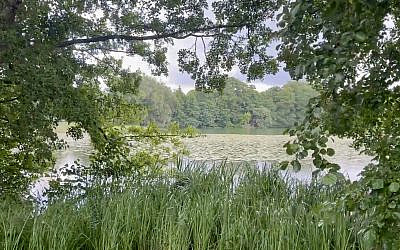
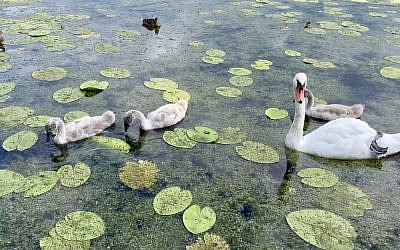
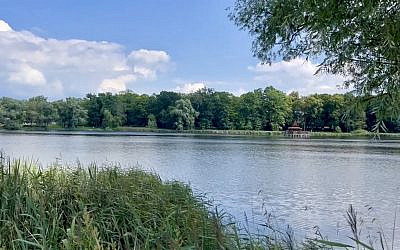
The Masurian Lakes in northeastern Poland are a dreamscape for anyone who loves the slow rhythm of nature. Stretching across a vast, undulating landscape, this “Land of a Thousand Lakes” is, in fact, home to more than two thousand shimmering bodies of water, each cradled by dense forests and rolling meadows. Villages along the way offer quiet charm, with red-roofed cottages and wooden piers providing the perfect counterpoint to the endless blue.
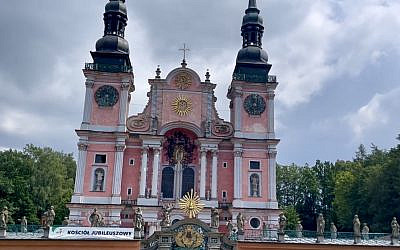
It’s easy to lose track of time here, drifting from one lake to another, each with its own mood. Some are lively with kayakers and families, while others are so remote that the only sound is the wind in the birches. We explored charming towns like Mikołajki, Giżycko, Mrągowo and Ketzryn, enjoying their relaxed countryside atmosphere. As the last light fades and the water turns deep indigo, the Masurian Lakes feel like a place suspended between earth and sky, untouched, unhurried, and quietly unforgettable.
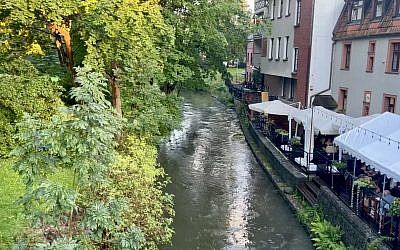
We based ourselves in Olsztyn, a lively gateway to the region where medieval brick walls meet café-lined streets. Every morning we were heading out along winding roads that led to hidden lakes and swimming spots. Locals are quick to point out their favorite swimming spots – small, sandy inlets where the water is as clear as glass and the summer sun lingers long into the evening.
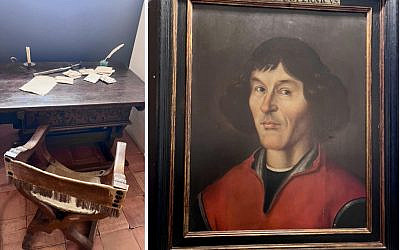
Olsztyn, the unofficial capital of the Masurian region, blends the serenity of a lakeside escape with a fascinating touch of history. Its cobbled streets wind past Gothic brick towers, old town gates, and a 14th-century castle that once housed a man whose ideas would change the way we see the universe – Nicolaus Copernicus. The astronomer served here as administrator of the Warmian chapter, overseeing the land while refining his revolutionary theories about planetary motion. Walking through the castle’s vaulted halls, one can almost imagine him pacing slowly, lost in calculations that would one day challenge centuries of belief. Yes. Earth does revolve the sun.
The city embraces this legacy of curiosity and exploration. Murals, sculptures, and subtle details throughout Olsztyn pay tribute to Copernicus, weaving his story into the everyday life of the place. A large bronze statue of the astronomer stands proudly near the castle, a reminder that even in a small corner of what was once remote Warmia, the seeds of groundbreaking thought could flourish.
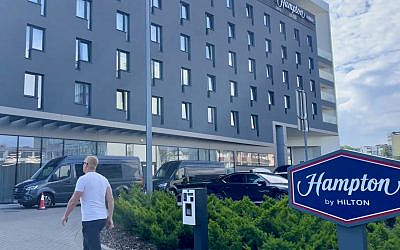
It was also a golden opportunity to experience Hampton by Hilton hospitality in northern Poland. Founded as Hampton Inn in 1984 in the USA, the brand built its reputation by offering dependable service in the budget-to-upper-midscale segment. Under the Hilton umbrella since 1999, it has grown into a global powerhouse, with more than 3,100 properties across 43 countries as of 2025. The brand is celebrated for its simple, well-designed guest experience. Recently, Bloomberg reported that Hampton has become a significant profit driver for Hilton, thanks to a value-focused model. According to Bloomberg, Hampton sold nearly 90 million room nights last year, surpassing its closest competitor, Holiday Inn Express.
Our Hampton in Olsztyn welcomed us with a lobby of fluid curves, ambient lighting, and open communal seating, a space as comfortable as it is stylish. The guest rooms followed the same philosophy of refined simplicity, offering neutral palettes and plush beds.
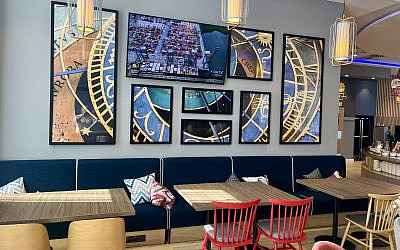
“This hotel is the first property of a global brand in this city of 170,000 residents, and it opened in 2021 with 105 rooms,” says the pleasant General Manager, Barbara Pawliczuk. We were particularly taken with the unique design inspired by Copernicus’s heritage. From the moment we stepped into the hotel to the moment we closed our eyes at night. The décor draws inspiration from space, stars, and planetary orbits, blending science, symbolism, and aesthetics. Graceful cosmic geometry, circular trajectories, spirals, and radiating patterns, evokes harmony and balance. Concentric rings as a motif in corridor carpets were associated with planetary paths. Clusters of points hint at star fields, and radiant shaped illumination recalls the sun and other luminous bodies. Copernicus would have been pleased. The result is extraordinary and unique.

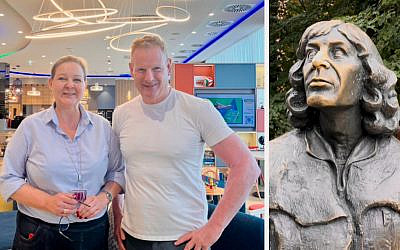
“The Hilton brand is well-known and attracts a large number of international tourists,” explains Pawliczuk. “Today’s guests are not looking for formality or distance. On the contrary, a relaxed atmosphere and open spaces encourage interaction among both guests and with our team members. With children under 18 staying free of charge it becomes a valuable benefit. Group travelers, tour operators, and corporate clients who work with Hilton worldwide enjoy extensive Hampton spread across Poland. The brand’s strong marketing capabilities and its Hilton Honors loyalty program provides an outstanding platform for our success in Poland and here in Olsztyn in particular.”
Poland now boasts a surprising number of Hamptons, with 20 properties spread across at least 15 different cities. Almost all operate under franchise agreements with Polish entrepreneurs.
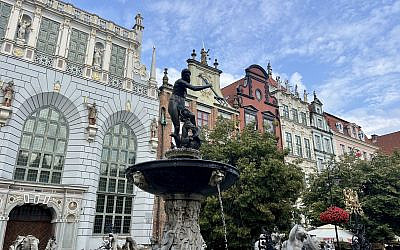
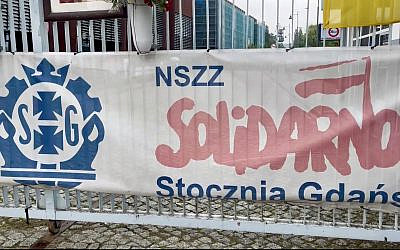
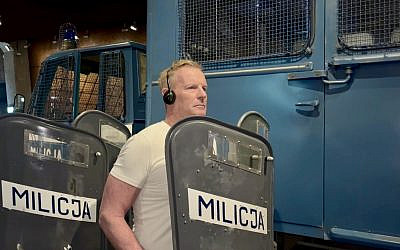
We couldn’t resist a visit to Gdańsk, perched on Poland’s Baltic coast, a city rich in maritime history and striking architecture. Its Main Town is lined with colorful, ornate facades along the Long Market, leading to the iconic Neptune Fountain and the Gothic-style St. Mary’s Church, one of the largest brick churches in the world. It was pure pleasure to stroll along the city’s waterfront, anchored by the medieval Crane with charming views over the Motława River. Museums such as the European Solidarity Centre tell the story of the movement that reshaped modern Europe. An experience not to be missed. Blending history, culture, and seaside charm, Gdańsk is both a living museum and a vibrant, modern city.
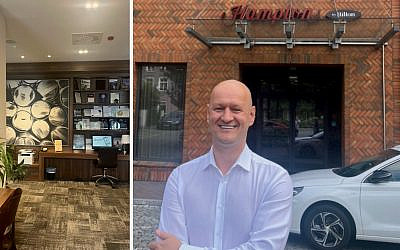
Here we also enjoyed a Hampton experience, at a property in the Old Town housed in a former cinema that was beloved by locals for decades. Curious again about the brand’s success in Poland, I asked General Manager Daniel Danielewicz for his thoughts. “The reason for this boom lies in the potential for high profitability for property owners,” he explains. “In Poland, the brand is presented as a 3-star category, which is highly attractive for private hoteliers. On one hand, the hotels maintain a very high standard. Our mattresses are made by the same supplier as the Waldorf Astoria brand. On the other hand, we operate with relatively small staffing, – loyal, hard working and friendly- to ensure profilability.”
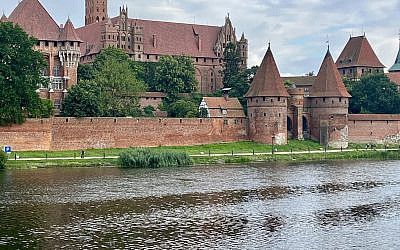
Northern Poland never ceases to amaze. On our way back to Olsztyn and the Masurian Lakes, we stopped at the remarkable Malbork Castle. It is the largest brick castle in the world and one of Europe’s most impressive medieval fortresses. Built in the 13th century by the Teutonic Knights, it served as their headquarters and as a symbol of their military and political dominance. We explored its grand halls, chapels, armories, and courtyards. All stunning in scale and rich in detail, Malbork offers a vivid journey back into the Middle Ages.

Olsztyn hosted us gracefully for one last night. A city most readers have probably never heard of, yet one that is hard to leave behind. Northern Poland definitely proved to be a surprising destination to cherish.
Related Topics