A journalist who wrote for Times of Israel, Jerusalem Post, and other publications
In Moldova, new textbook praises fascist dictator
Today marks 80 years since the execution of Romanian fascist leader Ion Antonescu for war crimes – including his responsibility for the deaths of hundreds of thousands of Jews during the Holocaust.
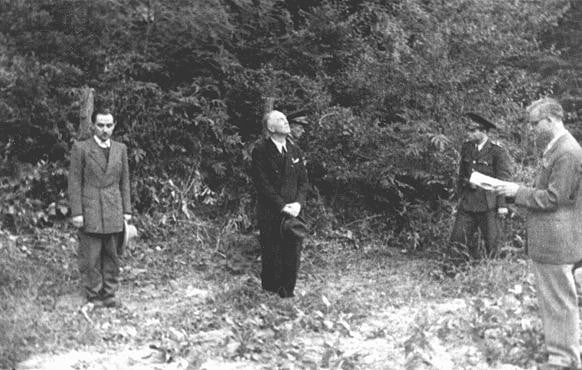
Yet in Moldova, which was under Romanian control during WWII, some still see Hitler’s ally as a positive historical figure.
The new history textbook, published by the Ministry of Education of Moldova for 12th grade students, praises the fascist dictator’s economic achievements while minimizing his responsibility for the Holocaust.
“The disciplined leadership of the nation under Ion Antonescu, which focused on moral cleansing and the advancement of qualified personnel (most of whom had brilliant military careers) had a significant positive effect on the development of the region,” say the authors of the “History of Romania and Universal History” textbook in the chapter about Moldova during WWII.
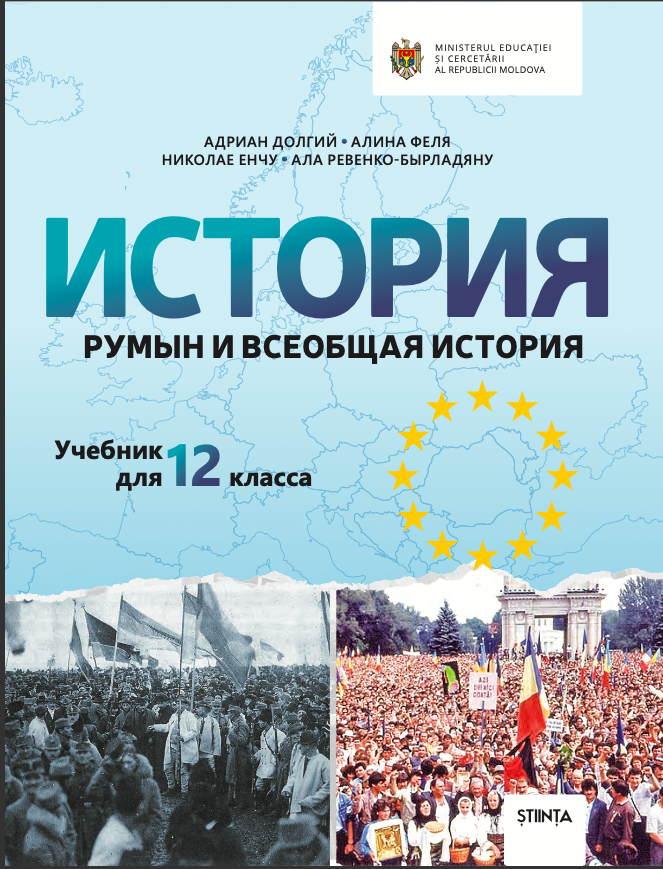
The textbook goes on to describe the other so-called positive achievements of the fascist regime such as facilitating “the process of Romanization in the workforce, encouraging rural residents to go into careers which had previously been associated with foreign elements,” and undertaking the work “to identify, make an inventory of, manage, and appraise the property that passed into state ownership.”
The textbook does not explain what it means by “the foreign elements” who controlled jobs or why there was property that needed to be appraised and managed, but I deduce that the “Romanization of the workforce” refers to putting ethnic Romanians into positions that had been occupied by Jews and that the property that passed into state ownership refers to the property that was stolen from the Jews who had been deported to ghettos and camps.
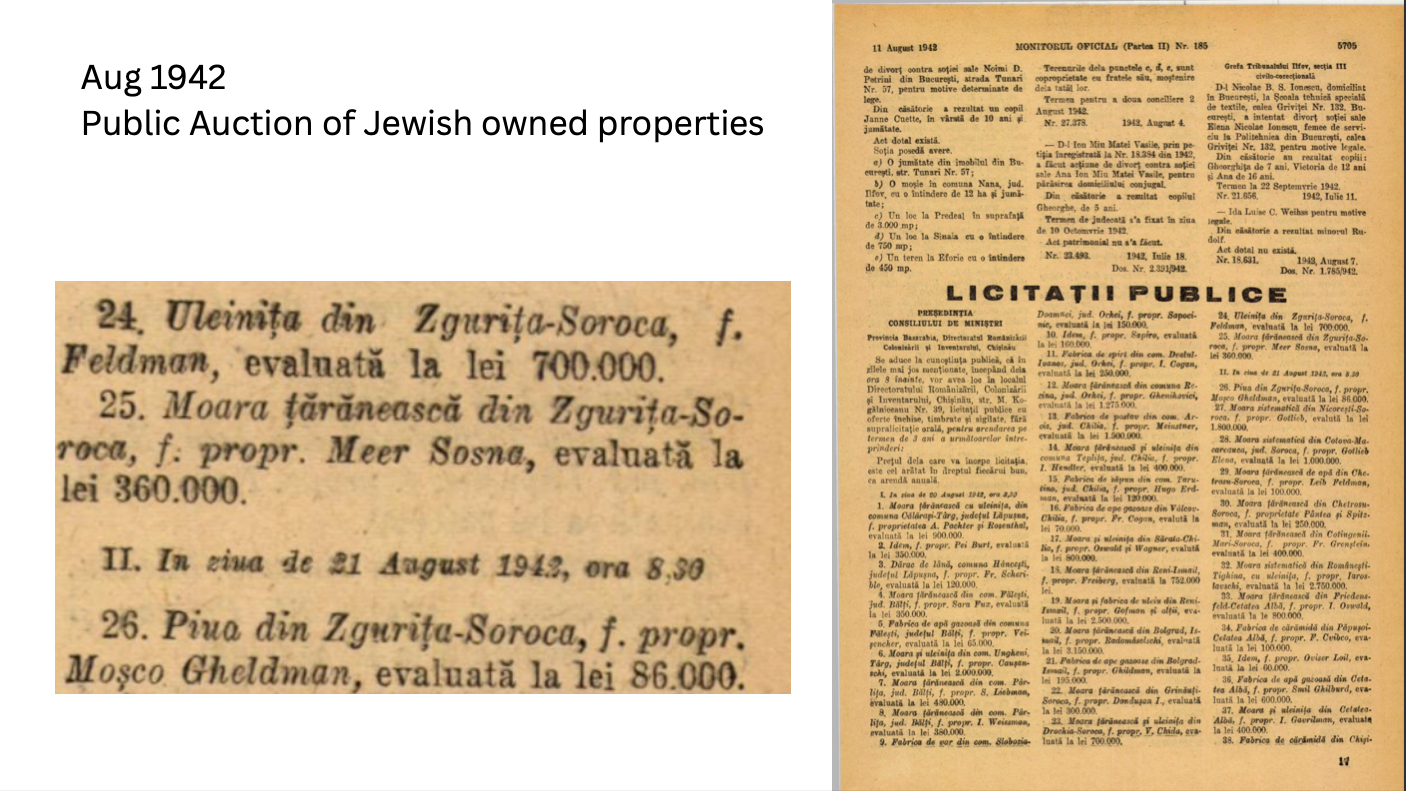
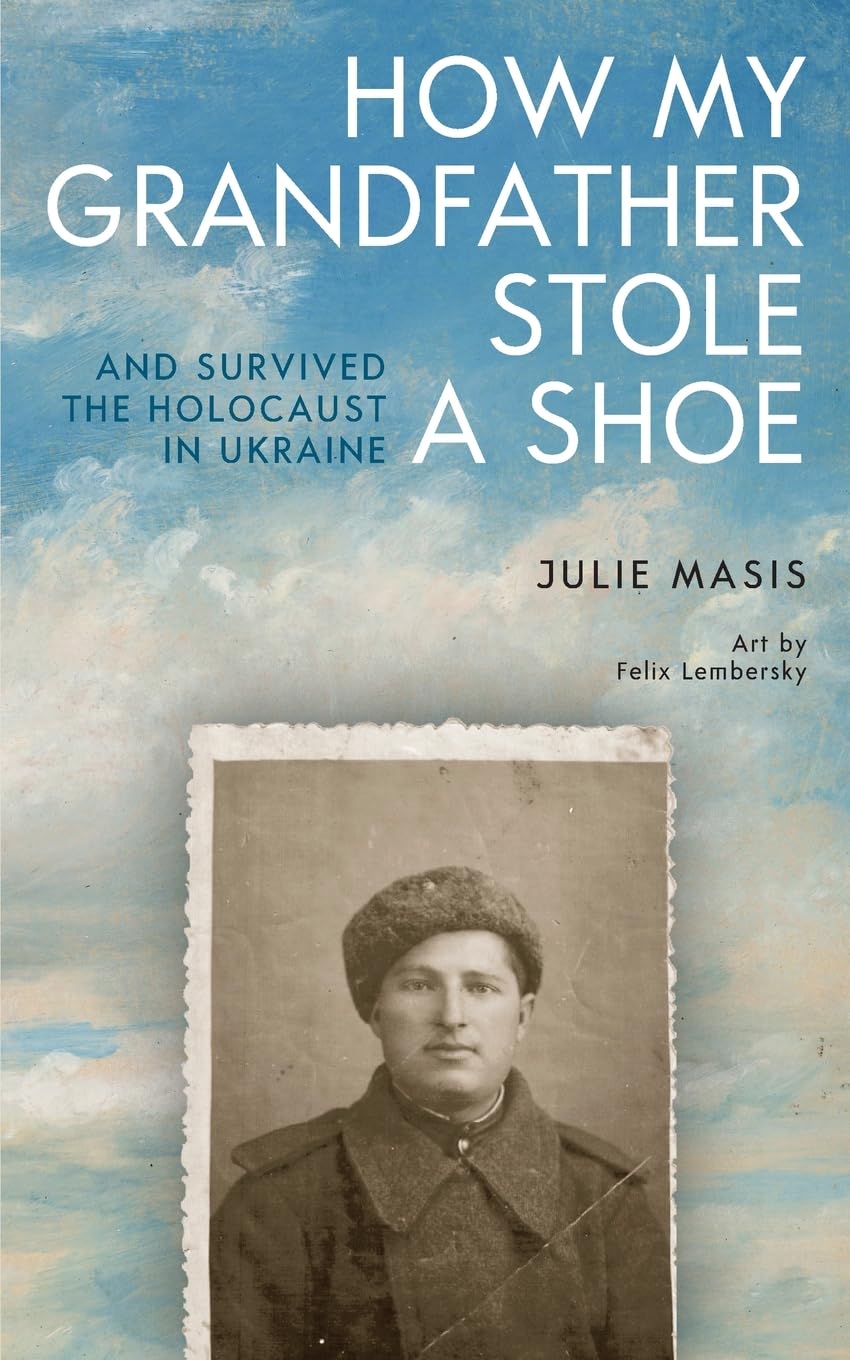
When doing research for my book, “How My Grandfather Stole a Shoe and Survived the Holocaust in Ukraine,” I discovered that Romanian wartime newspapers were publishing long lists of properties that had previously been owned by Jews, including their value and the names of the previous owners – and that they were holding public auctions of these properties.
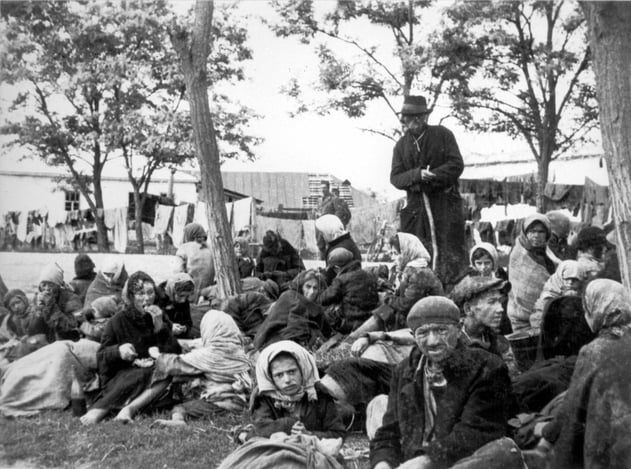
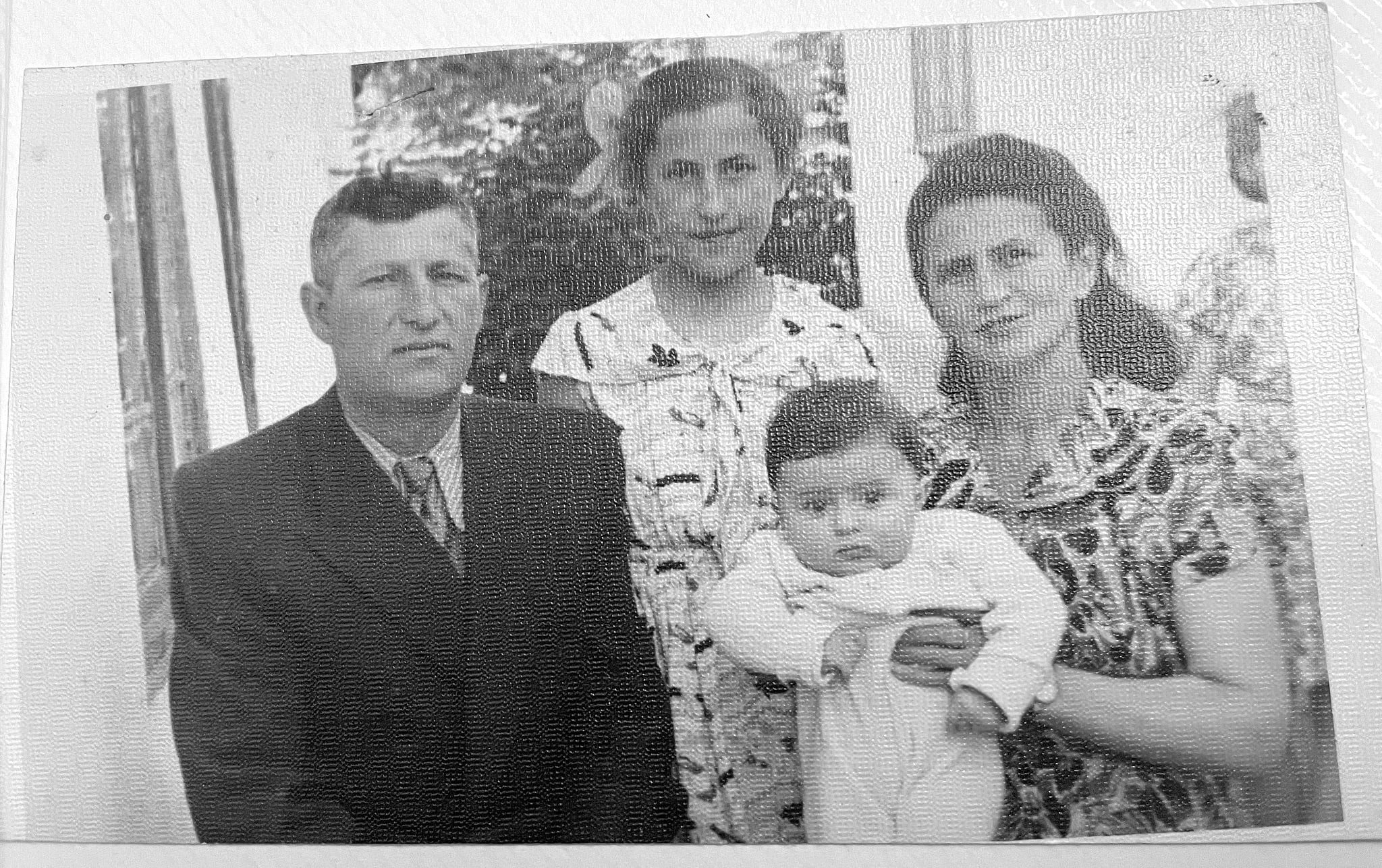
My grandfather and my grandmother survived the war in Romanian Transnistria, a region of Ukraine that was under Romanian control during the war. My grandfather’s older brother and his father both died from starvation and illness after being deported from their village in Moldova, while my grandfather’s youngest brother was killed by a Romanian soldier on the road. My grandmother’s mother and father both starved to the death in the same camp in Obodovka, Ukraine.
In the stories my grandparents told about this terrible time in their lives, they didn’t mention Ion Antonescu.
Instead, they talked about the kind people who helped them. A German medic, allegedly, saved my grandmother’s life by secretly taking her out of the Obodovka ghetto. An elderly Ukrainian couple waited for my grandfather with breakfast every morning, when he snuck out of the ghetto before sunrise.
But it was Antonescu who pulled the strings.
Antonescu gave the order to throw the Jews of Moldova out of their homes and villages. He gave the order to deport them, on foot – without any food or shelter being provided along the way. Antonescu was the one who ordered Romanian soldiers to shoot anyone who became too weak or too ill to walk.
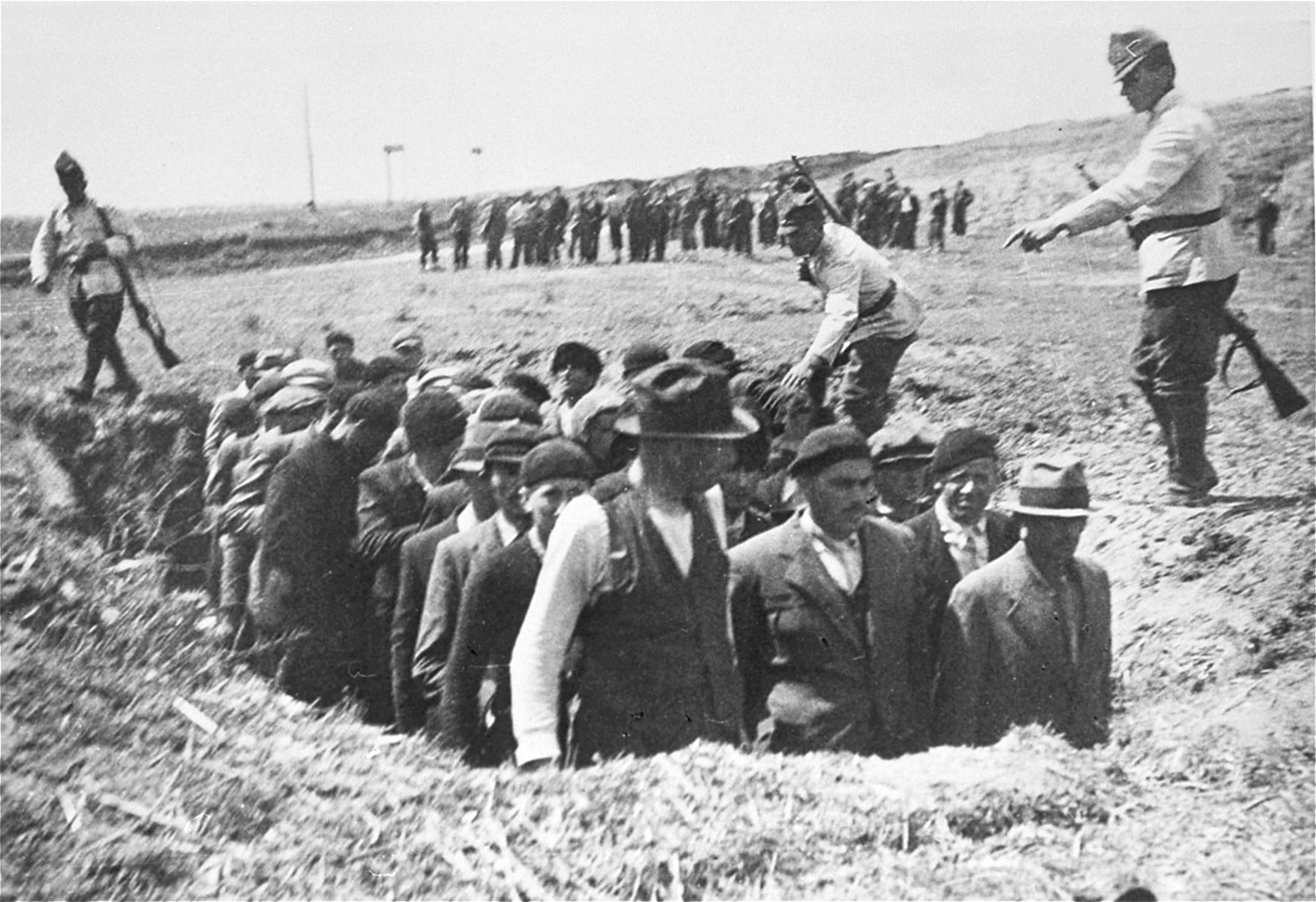
My grandmother almost became one of those who was shot on the road. During the night, when the deportees were forced to sleep outdoors, a Romanian guard forbid them from lighting fires to keep warm. Many froze to death, and my grandmother’s feet became frostbitten. When she could no longer walk, her father carried her on his back.
It is estimated that only 10 to 15 percent of the Jews of Moldova survived this deportation to Transnistria.
For the Jews of Odessa the situation was even worse. Of those who did not flee ahead of the Romanian forces, it is estimated that only between 1 and 3 percent were still alive at the end of the war.
Yet the fate of the Jews, who constituted about ten percent of Moldova’s population before the war, does not seem to interest the authors of the history textbook.
After four pages discussing the positive economic developments in Moldova during Romanian fascist rule, the book apologetically states, in one paragraph that “the administration by the Romanian authorities was marred by crimes stemming from the region’s use as a site for the deportation and repression of Jews and Roma.”
This paragraph (which does not mention the number of the Jews killed or deported) is then followed by two paragraphs about the positive achievements of the Antonescu regime: the destruction of communist propaganda in schools and the reopening of Christian churches on territories that had been under Soviet rule. The number of destroyed, partially destroyed and desecrated churches is provided, as well as the number of churches and monasteries that were reopened during the first year of Romanian rule, and each of the churches is named.
Evidentially, it was more important for the authors of the textbook to inform children about the number of churches that were destroyed, than about the number of people who were murdered.
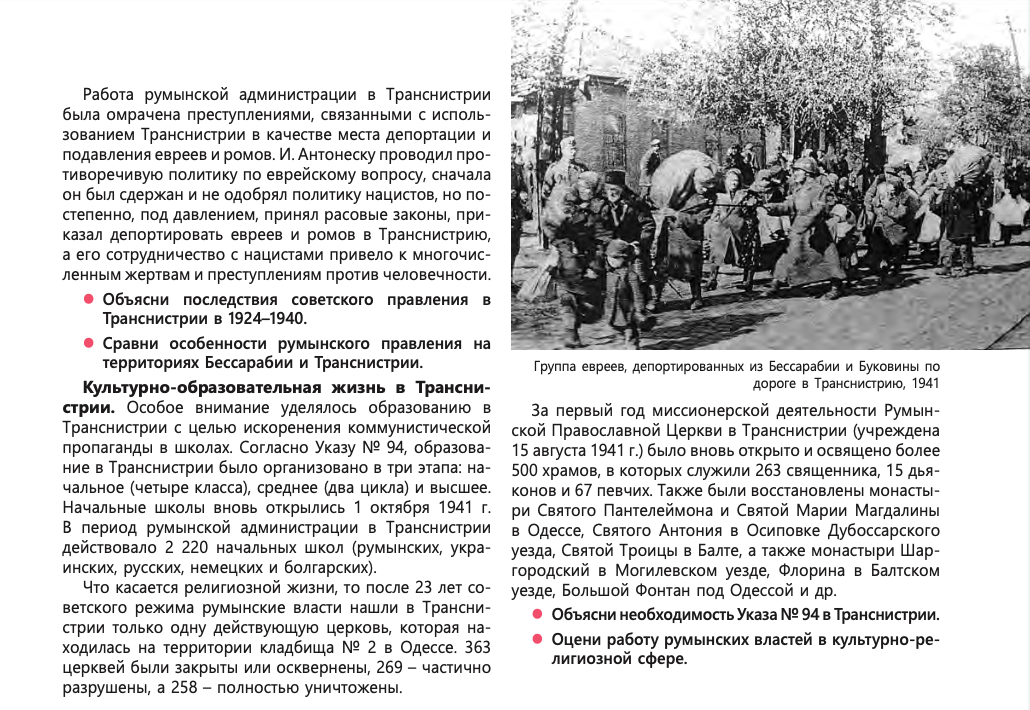
Indeed, while the book devotes 40 pages to WWII, the Holocaust is mentioned only briefly.
There is not a single photo or personal story in the textbook from a Holocaust survivor, from a ghetto or a concentration camp – while there are many photos and stories about those who suffered from the Soviet regime.
The textbook does have a separate chapter named “Crimes Against Humanity: Gulag, Holocaust, Katyn.” In this chapter, the crimes of the Nazis are equated to the crimes of the Soviets, and the murder of millions of civilians in gas chambers is mashed together with the massacre of 22,000 soldiers by the Soviets. One is only left to wonder about why the authors of the textbook decided to include Katyn, but forgot to mention Babyn Yar (where the Nazis murdered 100,000 civilians, most of them Jews) or the Nazi Blockade of Leningrad, in which a million people starved to death.
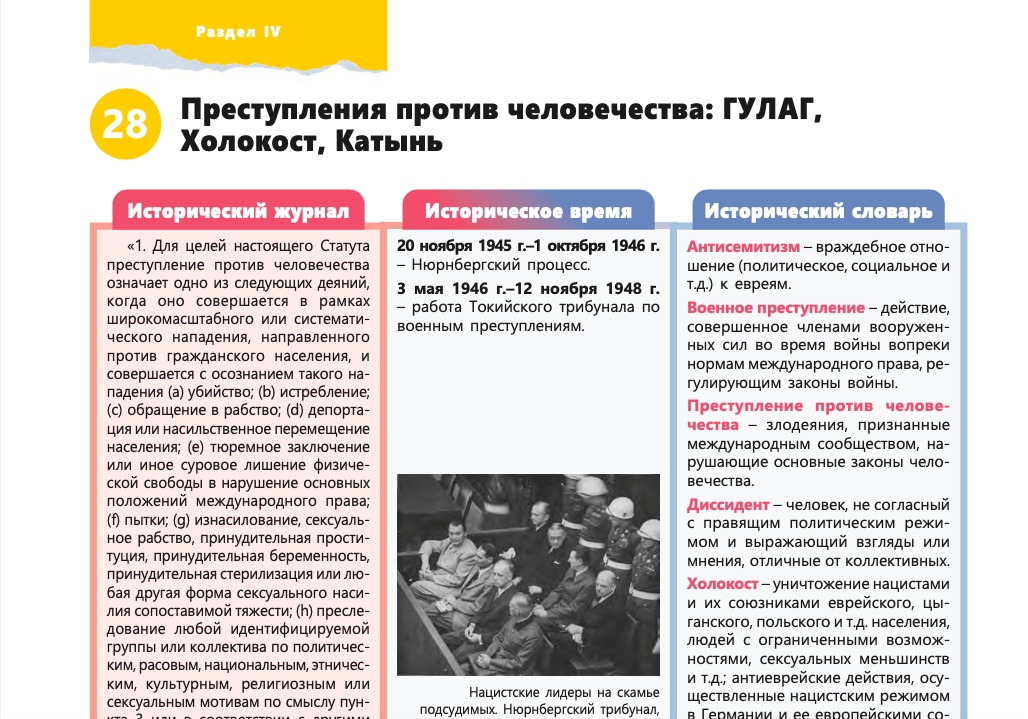
Overall, this textbook gives the impression of covering WWII history from the point of view of the Axis powers. They focus on the crimes of the Soviet Union, while skipping over the crimes of the Nazis. It almost seems that the authors of the book regret that Germany lost the war.
A few months ago, I gave a presentation about my book to the Jewish Museum of Moldova in honor of Holocaust Remembrance Day. The director of the museum, Irina Shihova, surprised me when she said that my book is one of the first that describes what happened to Jews of Moldova during the Holocaust from the point of view of Jewish survivor (rather than from the point of view of a Romanian scholar or historian).
“A Romanian translation is absolutely necessary,” she said to me.
Only now, having seen the textbook that the children in Moldova use to study history, I understood what she meant.
Related Topics
Related Posts