In Support of Alon Ohel and the Other Hostages

Alon Ohel is a young Israeli-German pianist who loves to play Debussy’s “Clair de Lune”. Today marks exactly two years since he was captured by Hamas, living under unimaginable conditions, completely cut off from the outside world, and unable to play the piano. No journalists have taken photos of him during these two years; only propaganda videos by his captors exist.
731 days in isolation, without the ability to play the piano or even to listen to the music he loves, and without connection to his family.
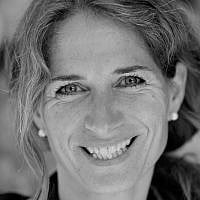
I dedicate this simple photo I took in Vence, in the South of France, to Alon Ohel and the remaining Israeli hostages, and to all those still healing from the wounds caused by the events of October 7, 2023. This is my message from one music lover to another. May it protect you, Alon, and the others, and safely bring you home.
And here is a live performance by Khatia Buniatishvili playing Debussy’s “Clair de Lune” for you:
Khatia Buniatishvili – Debussy: Clair de Lune (LIVE) – YouTube
I also understand that today, marking the second anniversary of October 7, 2023, is likely a particularly difficult day for the descendants of Holocaust Survivors. For those seeking support, there is an online discussion group called Roots of Resilience, led by therapist Kathleen Treibwasser, LMFT.
Roots of Resilience – Telling
Wednesdays, online, 7 pm EST
Beginning October 8
RSVP today!
Roots of Resilience is a discussion space for children and grandchildren of Holocaust survivors, providing a safe, supportive space for dialogue, reflection, and connection.
“This is a place for you, your memories, your growth in healing and strength, l’dor v’dor.” – Kathy Treibwasser
For more information or to RSVP, please get in touch with Stacey Goldring:
Email: info@searchingforidentity.org
Phone: 904.775.1769
Having said this, I also wish to acknowledge the descendants of the Nazi’s Aktion T-4 victims, such as Andreas Hechler, who lost his great-grandmother in Hadamar. I feel their experiences and historical suffering deserve greater recognition and support, as members of their families, like the hostages, were completely cut off, intentionally starved, abused, killed, and silenced for so long, and largely forgotten. They often lack similar support systems and media representation in Germany, especially in important public discussions. This constant invisibility is not just a form of discrimination, but also deeply harmful.
Here is some more information.