
India’s play in Iran isn’t against Israel’s interests
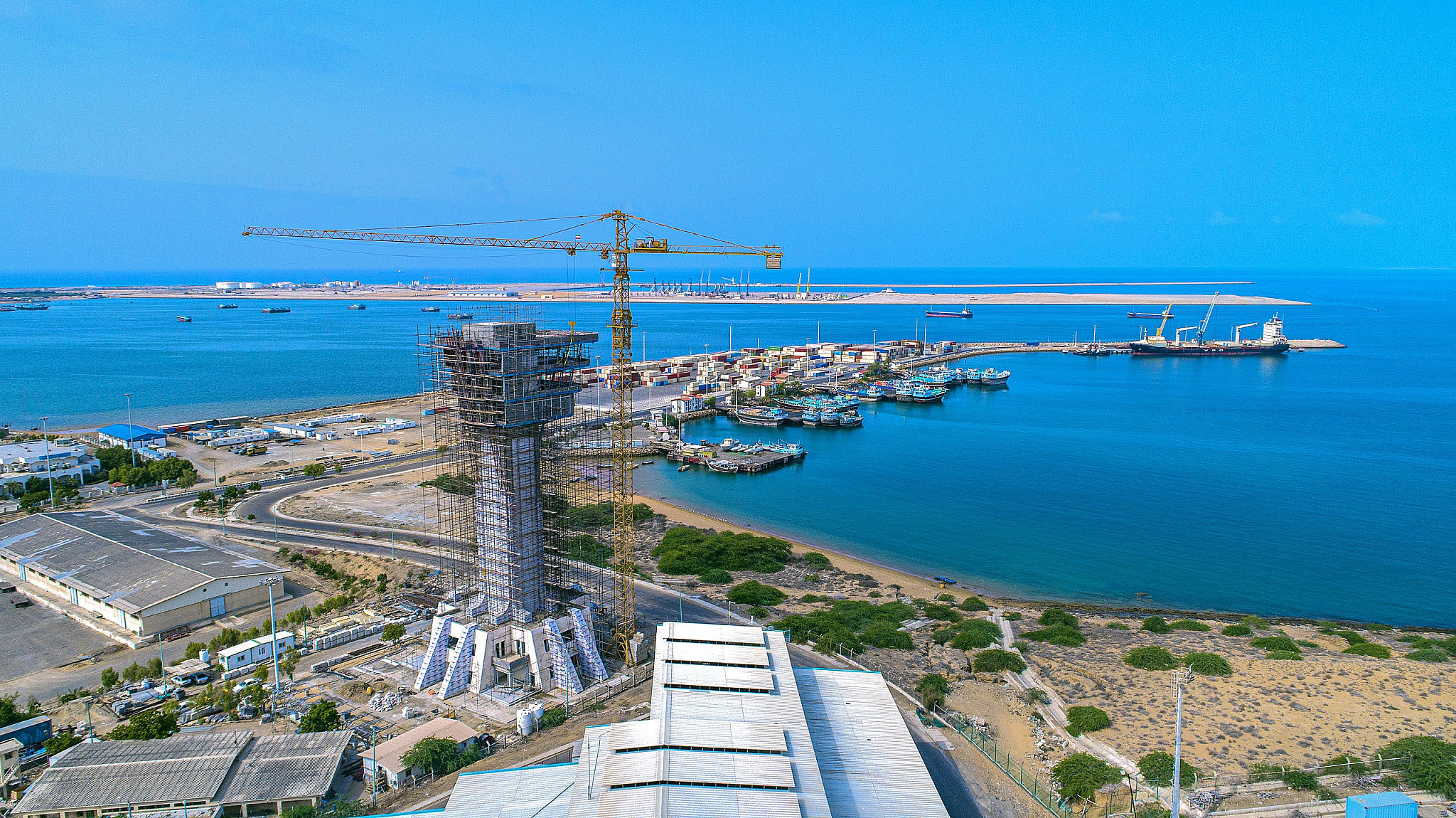
Iran sits astride the Persian Gulf. Its geographical location makes it an important transit point and as a port to engage in bilateral trade. Chabahar Port located in south-eastern Iran’s Sistan-Baluchistan province is a deep-water port that stands as the only Iranian port directly connected to the ocean. It is this port which recently witnessed the signing of a 10-year bilateral agreement between India and Iran for its operations. This pact marks not only a significant milestone in the bilateral relations but is also a crucial step towards regional economic integration and connectivity, paving the way for increased global trade, and investments. The Port also has the strategic significance of giving India access to Afghanistan and allowing access to Central Asia. The long-term agreement between India and Iran for the development of Shahid Beheshti Port Terminal marks a significant milestone and is expected to boost trade to unprecedented levels in the coming years.
Interestingly, even Zabihullah Mujahid, the Taliban spokesperson has voiced strong support for the Chabahar Port, terming it an alternative to Pakistan’s Karachi Port for Afghanistan’s trade needs. He stated “Afghanistan heavily relies on Pakistani ports like Karachi for its imports and exports. However, Chabahar offers an alternative route, reducing Afghanistan’s dependence on a single corridor and enhancing its economic independence.” A day after the US warned of “potential risk of sanctions” after India inked a 10-year agreement for running the Chabahar Port, Dr. S. Jaishankar, India’s Foreign Minister emphasised that the project would benefit the entire region and the US should not take a “narrow view” of it. He noted that the US itself had appreciated the larger relevance of Chabahar in the past.
According to the contract signed between India and Iran, the Indian company Indian Ports Global Limited (IPGL) will commit to further equipping and operating the port. The contract is renewable once the initial 10-year period comes to an end. IPGL plans to invest around US$ 120 million to enhance the Port’s capabilities. Additionally, India has extended an INR credit window worth US$ 250 million, specifically for collaborative projects aimed at enhancing the Chabahar Port. The timing of this agreement is significant as both countries have worked incessantly to enable forward movement for over a decade. One of the sticking points in recent discussions was that Iran was not in favour of an international arbitration framework, saying it required a constitutional amendment. India and Iran mutually agreed that matters requiring arbitration on Chabahar port operations will be referred to a three-member arbitration tribunal based in Muscat in accordance with the Singapore International Arbitration Centre.
By way of background, it may be mentioned that in 2012, the first trilateral meeting between India, Iran, and Afghanistan took place to accelerate investments in trade and transit, particularly through Chabahar. A year later, India pledged investments of US$ 100 million for Chabahar. In 2015, India and Iran signed a bilateral agreement where India pledged to invest US$ 500 million to upgrade one berth (Shahid Beheshti terminal) in Chabahar and build a 600-meter-long container handling facility. The name “Chabahar” is a combination of two Persian words, with “Chahar” meaning four and “bahar” meaning spring. This port is divided into two distinct sections: Shahid Kalantari and Shahid Beheshti.
In 2016, a trilateral agreement was reached involving India, Iran, and Afghanistan to create the International Transport and Transit Corridor, connecting India to Central Asia, Europe, Afghanistan, and beyond. This led to the initiation of the port’s development, with the inauguration of the first phase. Two years later, IPGL took over a portion of Chabahar’s operations. Since then, India has overseen the handling of over 90,000 TEUs of container traffic and more than 8.4 MMT of bulk and general cargo. The port has also played a vital role in helping the distribution of humanitarian assistance, especially during the Covid-19 pandemic. Last year, India used the port to send 40,000 tonnes of wheat as aid to Afghanistan. In 2021, it supplied environment-friendly pesticides to Iran.
In addition, Chabahar is envisaged as a crucial link in the eastern route of the International North-South Transport Corridor (INSTC), facilitating the movement of goods between India and Central Asian countries. This collaboration between India and Iran on developing infrastructure and logistics along the 7,200-km INSTC aims to reduce transportation costs and time, promoting trade between these regions. This monumental contract would not only expand existing trade volumes but also open new trade opportunities. This contract is expected to act as a gateway to increase trade with Central Asia and Afghanistan. India’s current trade with the Central Asian Republics is around US$ 1.2 billion, out of which total exports accounted for US$ 911 million and imports were at US$ 360 million. Furthermore, in 2022-23 India’s trade with Afghanistan stood at US$ 889 million, with exports at US$ 437 million and imports at US$ 452 million. The signing of this historic agreement is anticipated to multiply trade and promote greater regional integration. In 2022-2023, India’s trade with Iran stood at US$ 2.3 billion, of which exports accounted for US$ 1.6 billion and imports stood at US$ 672 million. However, the trade trajectory is expected to flourish in coming years.
The Port has taken time to develop, partly on account of US sanctions and because both India and Iran held lengthy discussions. The Long-Term Contract for the development of Shahid Beheshti Port Terminal, Chabahar took place in Iran between IPGL and Ports and Maritime Organization (PMO) in the presence of Indian and Iranian Ministers in Iran. This contract replaces the 2016 Pact which needed to be renewed on an annual basis. Sarbananda Sonowal, Union Minister of Ports, Shipping and Waterways and AYUSH, led the Indian delegation, while Mehrdad Bazrpash, Minister of Roads and Urban Development led the Iranian side. The port will provide India with an opportunity to expand its investments in Iran, a crucial partner for energy security. This move will lead to a substantial decrease in India’s oil import costs and streamline trade processes by allowing direct cargo shipments to and from Iran without additional docking expenses in the UAE.
It can be said that signing of the Long-Term Contract for the development of Shahid Beheshti Port Terminal in Chabahar marks not only a significant milestone in the bilateral relations between India and Iran but is also a crucial step towards regional economic integration and connectivity. India will play a balancing act between the two countries and take proactive measures to promote global peace. This agreement solidifies the deepening partnership between India, Iran, and Central Asia and paves the way for increased global trade & investments. This long-term commitment underscores India’s dedication to fostering regional stability, resilience, and prosperity through collaborative initiatives.