
Influence Without Integrity Is Not Advocacy
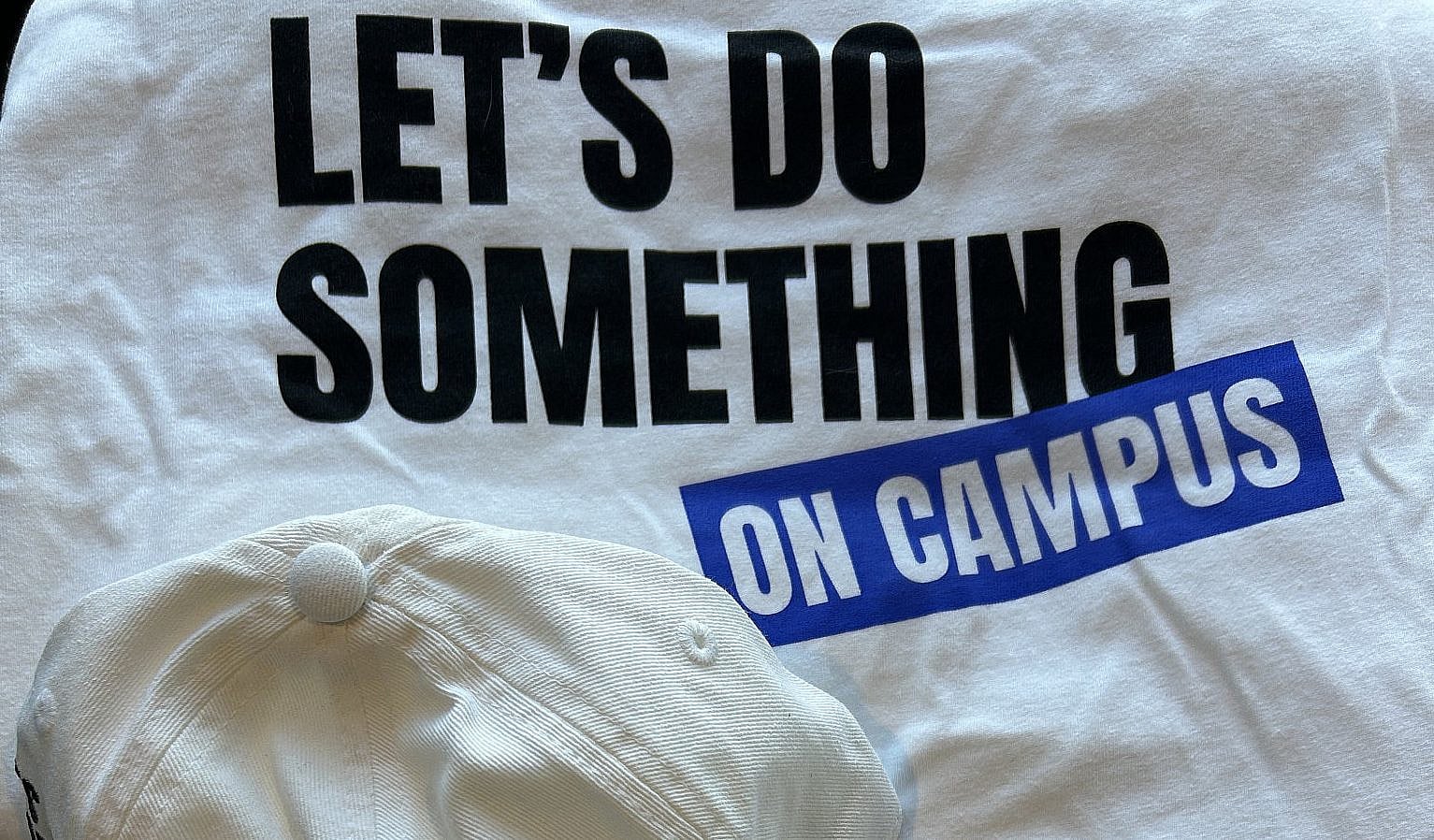
From college campuses across North America, Let’s Do Something has built its reputation by defending free speech, confronting antisemitism, and encouraging young Jews, like me, to take action. That’s why I’m so disappointed by the founders’ recent actions.
Let’s Do Something’s work has inspired me—as a pro-Israel advocate on McGill University’s campus— to share the importance of free speech and standing up for Western values, but seeing Daniel Braun and Moshe Shear surround themselves with a person like Clavicular is the embodiment of the opposite of those values, and undermines all they do. Why are respected Jewish advocates choosing to associate publicly with someone whose record reflects the very thing they claim to advocate against?
Here’s the background: Braden Eric Peters, known more widely as Clavicular, is an online streamer who reached his popularity by pioneering the trend, “Looksmaxxing.” He was openly criticized when he was seen partying in Miami with antisemitic and misogynistic influencers, Nick Fuentes and Andrew Tate, where they were dancing to Ye’s “Heil Hitler.” As the song played, they were all seen throwing up Nazi salutes with unapologetic pride across their faces. There have been serious public allegations and criticism surrounding his conduct and public persona. This wasn’t the first time Clavicular got in trouble. In 2025, Clavicular allegedly gave alcohol to and then sexually assaulted a minor while she was incapacitated.
This is not about denying anyone the opportunity to visit Israel, it is about choosing to publicly celebrate or promote someone whose reputation raises significant ethical questions. Every partnership communicates something about an organization’s values, so what does that say about Let’s Do Something, an organization that has an extensive reach into the advocacy networks, particularly on university campuses, including on my own campus, McGill.
Earlier this year, Let’s Do Something unveiled the beginnings of a new program, where they encourage ambassadors on each college campus to film a video interacting with the student body while using the Let’s Do Something signature format of “Answer Three Questions and Win $100.” At McGill, Let’s Do Something featured a well-known student advocate and this video helped share the views held by the diverse student population at McGill.
Advocacy is about standing up for what is right and what you believe in, not chasing views or clout, or posing with a controversial influencer in order to get your fifteen minutes of fame. Jewish advocacy organizations put an emphasis on integrity, accountability, and a moral compass. These principals should serve as guidelines around partnerships and public engagement. As Hallel Silverman wrote in the Jerusalem Post, “Moshe and Daniel — over the weekend, in group chats and on calls, you told the rest of us there was ‘a greater strategy that we women don’t see because we’re emotional about sexual assault.’” In what world do we let founders of a well-known organization perpetuate demeaning statements such as this.
Let’s Do Something was founded in the wake of October 7 in memory of Moshe and Daniel’s friend David who perished at the Nova festival. For an organization that claims to stand against hatred and bigotry, minimizing concerns about sexual violence would represent a profound failure of leadership. The consequences for Let’s Do Something are that they may lose their audience and cease being a role model for campus advocates like myself.
Let’s Do Something’s decision to align themselves with a person such as Clavicular will break down trust in their organization, will hurt the young leaders who look up to them for guidance, and will destroy the credibility of pro-Israel advocacy across the board. Organizations cannot ask others to judge Israel fairly while expecting their own choices to be immune from scrutiny. For nearly three years, Jewish organizations have asked universities, corporations, and governments to take antisemitism seriously. We have argued that words matter. Platforms matter.
Leadership means making difficult choices. Integrity and belief in one’s values should permeate all that we do in advocacy circles. The people organizations choose to stand beside inevitably shape how their mission is perceived. Those values are tested not when it is easy, but when standing by them comes at a cost. Influence without integrity is not leadership. It is marketing. Declining a photo opportunity or a high-profile collaboration may never generate millions of views, but integrity is worth it.