
This Way Up: Spiritual Means to Psychological Ends
Ink of the Spirit: Chinese Calligraphy and the Sacred Art of the Sofer
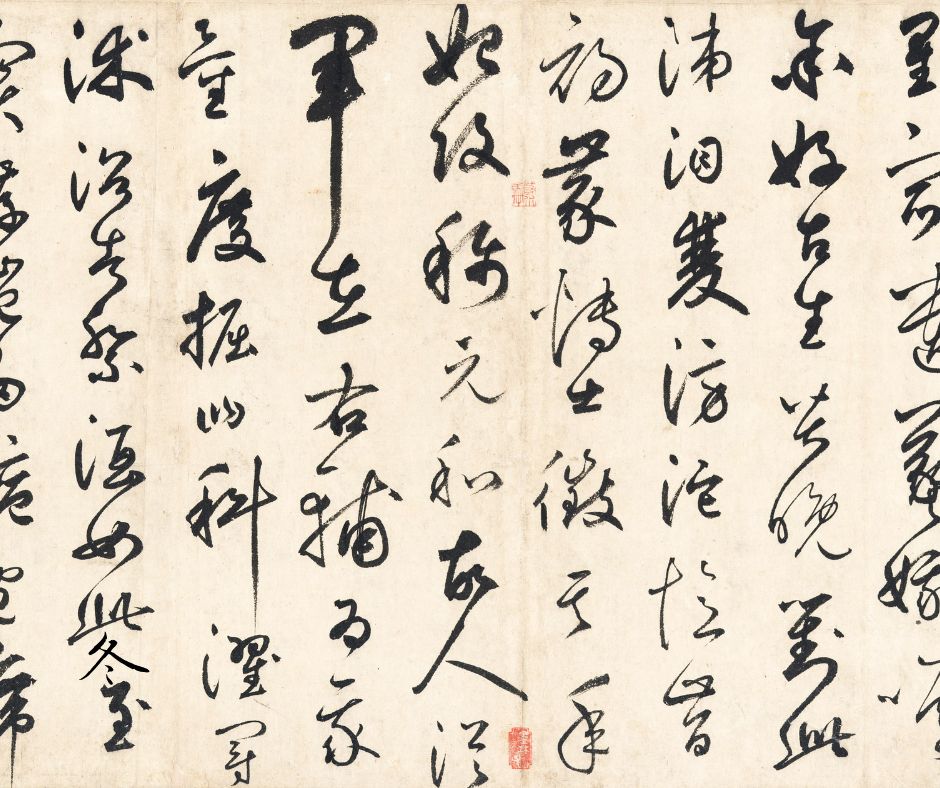
Image courtesy of Canva.com
In the heart of two ancient civilizations — one sprawling across East Asia, the other rooted in the Middle East — there exists a sacred tradition of writing that transcends mere communication. For the Chinese calligrapher and the Jewish sofer (scribe), writing is not simply the act of forming words. It is a spiritual discipline, a form of moral and metaphysical alignment, and a mirror of the soul.
Though separated by geography, language, and history, Chinese and Jewish scriptural arts reveal a profound common value: the belief that how we write reflects how we live. The page becomes a sanctuary; the ink, a form of prayer.
Writing as a Spiritual Discipline
In traditional Chinese calligraphy, each stroke is a meditation. The brush must move with intentionality, balance, and harmony. Before putting brush to paper, the calligrapher often centers their breath, calms the heart, and aligns body and mind. A single wrong stroke cannot be undone; there is no erasure in brushwork — only presence and humility.
Similarly, the Jewish sofer (scribe) approaches the writing of Torah scrolls (Sifrei Torah) with reverence and ritual purity. Each letter must be written according to Divine law, with precision and kavanah (spiritual intention). A sofer often immerses in a mikvah (ritual bath) beforehand, and some whisper prayers or holy names with each stroke. A mistake — even a missing crown on a letter — can invalidate the entire scroll.
Both practices see writing as a way to refine the self. The act is not just technical, but ethical and devotional. It shapes character.
The Embodiment of Virtue
Chinese philosophy, especially influenced by Confucianism and Taoism, teaches that calligraphy reveals the moral character of the writer. A person’s virtue — or lack thereof — can be seen in the fluidity, structure, and energy (氣 qì) of their writing. The ideal calligrapher embodies qualities like harmony, integrity, and inner stillness.
In Judaism, the sofer is expected to be a person of impeccable ethical conduct. They are called to be righteous — not only accurate. The holiness of the scroll reflects the holiness of the person who penned it. According to Jewish law, a Torah written by a wicked person is not kosher, no matter how perfect the script. In both traditions, who you are determines what you can write.
Sacred Texts and Living Words
Chinese calligraphy is often used to transcribe classical texts — the Dao De Jing, Confucian Analects, Buddhist sutras. These are not simply books; they are living philosophies, guides to harmony between Heaven, Earth, and humanity. Writing them is a form of devotion, an offering.
In Judaism, the Torah is not just scripture — it is Divine Breath made visible. Each letter is considered a vessel for spiritual energy. Mystical traditions teach that the very shapes of the Hebrew letters encode secrets of creation. The sofer, then, becomes a co-creator, participating in transmitting the Divine Word through physical ink.
In both worlds, the written word is sacred not because of what it says, but because of how it is received and transmitted — with awe, with discipline, and with love.
The Page as a Mirror of the Cosmos
In Chinese calligraphy, the white space (空白 kōng bái) is as important as the ink. It reflects the Daoist concept of emptiness — that true meaning arises in the balance between form and void, action and stillness. Calligraphy becomes a cosmological act: shaping yin and yang, movement and pause, into harmonious unity.
In Hebrew, the white parchment is likewise considered sacred. In Kabbalah, even the spaces between the letters are filled with Divine Light. The Torah is not just black fire (ink) but also white fire (space). The sofer doesn’t just write letters — they shape the silence between them.
Toward a Shared Wisdom
These parallel traditions — Chinese calligraphy and Jewish sofrut — offer a deep common ground for intercultural dialogue. Both see writing as an ethical act. Both treat the written word as alive. Both believe that cultivating inner stillness and moral integrity is essential to any outward expression of truth.
As Chinese and Jewish communities seek new bridges of understanding in our globalized world, this shared reverence for language as sacred practice offers fertile ground. A Chinese brush and a Hebrew quill may look different — but they both carry ink drawn from the same spiritual well: the belief that how we shape symbols shapes the soul.
Related Topics