
POST-HARMONY Special Project
Inner Lights Throughout a Year: Art Dialogues
Inna Rogatchi (C). Dialogue.
Presentation of Inner Lights: Jewish Year art collection featuring artistic interpretations of an annual circle of Jewish holidays
Part 2 of 3
Part I can be read here.
From Shemini Atzeret to the New Year for Trees
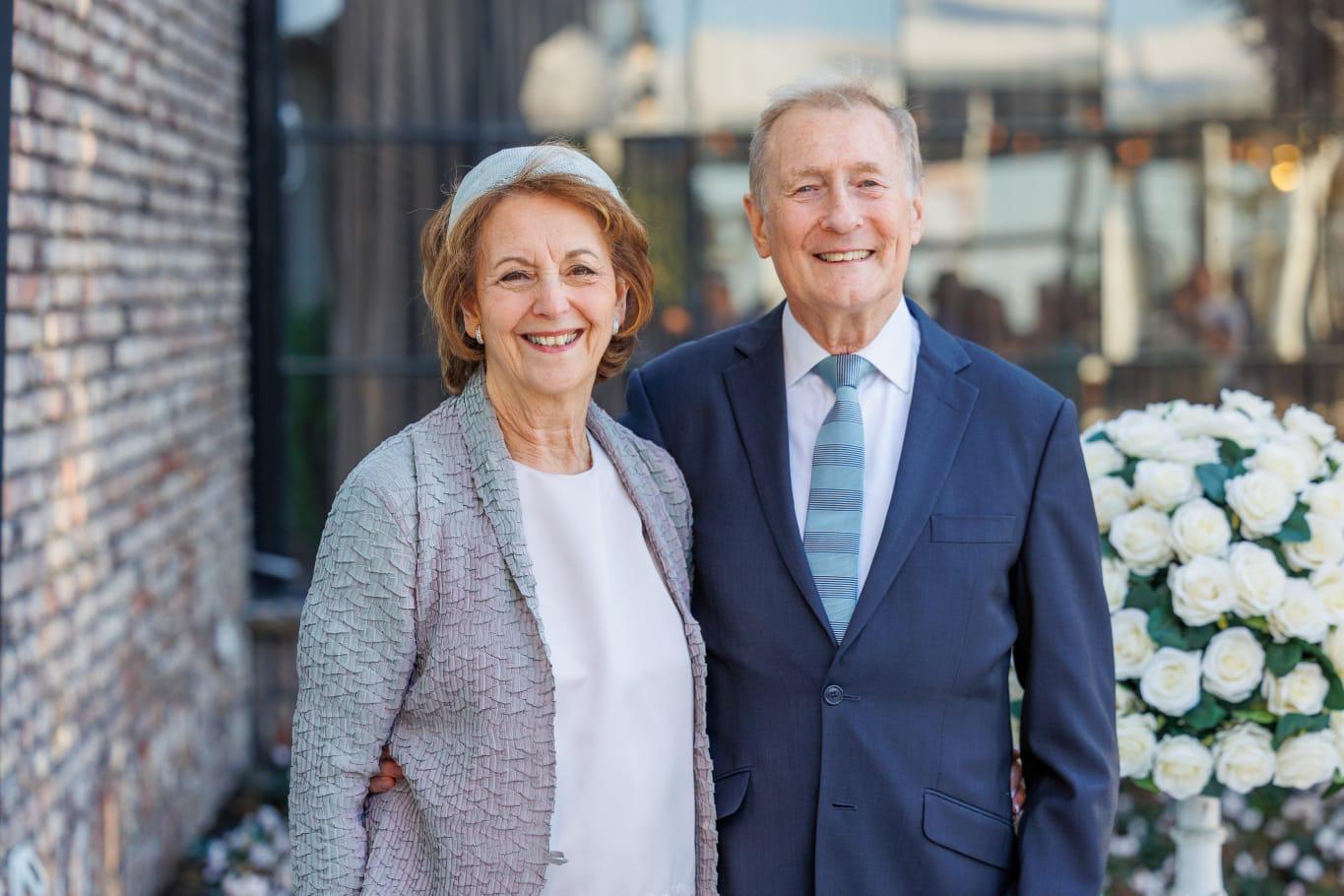
Continuing the presentation of new Inner Lights (2026) collection of artworks dedicated to the annual Jewish holidays, below are reflections regarding one of the works from the collection by a well-known Rabbi and talented cantor Lionel Rosenfeld, the co-founder of the superb Shabbaton choir. Rabbi Lionel , who is Rabbi Emeritus at the Western Marble Arch Synagogue in London, was a life-long friend and close colleague of the late Lord Rabbi Jonathan Sacks.
Lionel and his wife Natalie are long-time friends and colleagues of ours, and we are very glad that they have both of our works in their family collection.
One to One
In the words of Rabbi Lionel Rosenfeld and art critic Leila Behram, “Inna Rogatchi’s images take inspiration from nature, cultural heritage and the human experience. Her rich symbolism creates atmospheric works that invite the viewer into a contemplative inner dialogue with creation, and the meaning of life.
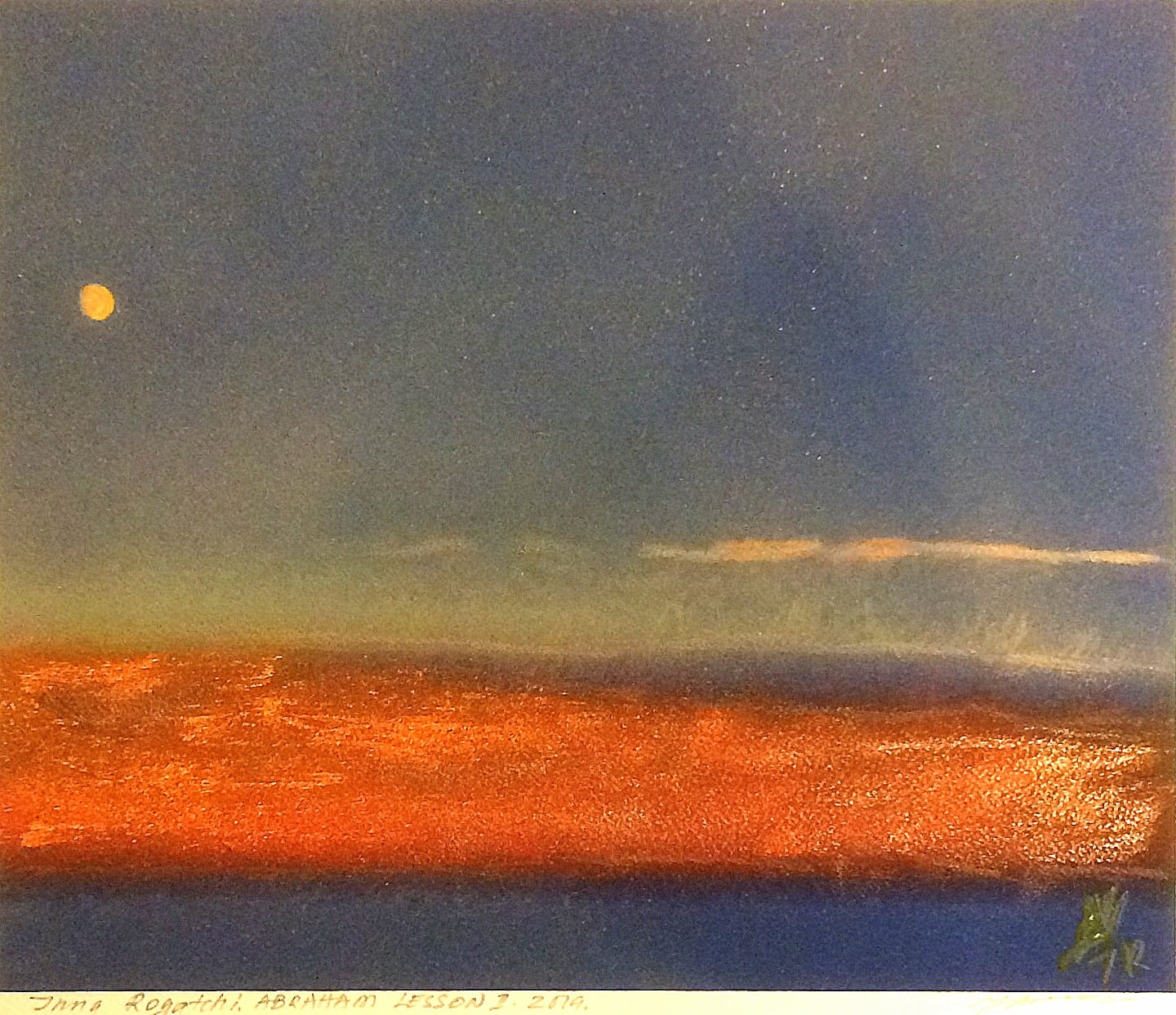
The terrible event of October 7th 2023 and its aftermath has prompted artists, musicians and writers worldwide to respond in their unique and personal way, and Inna is no exception. For Rogatchi’s new collection the painting Abraham’s Lesson One has been given the additional name One to One, to be directly connected to the Jewish Festival of Shemini Atzeret, when the Book of Kohelet (Ecclesiastes) is recited in synagogues. In 2023 the Festival fell on October 7th, which saw the worst massacre of the Jewish people since the Holocaust.
In the Book of Kohelet, the Hebrew word “Hevel” features many times, appearing five times in the second sentence alone, and thirty-eight times in the text altogether. It has been translated as ‘futile’: “Futility of futilities, said Kohelet … .all is futile.” However, according to Rabbi Lord Jonathan Sacks of blessed memory, this is a mistranslation: Hevel means a shallow or fleeting breath. As he writes in his commentary on the Book: “Whatever riches or achievements we accumulate during our lifetimes, nothing is permanent – all is a fleeting breath.” The biblical Abel son of Adam was the first human being to die. It is no coincidence that the name Abel in the original Hebrew is Hevel. Nothing is permanent.
Inna Rogatchi’s painting One to One, directly connects with this idea from Kohelet. The viewer is drawn into a timeless discussion with the Creator about earth and moon and the nature of existence, with the mystical Light of First Day of Creation, of which this painting is one of a series.
The materials, colours and techniques that Rogatchi uses perfectly portray this spirit of investigation and discussion.” – have written art critic Leila Behram and Rabbi Lionel Rosenfeld.
Presentation of part 2 ( of 3) of the Inner Light ( 2026) art collection featuring an annual circle of Jewish holidays:
Shemini Atzeret is a very particular holiday and spiritual lightmark among the High Holidays, all five of them. It is the only day, time-bridging between open questions and deep quest on Rosh HaShanah and exaltation on Simchat Torah. It is on Shemini Atzeret only when a person is entitled and expected to be in a day-long focused private communication with the Creator. Probably, due to the special nature of the holiday, and its spiritually intimate and not quite pronounced character, the nature and meaning of the Shemini Atzeret have been something of not quite an open and read-through book, but a suggestive, non-intrusive, private and deeply meaningful day throughout a month of a High Holidays, when we are entitled to this unique, just once in a year dialogue with the High Power. What matters on Shemini Atzeret as I see it, is sincerity, selfishness and a strive to make the gift of such a dialogue to teach us something , every single year.
After a month of the High Holidays marathon, we are gifted with Simchat Torah, to celebrate our belonging to Judaism, in many of its aspects. Of course, precisely that’s why the date was chosen by an evil force to carry on merciless, sadistic carnage of October 7th, 2023. It was done in the same logic of evil that deliberately and repeatedly committed many horrific crimes throughout our history to be carried on the dates that fell on Tisha b’Av. As we are still very close to the open wound of October 7th, every next Simchat Torah is difficult for us, especially those which coincides with the exact dates of that incomprehensible morning. The sad fact of Jewish life, again, is that the feeling of mourning and the palpable pain will be presented on every Simchat Torah for two-three generations at least, following the way of the functioning of human psychology that we learned after the Shoah.
When it is the most hard for us, many of us get to the Torah and the Judaism primary sources. Why? Because it has such a layer of meaning that transplants many of us to the dimension which calms down, brightens, and teaches. Additionally to everything else, the wisdom accumulated in the Torah is specifically and re-assuredly therapeutic. Humanistic wisdom brightens. The wisdom of the Torah shines. Even amidst the heaviest darkness.
The thing is that when one searches, thinks, tries to get to and behind the meaning of the Torah texts, the beauty of its wisdom, sometimes clearly visible, and sometimes not necessarily so, sometimes in plain phrases, and sometimes in allusions, brings up the light which is always personal and always is a private inner treasure.
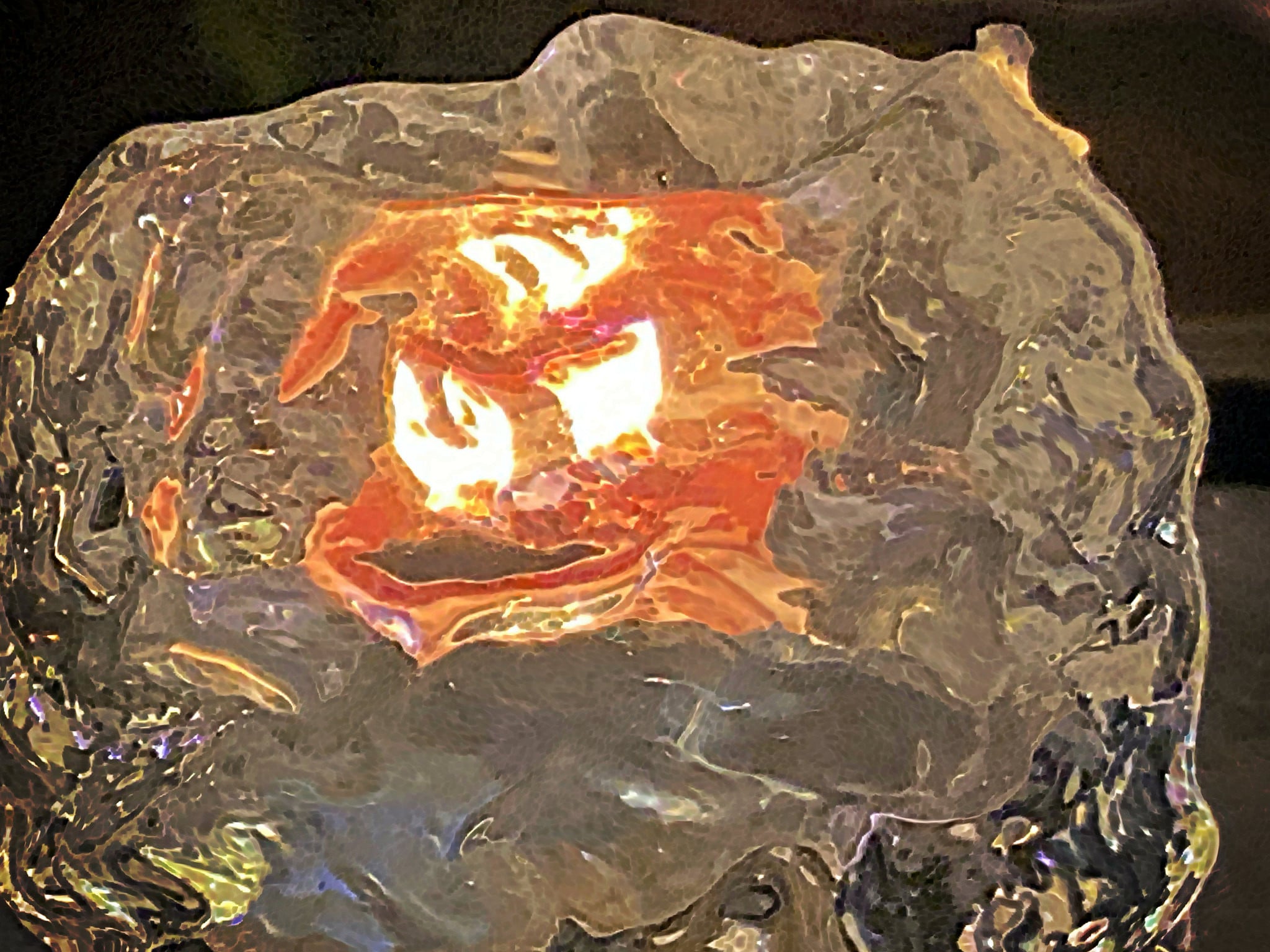
It is well known that our 8-days feast of light in the winter always falls on the darkest period of the year. This basically explains the very essence of Hanukkah and its message. But there is more in this eight-day feast of light. It is the steady presence of the superb and meaningful gift of special light for eight days in consequence, this being in the circumstances at the time of the most intense astronomic darkness. It is the growth of this special light every day throughout the Hanukkah period, extending both the process of ongoing enlightening of our homes and premises and re-assuring the message of light.
It is the special magic of light coming to us in a growing motion nightly during the eight nights of Hanukkah that makes our hearts warm and joyful. In this very work, the central artistic image reflects the essentially important parable of Judaism telling that in the heart of the most intense darkness, exists the source of light.
During the presence of the additional and special, spiritual light during the Hanukkah festival of hope, comfort and contemplation, sometimes the lights in our menorahs all over the world can be seen as ‘speaking’ in between themselves. This dialogue of light, especially seeing in the context of our strive towards the light does not matter what, reflects also our own, personal, dialogue with the High Power, and our hopes that our prayers can be heard and responded. Apart from Yom Kippur and Shemini Atzeret, there is probably no more special time for this special, quiet and intimate personal dialogue than during those truly special and much anticipated every year eight nights of Hanukkah.
Promise Ignited by Love
Among the owners of some works from the Inner Light collection, there is also the Zaborov family from France. The late Boris Zaborov was an internationally well-known artist, who worked and lived in Paris with his wife Irina and their children. Irina Zaborov reflects on the Promise work from the collection:
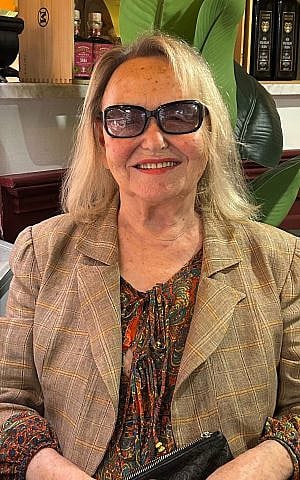
“ The relationship between an artist and a viewer has been developed throughout the centuries, but always , it has been originated and ignited by the love with which the author had for its creation, and the reciprocation of this love by a viewer. With time passing, a commercial element has been interfering into those relationships, and today, we can see that it might reach its peak. But still, even such development has been unable to destroy the phenomenon that is known as ‘a pure art’.
It is to this category that I relay Inna’s Promise work. My meeting with this work was love from the first glance. It was the feeling that originates at an emotional level, and only after, in some while, one experiences a desire to explain to itself what was the reasons that got one’s soul excited.
In my case, it was, most likely, matching between my own perception of life with what I saw in Inna’s work: rich coloristic, precisely in the colours and their grades that did form by taste from my childhood. It was also a clear drawing line, and importantly, the mystery of the composition in which everything is in place.
All those three elements, in their harmonious way, have created the piece which is called an art creation in the best meaning of the term. Thank you to the author”, – as art historian Irina Zaborov has written.
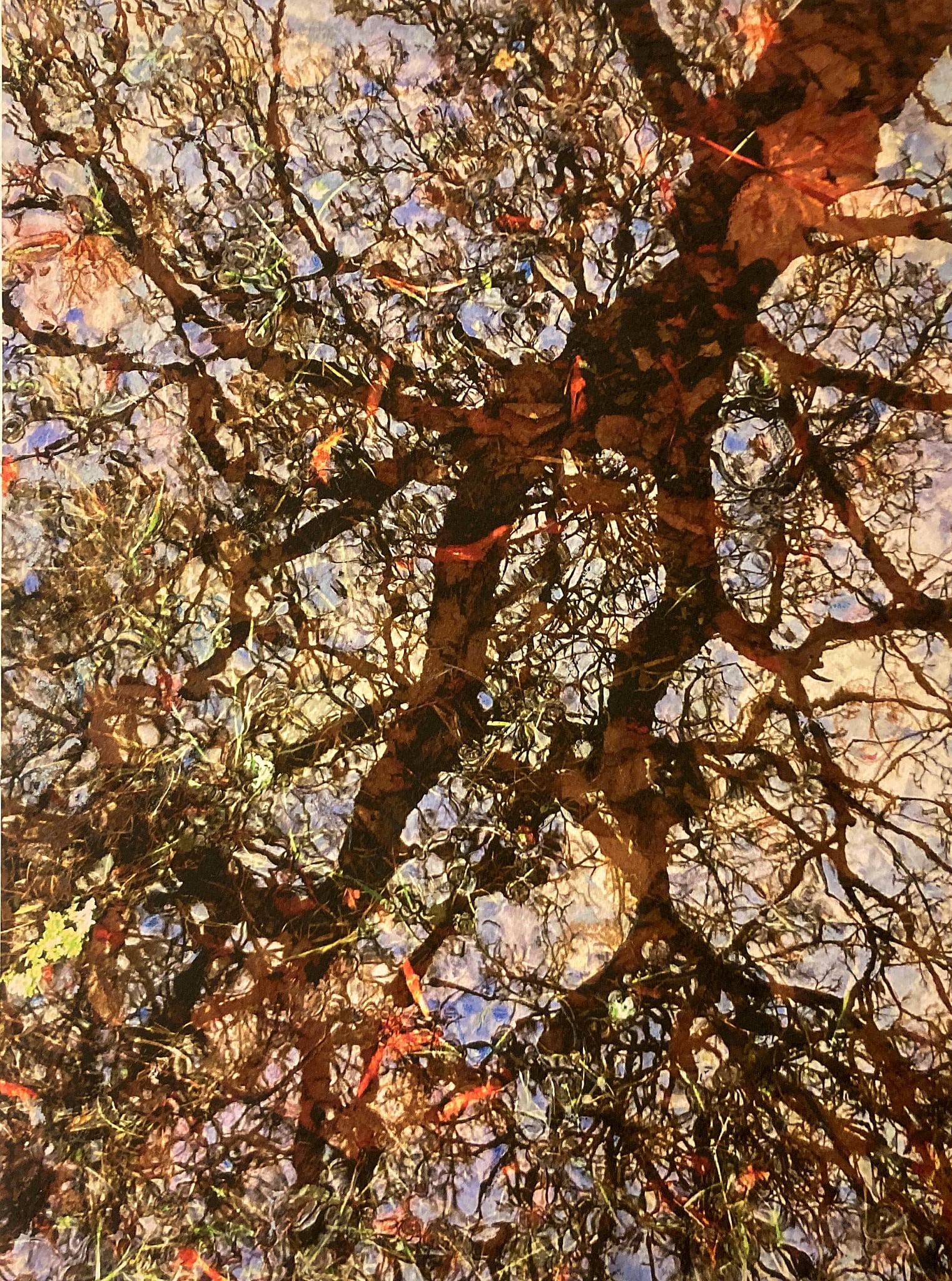
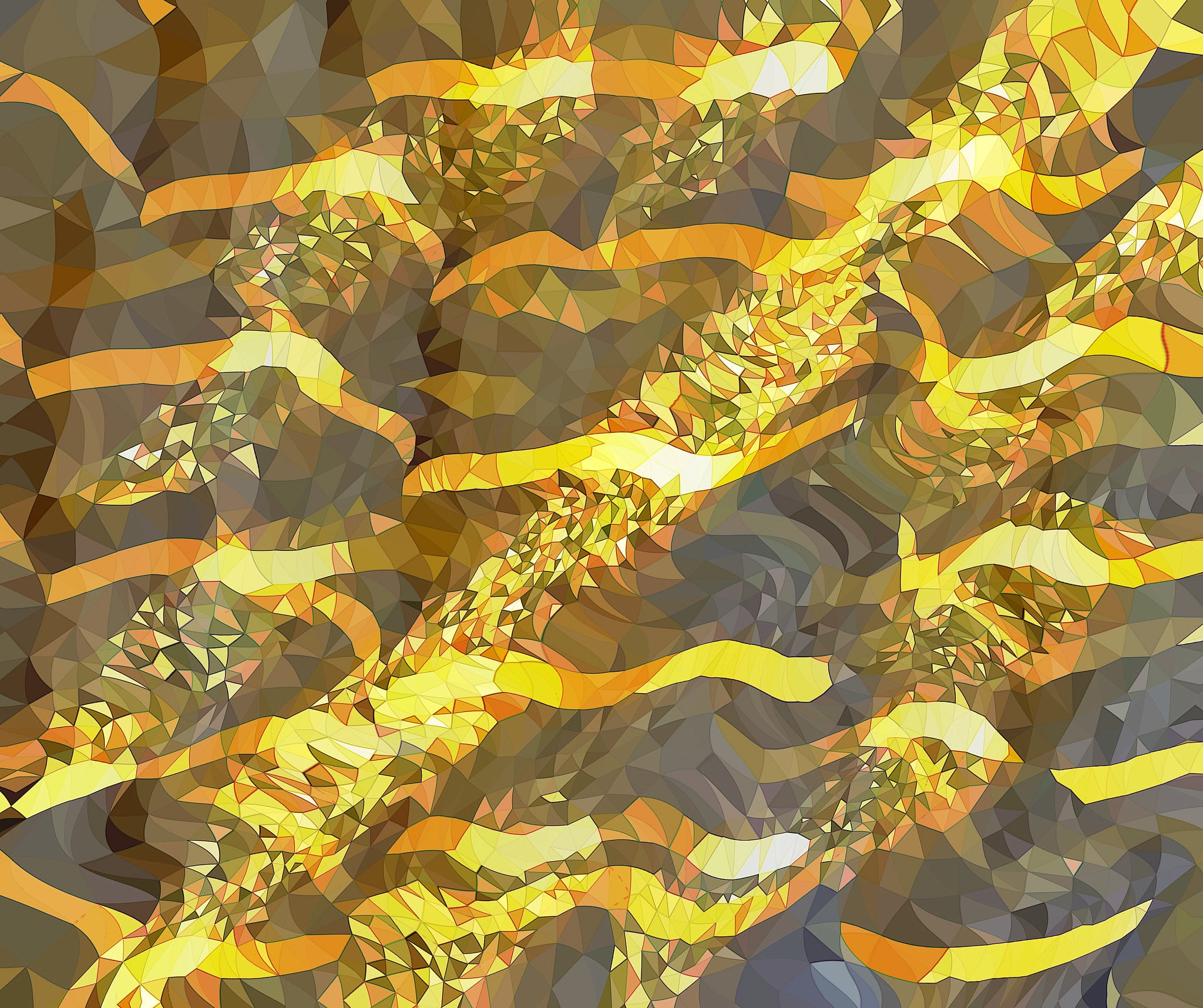
Tu bi-Shvat, the New Year for Trees, is a hidden gem among the annual Jewish holidays, in my view. From one side, the entire inner content of Judaism is interwoven with nature as expression and reflection of the various phenomena of life. From another side, trees do have a mighty symbolic meaning in Judaism in a vast scope of instances, not only as a spiritual concept, but also as a permanent reference to the very essence of life. There is rarely a more natural symbol of life in Judaism apart from water than a tree. My tree in the work Promise celebrating the New Year for Trees , our annually grateful celebration of life in general, is about the tree that symbolises hope, memory and inspiration which is the inner force of life.
Part I of the presentation can be read here.
October 2026
Inna Rogatchi ©
Related Topics