Iran’s Aggressive Posture in the Gulf: Risks to Regional Peace and Global Trade
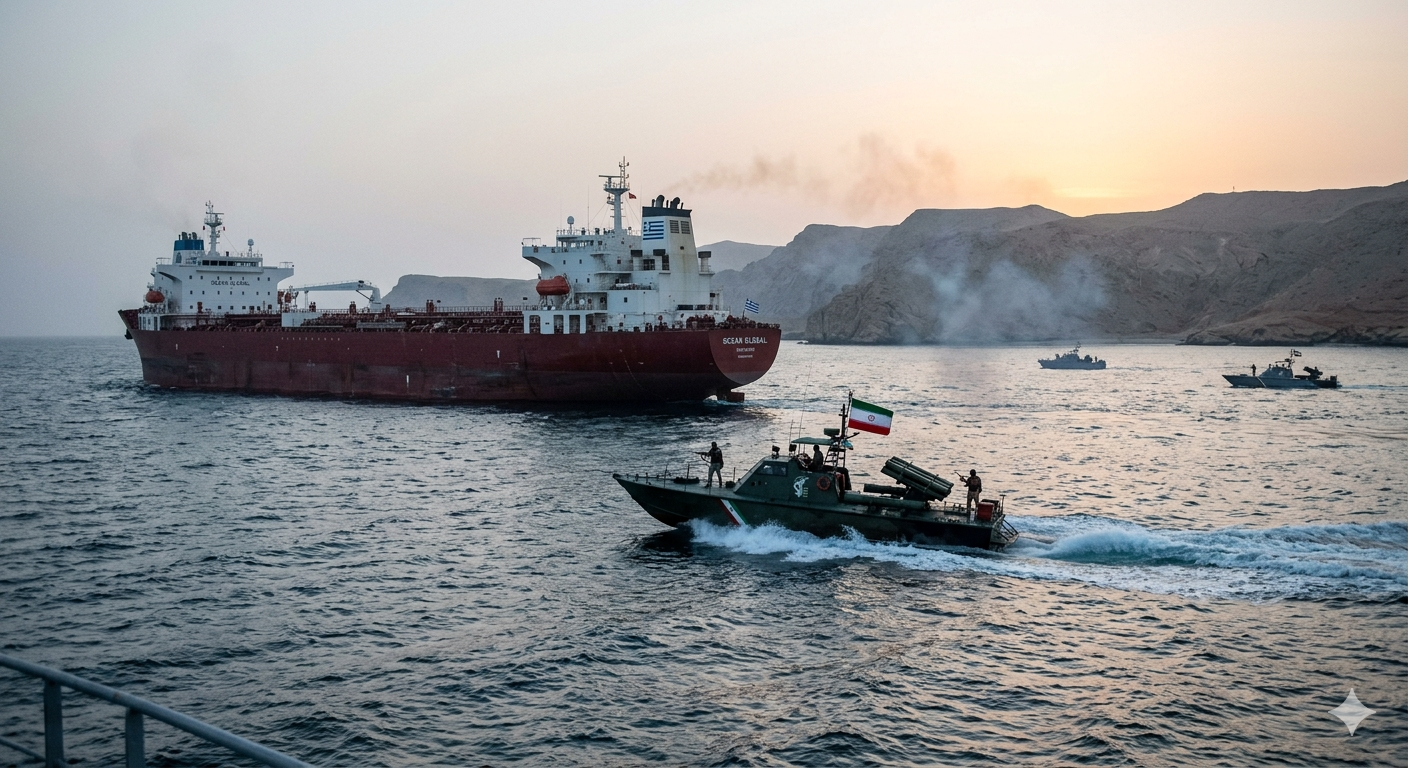
The Gulf region has once again become the center of rising geopolitical tensions, as Iran’s increasingly aggressive actions toward Gulf states, particularly the United Arab Emirates (UAE), continue to raise serious concerns across the international community. What was once viewed as political rivalry has evolved into a dangerous confrontation with implications far beyond the Middle East.
Recent attacks, threats against shipping routes, and military escalation near the Strait of Hormuz have intensified fears of a broader regional conflict. For Gulf countries whose economies depend heavily on trade, energy exports, and international investment, the consequences of instability are profound. At the same time, the world watches closely because the Gulf remains one of the most important arteries of global commerce and energy supply.
The Strait of Hormuz, a narrow maritime passage connecting the Gulf to international waters, carries nearly one-fifth of the world’s oil supply. Any disruption in this strategic corridor immediately affects global energy prices, shipping costs, and economic confidence. Analysts warn that continued tensions involving Iran could lead to prolonged instability in energy markets and global supply chains.
Iran argues that its actions are linked to regional security concerns and its confrontation with the United States and Israel. However, Gulf states increasingly perceive Tehran’s posture as a direct threat to their sovereignty, economic stability, and national security. The UAE, in particular, has faced growing pressure amid reports of attacks targeting oil facilities, maritime infrastructure, and commercial interests.
The economic consequences are already visible. Investor confidence in Gulf markets has weakened during periods of heightened tension, while shipping insurance costs and freight prices have surged. Oil prices have experienced sharp volatility, affecting both producing and importing nations worldwide.
Beyond economics, the political implications are equally significant. Iran’s confrontational approach risks pushing Gulf states toward deeper military and strategic partnerships with Western powers and Israel. Instead of reducing foreign influence in the region, Tehran’s actions may accelerate new regional alliances and security arrangements aimed at containing Iranian influence.
Moreover, prolonged instability threatens ordinary civilians across the region. Tourism, aviation, trade, and food supply chains are all vulnerable to conflict escalation. Experts have also warned that attacks on infrastructure such as desalination plants, ports, and airports could create humanitarian and economic crises across Gulf societies.
The current crisis demonstrates that military escalation in the Gulf is not merely a regional matter. It is a global issue with direct implications for international trade, energy security, inflation, and geopolitical stability. In an interconnected world economy, instability in the Gulf quickly spreads beyond the Middle East and affects markets from Asia to Europe and North America.
Ultimately, sustainable peace in the Gulf cannot be achieved through threats, missile attacks, or regional intimidation. Diplomacy, dialogue, and respect for state sovereignty remain essential for preserving regional stability and protecting the economic lifelines upon which millions of people depend.
As tensions continue to evolve, the international community faces a critical challenge: preventing the Gulf from descending into a wider conflict that could destabilize not only the Middle East, but also the global economy itself.