
Is Life Itself a Memorial?
In the depths of Tish’ah BeAv morning caffeine deprivation, I am contemplating last evening’s community discussion about commemorating what has befallen us.
We mourn for what was. Rabbi Seth Adelson put forth that “we actively remember destruction and desolation, coupled with the reminder that throughout our history rebuilding always follows, to derive a meaningful desire to survive and thrive.” He pointed out that yearning for healing, redemption, rebuilding, and return gives the Jews the strength to continue, and that is why we are still here 2600 years after the destruction of the First Temple by the Babylonians. It is an arc, he said; plunging to the depths, beginning the evening stripped down to our souls, sitting on the floor and reading Lamentations, gives us reason to look ahead to the next afternoon and better days.
Perpetual mourning! Yet, the Psalms tell us that the Almighty heals the brokenhearted. Beyond the first few years, when we remember who and what we have lost, we can choose to remember the positives that existed rather than the negatives that took them away. Are we still in mourning? (Or, like me, do we go because we appreciate the chanting of Eykhah?)
Rabbi Larry Freedman then presented other sources which would lead us to action as a response to what has befallen us, even to the point of militancy: to finally stand up and defeat our enemies, possibly going overboard in zealotry. The sources seemed to suggest we act before we disappear, rather than mourning after decimation. Yet, taken too far it might lead to destroying others before they destroy us, which seems rather unholy.
Some say we Jews are always going to be hated, so let us mourn, and some say we could change how the world feels about us by changing what we do.
When Rabbi Jeffrey Myers (specifically speaking of the Pittsburgh Synagogue Shooting) says our response to terror is to “do more Jewish,” maybe he means that we would wall ourselves off from the rest of the world and intensify our praying and challah baking and being miserable on Tish’ah BeAv, or perhaps (more likely) he recommends that we follow the more globally-oriented commandments and go out and save humanity and our planet. Certainly the Jewish experience spans the full range of such “more Jewish” actions.
As a friend says, there are two reasons to build a fence: to keep people in and to keep people out. I don’t want any more fences.
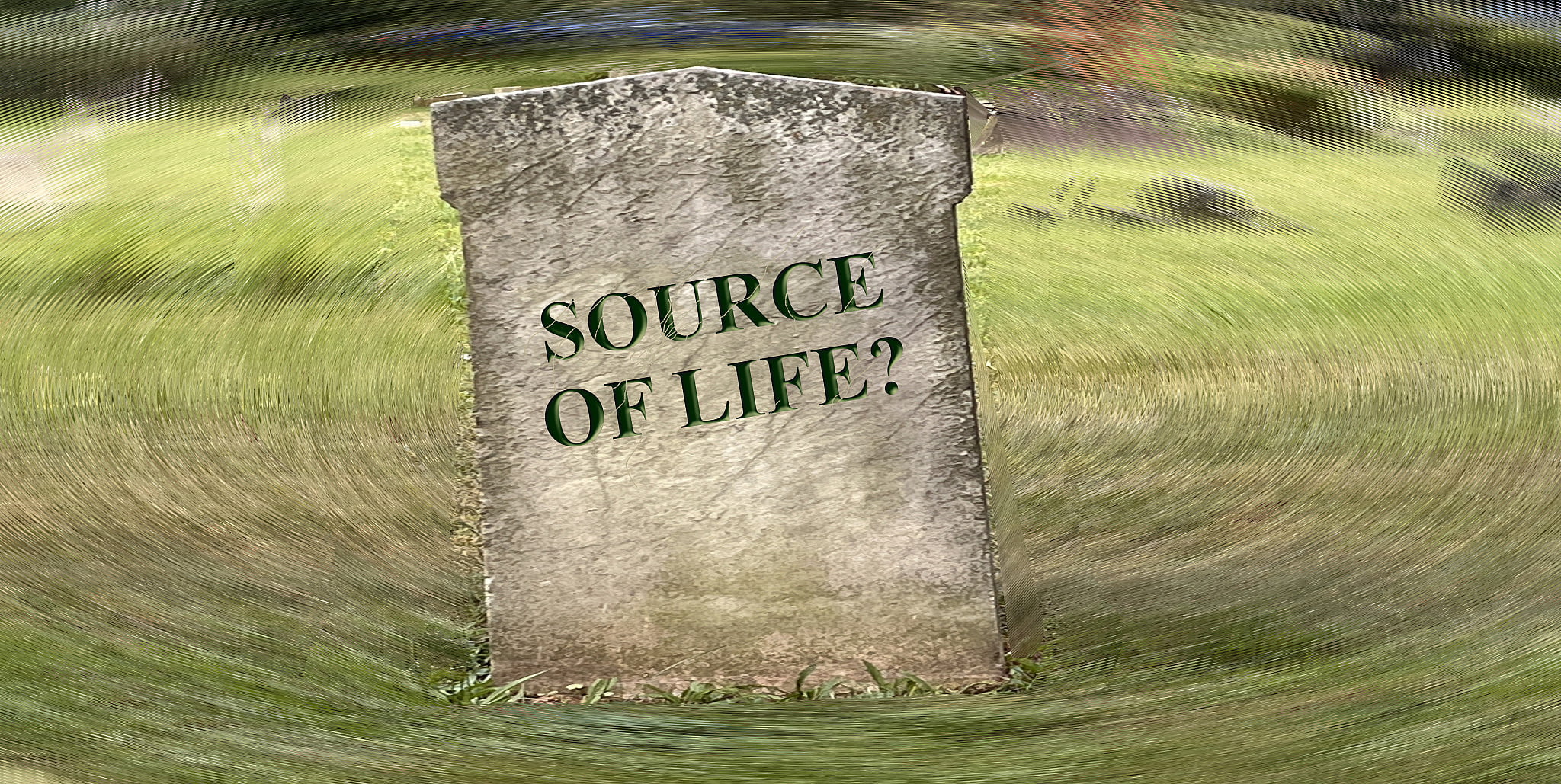
There has to be another way. Must everything we do be a “memorial” after something horrible? Is our very existence a memorial to what once was? Or is resilience demonstrated by standing up and rebuilding and carrying on with what we do and who we are – more remembering, less memorializing?
(When we in Pittsburgh rebuild our synagogue space, is it to be a memorial to what has happened and whom we lost? Or will the outside memorial structure be separate and the building and gathering space be consecrated to honor our past with a lively and positive present and future? I hope for the latter.)
Does the Tish’ah BeAv liturgy apply to us now? Hundreds of years ago, a person asked whether the destruction was because of our sins. Was it?
Are we Jews collectively doing things that are not bringing us favor in the world? Are the actions of some a shonda on all of us? Can we control or mitigate the shame? Is shame the ostensible sin for those who believe that the Almighty is punishing us? Either way, shame is shame.
When we are beaten up, is the appropriate response to act physically stronger and beat up the other guys? Maybe we should attack first, preemptively, to show our might? Or are we to be morally stronger and find a way out of it all peacefully, holistically and holily, for the improvement of the planet? Isn’t the reason for strength to keep the peace?
Do we have to engage with those who assail us, or do we take the wheel and drive our collective fate forward without them? That was my mother’s solution to bullies – don’t give them what they want (our suffering); just get up and walk away and carry on with life. If you thrash about when they hold you underwater in the pool, they will do it again, she said.
After tragedy (repeated throughout our existence), must everything we do be a “memorial” to who and what was lost? Or should we return to being morally and ethically Jews, representing the Almighty as we promised we would, thus tacitly learning from and building upon what was lost, without the need for physical and emotional punishment to remind us? We need neither sackcloth nor revenge, to put it bluntly.
Do we still have a shot at being a light unto the nations? Is it a sin not to be?
If we are always to live in the aftermath of one befalling or another, will the meaning be lost and folks drift away because they are tired of being mournful, tired of being in danger?
Is being defensive rather than offensive equivalent to being weak? Is our image in that regard important? How should we appear? Is a still, small, steadfast voice a better use of our energy than complaining and swaggering?
Are we supposed to save the world, or beat it up before it kills us?
And what about how the world views us? There are new weapons of battle, yet they are as old as Exodus 1:8-10 – words. “Who are all these immigrants? We must enslave them!” said the pharaoh. His words convinced his people to enslave us. We are falling now to a propaganda war, from our enemies directed to our friends, who believe every word of it all. (Many Jews believe it, and some other Jews are taking advantage of it.) And we still have leaders who feel that physical thrashing will gain victory. Growling, flexing heads of state are everywhere, having the militia drop bombs in their proxy schoolyard fights, and we keep giving them power. Why haven’t we learned yet?
Right now it feels like something major is befalling us, and we Jews are not unified in our response, nor even in agreement as to what is happening, much less our actions or responses. Should we get ready to be wailing yet again? Can we use our words to sway the majority of the world back into our corner?
Can we show ourselves as good and decent people who want the best for the world, and not as perennial victims (true or not), nor as chest-thumping, hateful revenge seekers?
Am I finding any answers by asking myself these questions?
Perhaps it is simple, questions aside. Horrible things may have befallen us, but we need not have fallen as a result. How we move forward is important, as is whom we take with us when we do. And I believe we must make it happen now, when the world is watching. Before the next time we have to suffer, Heaven forbid ignominiously. Otherwise, what on Earth are we doing?