
Is Tel Aviv European or American?
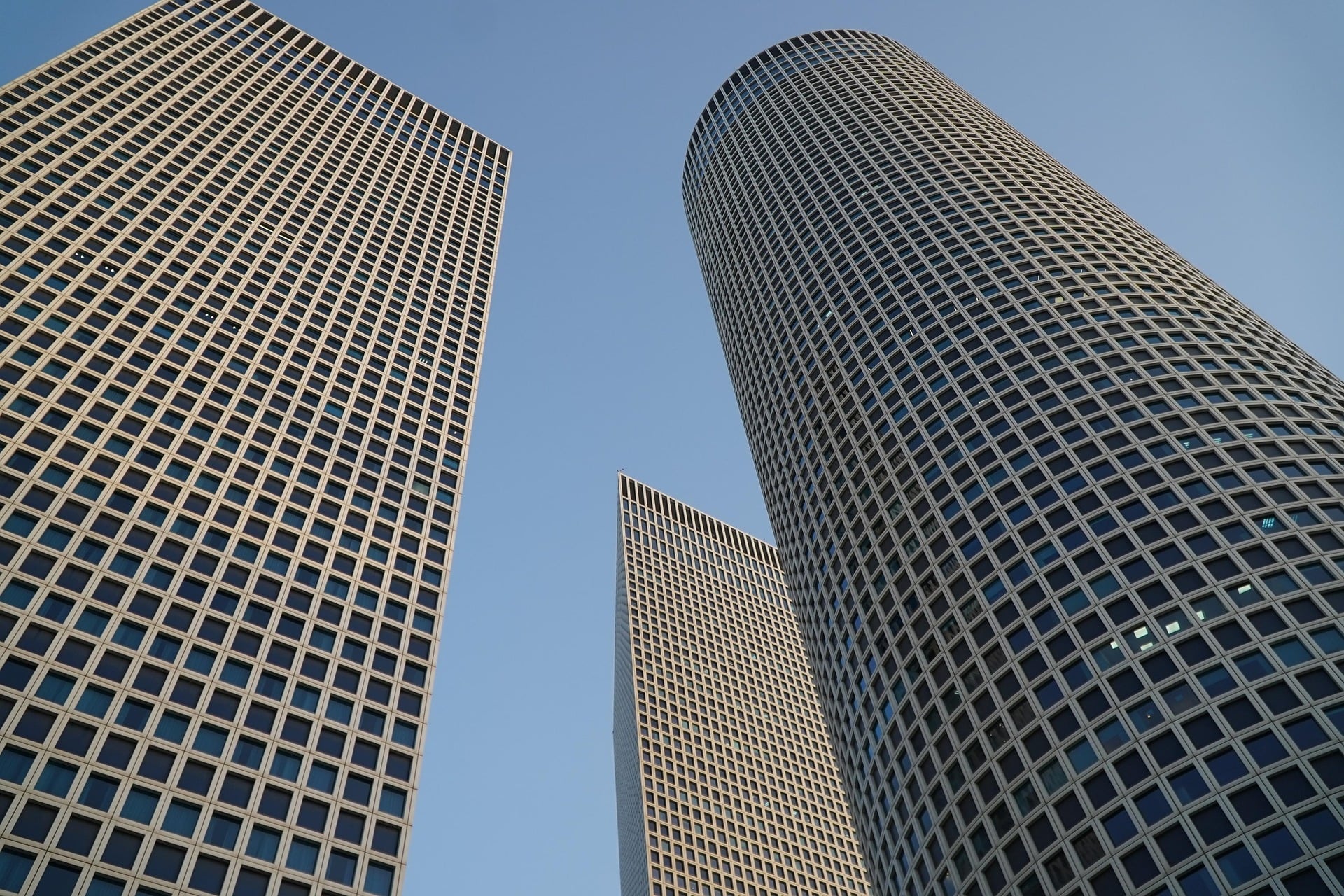
Conceived as a slice of Europe stranded on the Levant, Tel Aviv has kept little of that dream beyond its white 1930s apartment blocks. Its towers, its prices, its ambitions, even the way it observes Yom Kippur, now face the other side of the Atlantic.
Tel Aviv is often described as a piece of Europe that cut its moorings and drifted ashore on the Levantine coast: a city turned toward the West, with no particular wish to resemble its neighbors. That is how the founders imagined Israel itself, and Tel Aviv was to be the shop window.
The dream did not survive intact. Much of the country put down roots in the customs and traditions of the region, and Tel Aviv has become something like the last liberal stronghold. Its detractors even have a name for the rift, “the State of Tel Aviv,” as if the city were a foreign enclave an hour’s drive from Jerusalem.
The question is which West it belongs to. European by birth, certainly. But look closer, and it speaks more and more with an American accent.
Bauhaus, Between Miami and Manhattan
The concrete says it first. The white buildings, filed under the label “Bauhaus,” are still the historic heart of the city, but they are now surrounded. Toward the sea, the luxury hotels along the waterfront have more than a whiff of Miami. To the east, office and residential towers borrow their silhouettes from American skylines. In between, a center of European proportions holds out, like a parenthesis no one has yet dared to close.
History, for its part, has been retrofitted to American standards. The old port, the Namal, which opened in the 1930s, and Sarona, a 19th-century German Templer colony, have been restored as places of mass consumption: clean, well signposted and interchangeable. You drift from storefront to storefront as in an open-air mall, with a few old stones thrown in for the photo.
Expensive, but for Whom?
The cost of living is an Israeli problem, and in Tel Aviv it is that problem squared. Much depends, though, on where you come from. Europeans blanch: their salaries rarely stretch to a down payment, and restaurant bills and everyday groceries strike them as unreasonable. New Yorkers run the numbers the other way. Used to paying a dinner’s price for a sandwich, they find the place almost a bargain. At the same table on Dizengoff Street, one is splitting hairs over the check while the other orders a second coffee.
Heading West
Over the decades, Israel has turned its back on its European roots to look almost exclusively toward the United States. American culture has moved in for good: the cult of the “start-up nation,” the appetite for enterprise, the ambition to get rich, in dollars, naturally. Europe stopped being a model long ago, and Tel Aviv has become the bridge between Israel and America.
The shift shows in the details. On the street, women have adopted the wardrobe of Los Angeles. Leggings go everywhere, from the gym to dinner, and no one thinks to change in between. Even the bagel, born in the Jewish bakeries of Eastern Europe, took hold in the city only after a detour through New York.
Yom Kippur, American Style
Jews from the East Coast often choose Tel Aviv because they find the standards and the lifestyle they know. They settle in the Middle East without feeling they have left the West.
The influence extends to religious life. The city has some 450 synagogues of every stripe, yet one of its most emblematic gatherings takes place on Yom Kippur in Atarim Square, according to customs inspired by American Judaism. The separation of men and women is largely symbolic: women are not shunted aside, as in Orthodox services, and a mixed section of equal size welcomes those who prefer to pray together. Everything is designed to include as many people as possible, the very opposite of an Orthodoxy that was long the only branch of Judaism to win real institutional recognition in Europe.
From Europe, Tel Aviv kept what one keeps of an inheritance: the walls, now a UNESCO World Heritage site. The life lived within them has crossed the Atlantic.
Alain Soriano, Editor, Tel-Aviv | Beyond The City Mag
Translated from the French original, first published on Beyond The City Mag