Israel and Lebanon Finally Talked

Israel and Lebanon Finally Talked. The South Doesn’t Have Another Year to Waste
When I saw the news about Israel and Lebanon meeting in Naqoura, I didn’t clap and I didn’t sigh, I just said, “Bakir walla, finally, mazal, mazal MAZAL”

Because for people like me, people who grew up in the South and lived 2006 in the bones, these talks are basic maintenance, the kind you do before the roof caves in.
People who didn’t grow up near the border don’t get this and they will never get it.
They read headlines like horoscopes, interesting in the moment, irrelevant by lunch.
The South doesn’t get that luxury.
We live the consequences long after the experts and analysts move on to the next topic.
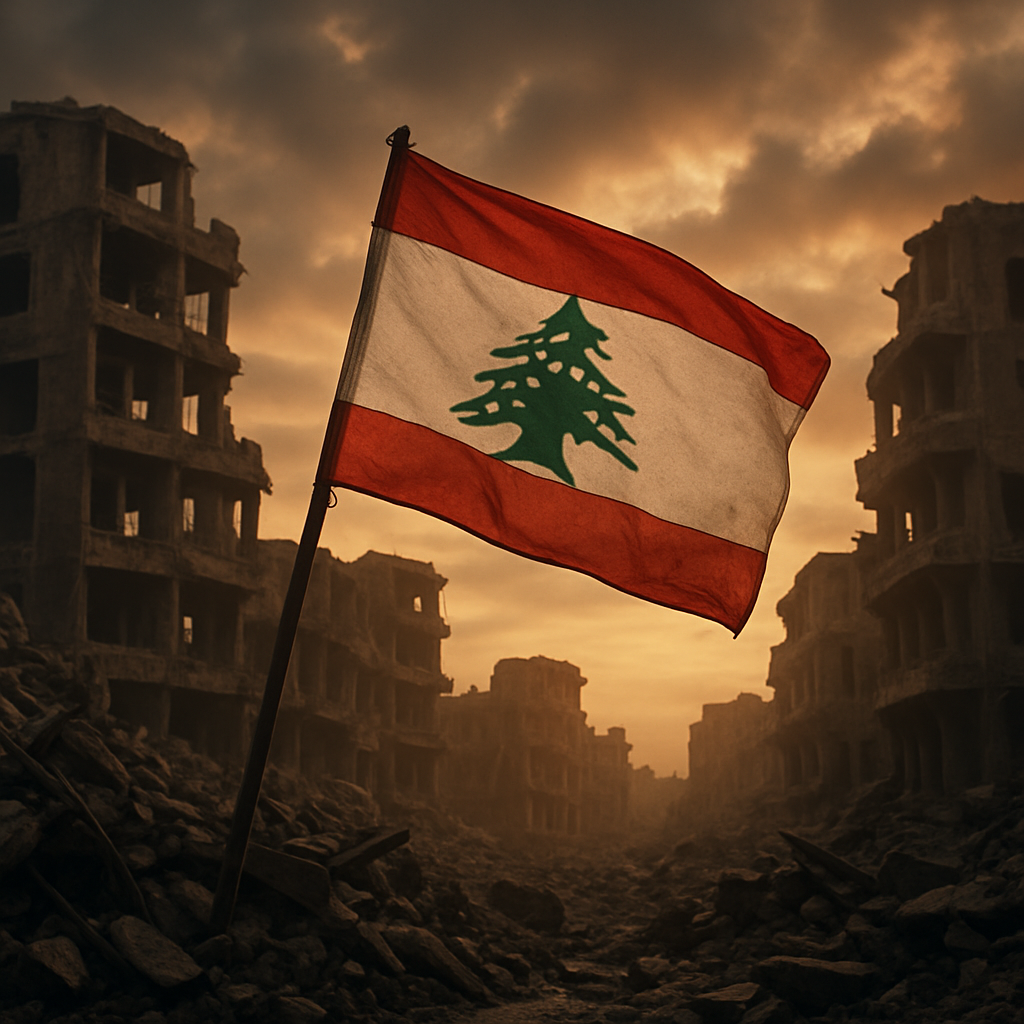
The South doesn’t need symbolism, it needs things that actually work
Let me say it simply. The South is breaking.
Breaking the way a road breaks when nobody touches it for years.
Breaking the way a farm breaks when a harvest depends on a checkpoint or a closure. Breaking the way a family breaks when the power cuts for the fourth time before sunrise.
People outside the South adore theories.
They say things like “regional posture” and “strategic balance” while sitting in well-lit apartments where the internet never cuts.
Down here, the real questions are painfully simple, will the road hold, will the crops survive, will the power return, will this place still be livable next year.
That is the difference between commentary and reality.
The Naqoura meeting quietly exposed everything
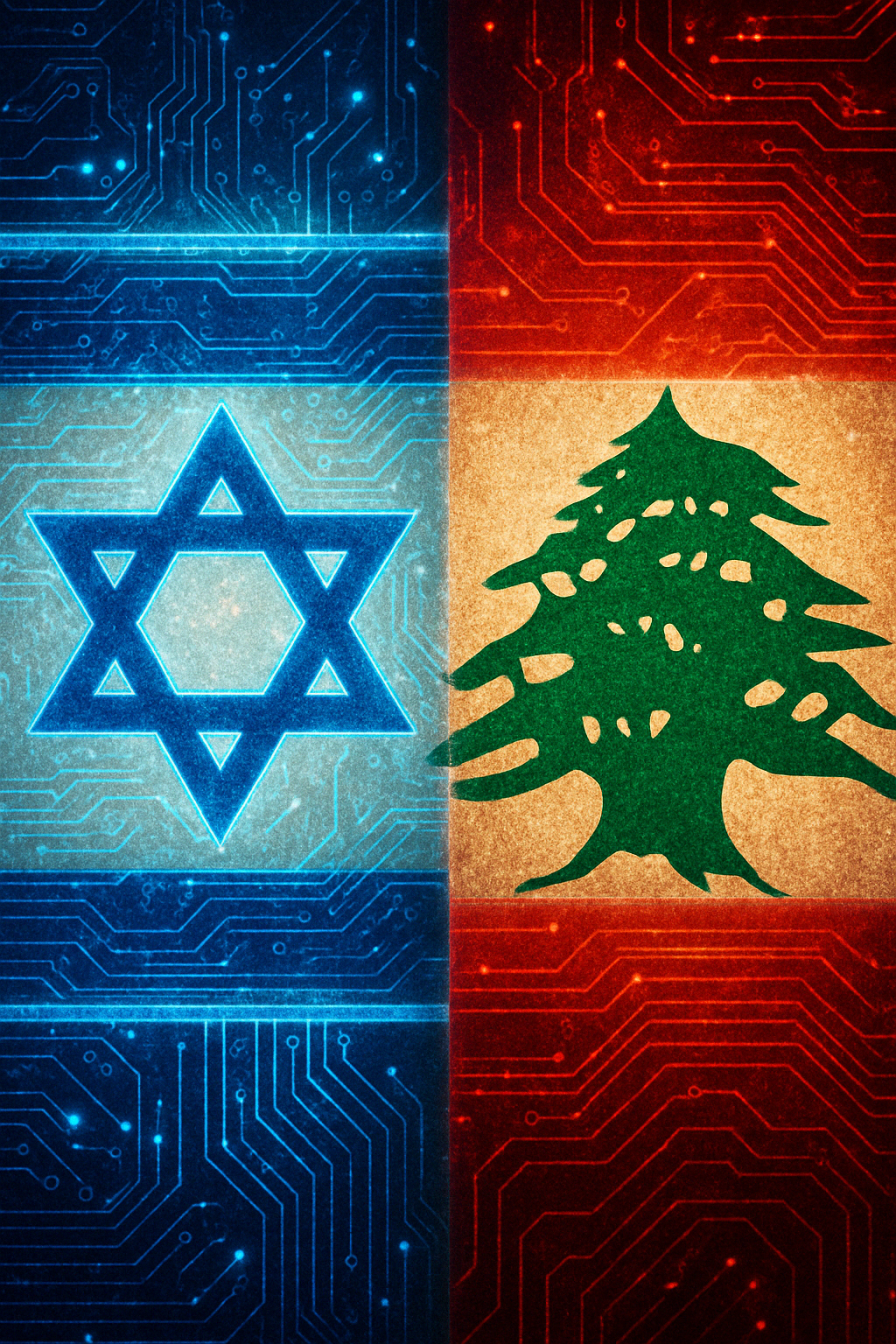
Israel arrived talking about cooperation, civilian projects, economic coordination, real material things.
Lebanon arrived explaining, almost defensively, “this is not normalization.”
Hezbollah complained, as usual, because that is their full-time job, and UNIFIL sat there like parents watching two stubborn adults finally speak after years of pretending the other one does not exist.
Honestly, nobody cares what you call it.
Call it not-normalization, emergency conversation, half-cooperation, a polite argument in a blue room. Just do something real with it.
Both governments know this can’t drag on forever, even if they won’t say it out loud. The border doesn’t care about slogans. The border cares about grids, roads, water, markets.
It cares about whether people can stay in their homes or not.
People far from the border do not understand how real this is
People who speak the loudest, the ones who perform patriotism like it is a hobby, always seem to live the farthest from the border.
They do not farm.
They do not rebuild.
They do not stand on cracked roads.
They do not pay the generator man every week.
They do not wake up wondering if the school will reopen next month.
They get to debate while we get to live whatever comes next.

Agriculture is dying quietly, and nobody outside is paying attention
Fields are neglected because nobody can plan anything.
One sudden road closure can kill an entire season.
Meanwhile, a short drive away, Israel has cold storage, irrigation tech, logistics networks, all functioning, all ready, all close.
It is honestly embarrassing how obvious the opportunity is. Two regions side by side, both suffering, both losing money, simply because everyone is too proud or too afraid to admit they could both benefit from basic coordination.

Energy is the biggest tragedy, and also the most fixable one
Lebanon’s grid is barely a grid anymore. In the South, the blackout schedule has its own personality. Israeli technology could stabilize parts of it in months, not years, which would immediately change daily life for hundreds of thousands of people. But here we are, still performing politics while the transformers overheat and burn.
The grid will not wait for your political maturity.
It will collapse, quietly, mechanically, without speeches.
Here is the uncomfortable truth nobody wants to hear
If civilian cooperation does not start this year, 2025, the South will cross a point where fixing it becomes nearly impossible.
Not politically impossible, physically impossible.
Roads crumble for good, grids degrade beyond repair, farms disappear without successors, towns empty out because families simply give up, extremist groups fill the space left by exhausted institutions, and whatever window these Naqoura talks opened will slam shut.
People far from the border will write thoughtful essays about “missed opportunities.” dakhilo el missed opportunities.
We will be the ones living inside that missed opportunity.
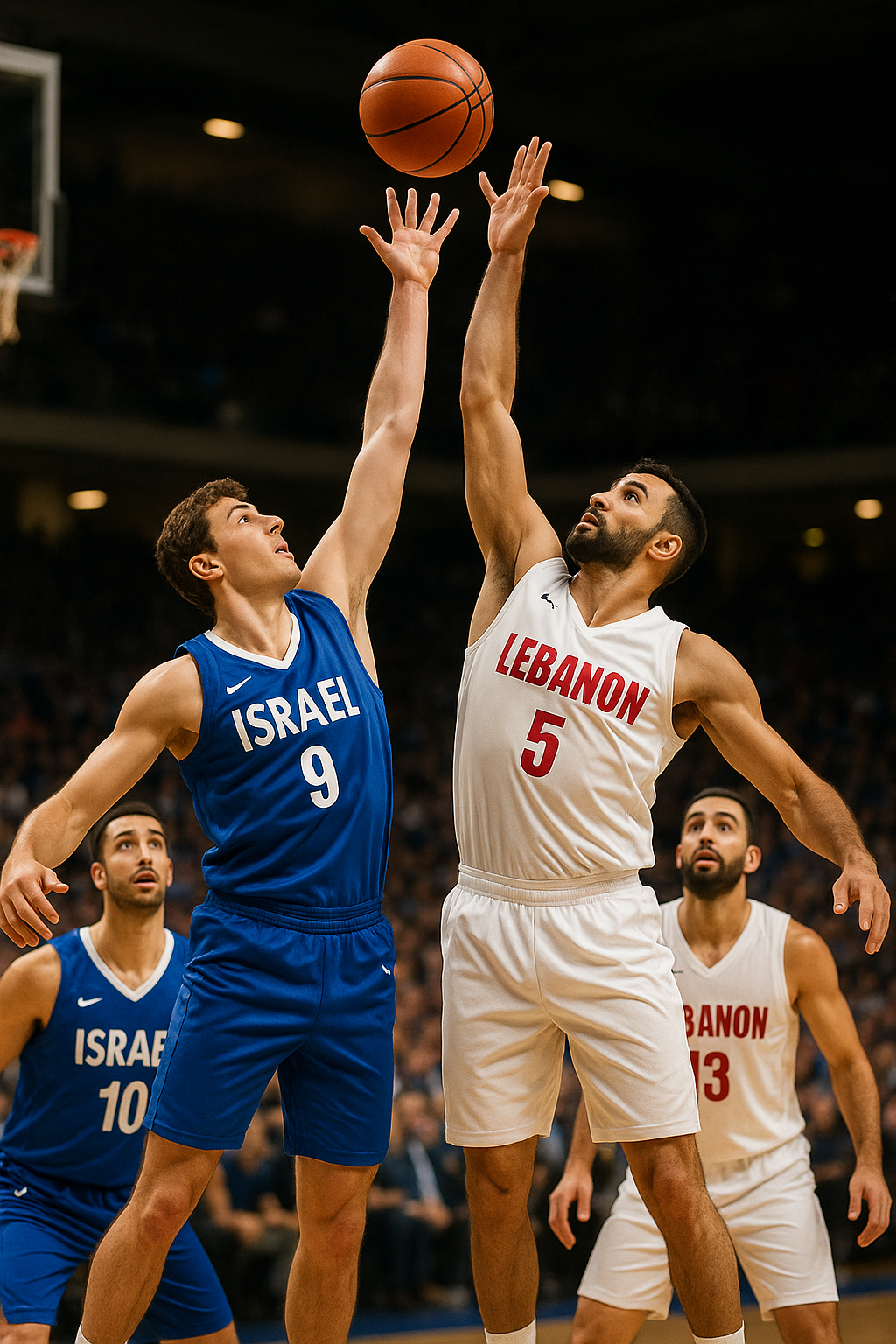
We don’t need peace speeches, we need grown-up decisions
I am not asking for hugs between politicians, I am asking for electricity that stays, roads that last a rainy season, water systems that don’t collapse, farming that doesn’t depend on miracles, border management that belongs to this century, not the last one.
If Israel and Lebanon are serious, we should see something soon, even something small, a pilot program, a joint committee, a shared agricultural plan, anything that proves this isn’t just another round of talks for the sake of looking responsible.
If they are not serious, then at least stop pretending surprise when the South continues to fall apart.
We have been warning you.
People far from the border can afford patience, we can’t
This is the truth.
The South needs action before December, not because we enjoy deadlines, but because infrastructure has one.
Ours is almost here.
A window opened. A small one, but real.
If Israel and Lebanon step through it, maybe the South finally gets more than survival.
If they don’t, then next year’s negotiations will mean nothing, because the region they are negotiating over will already be emptying itself out.
Politics can be rebuilt, yes.
But a region that has lost its people, its farms, and its infrastructure, that is much harder to bring back.