
Author and Global Affairs Commentator
Israel and the Crisis of UN Credibility
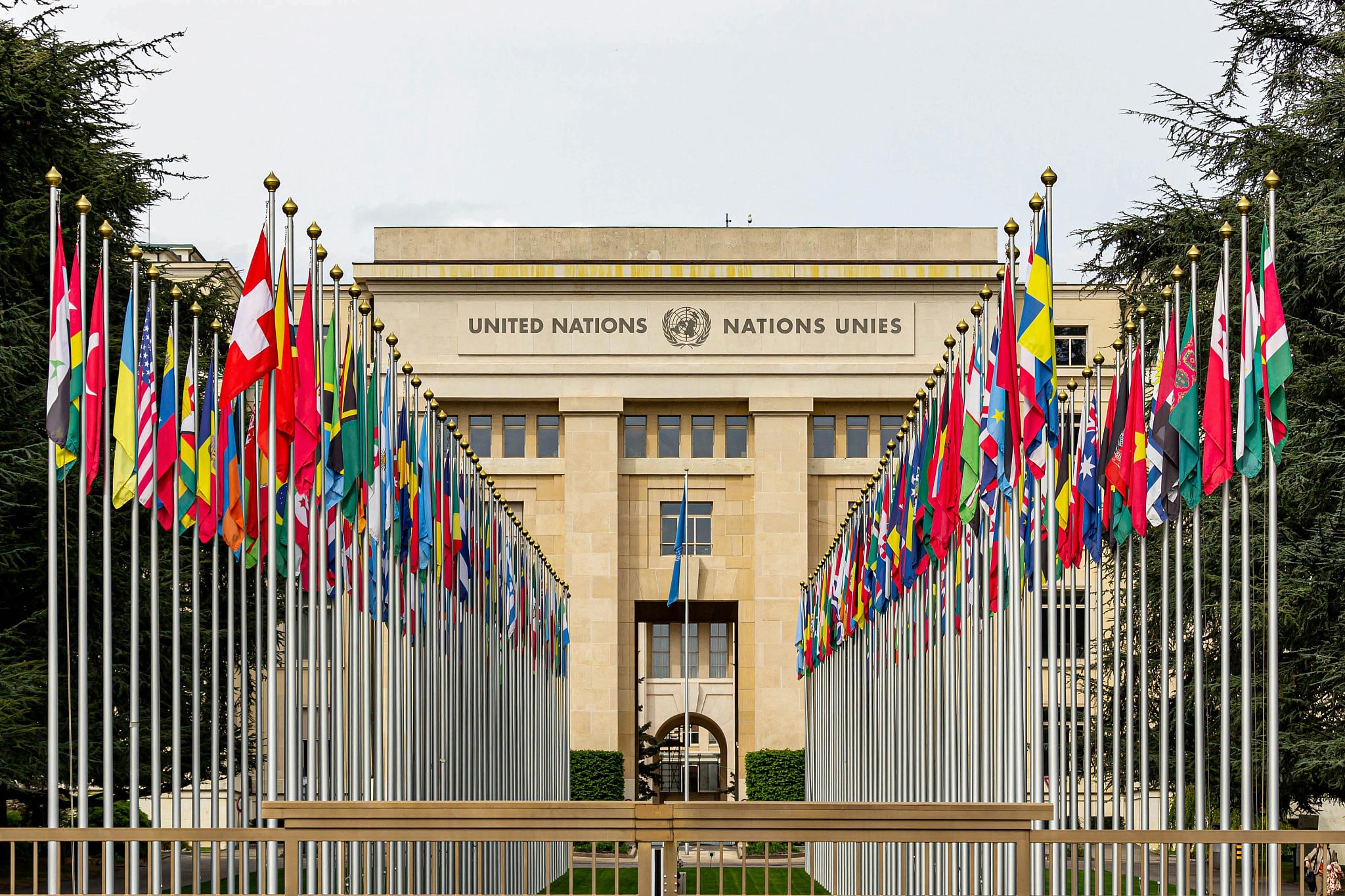
As authoritarian states gain influence within international institutions, growing questions surround the United Nations' treatment of Israel and its ability to uphold universal standards. (Pexels)
As authoritarian states gain influence within international institutions, growing questions surround the United Nations’ treatment of Israel and its ability to uphold universal standards.
For much of the postwar era, the United Nations has presented itself as the guardian of a rules-based international order. Its legitimacy rests on a simple premise: that international law and human-rights standards should be applied consistently, regardless of geography, ideology, or political power. Yet mounting criticism suggests that this principle is increasingly under strain—nowhere more visibly than in the organization’s approach to Israel.
Recent scrutiny of several UN-appointed experts has reignited concerns about political bias within parts of the UN system. Critics argue that certain officials tasked with advancing human rights have displayed a troubling willingness to overlook abuses committed by authoritarian regimes while directing disproportionate attention toward democratic states. The result is a growing perception that some UN mechanisms are becoming instruments of geopolitical competition rather than impartial guardians of international norms.
At the center of this debate is Israel. Few countries receive as much sustained attention from UN bodies, commissions, and special rapporteurs. Supporters of Israel contend that this level of scrutiny has evolved beyond legitimate criticism into a pattern of institutional exceptionalism—one in which the Jewish state is judged by standards rarely applied elsewhere.
The controversy intensified following the aftermath of Hamas’s October 7 attacks, which included documented acts of murder, kidnapping, sexual violence, and torture against Israeli civilians. While international condemnation of those atrocities was widespread, many Israeli officials and their supporters argue that parts of the UN system appeared more focused on allegations against Israel’s military response than on the crimes that triggered the conflict.
This perception has been reinforced by disputes over humanitarian assessments of the Gaza war. Several UN experts have accused Israel of deliberately restricting food supplies and inflicting collective punishment on civilians. Israel has rejected those allegations, arguing that it has facilitated aid deliveries while confronting an armed organization that embeds itself within civilian infrastructure and routinely diverts humanitarian resources. The disagreement reflects a broader struggle over narrative, evidence, and accountability in modern warfare.
More damaging to the UN’s reputation has been the growing concern over who shapes its human-rights agenda. Critics point to the prominent roles that authoritarian governments continue to occupy within various UN institutions. Countries with poor records on political freedoms, women’s rights, and civil liberties have frequently secured positions on committees and councils responsible for evaluating the conduct of others. Such arrangements inevitably raise questions about credibility.
The issue extends beyond symbolism. When governments accused of suppressing dissent or imprisoning political opponents gain influence over human-rights mechanisms, they acquire opportunities to shape international discourse, redirect scrutiny, and dilute criticism of their own conduct. In that environment, accusations of double standards become increasingly difficult to dismiss.
The debate surrounding the UN agency for Palestinian refugees, known as UNRWA, has further intensified concerns. Allegations that some agency employees participated in or supported Hamas’s October 7 attacks prompted investigations and funding reviews by several donor countries. Although the agency maintains that individual misconduct should not invalidate its broader humanitarian mission, the controversy has fueled wider questions about oversight and accountability within the UN system.
For Israel, these developments have reinforced a longstanding belief that portions of the international community apply unique standards to the country’s conduct. Critics of the UN note that Israel, a democratic state with an independent judiciary and vibrant civil society, is often grouped alongside regimes and organizations whose records on human rights are far more severe. Whether or not one accepts that characterization, the perception itself has become a significant diplomatic reality.
The consequences extend beyond Israel. If international institutions are viewed as selective in their enforcement of norms, their authority inevitably erodes. Human-rights mechanisms derive influence not from military power or economic leverage, but from trust. Once neutrality is questioned, even legitimate findings risk being dismissed as politically motivated.
The challenge facing the United Nations is therefore larger than any single conflict. It is a question of institutional legitimacy in an era of intensifying geopolitical rivalry. As authoritarian powers seek greater influence within global organizations and democratic nations become increasingly skeptical of multilateral institutions, the credibility of international governance depends on demonstrating consistency, transparency, and impartiality.
For Israel’s supporters, the country’s treatment within the UN has become a case study in institutional imbalance. For defenders of the UN, it is a test of whether criticism of state conduct can remain robust without descending into politicization. Either way, the controversy underscores a fundamental truth: international institutions can only command respect when they are seen to apply their principles equally to allies, adversaries, democracies, and dictatorships alike.
Related Topics
Related Posts