
Israel Needs to Change Its Narrative About the War
For months, the Israeli government and some Israeli news media have repeated the same arguments in response to international calls for Palestinian statehood: Recognizing a Palestinian state would “reward Hamas terrorism.” While this narrative resonates domestically, it fails to engage with the broader geopolitical concerns driving these diplomatic shifts, and worse, it inadvertently elevates Hamas’s standing while isolating Israel further.
The Counterproductive “Rewarding Terrorism” Argument
When allies like the UK and France signal willingness to recognize Palestine, they are not doing so to give any credit to Hamas. Their motivations stem from complex considerations: mounting humanitarian pressure, regional stability concerns, and frustration with Israel’s prolonged military campaign. By reducing this to simple “rewarding terror,” Israel misses opportunities to shape the diplomatic process.
This framing also backfires strategically. Every time Israel insists Palestinian statehood equals a Hamas victory, it reinforces the terror group’s claim to represent the Palestinians, exactly the opposite of what Israel wants. Hamas is a jihadist militia controlling Gaza, not a legal representation of Palestinians or Gaza. The conflation of Palestinian statehood with Hamas’s agenda ironically boosts the group’s international standing. And Israel should refrain from threatening to annex parts of Gaza if Hamas fails to agree to a ceasefire. Such a move would not only reinforce Israel’s aggression as an invader but also reinforce the perception that Hamas is defending Gaza as a resistance force for Gazans.
Understanding the International Perspective
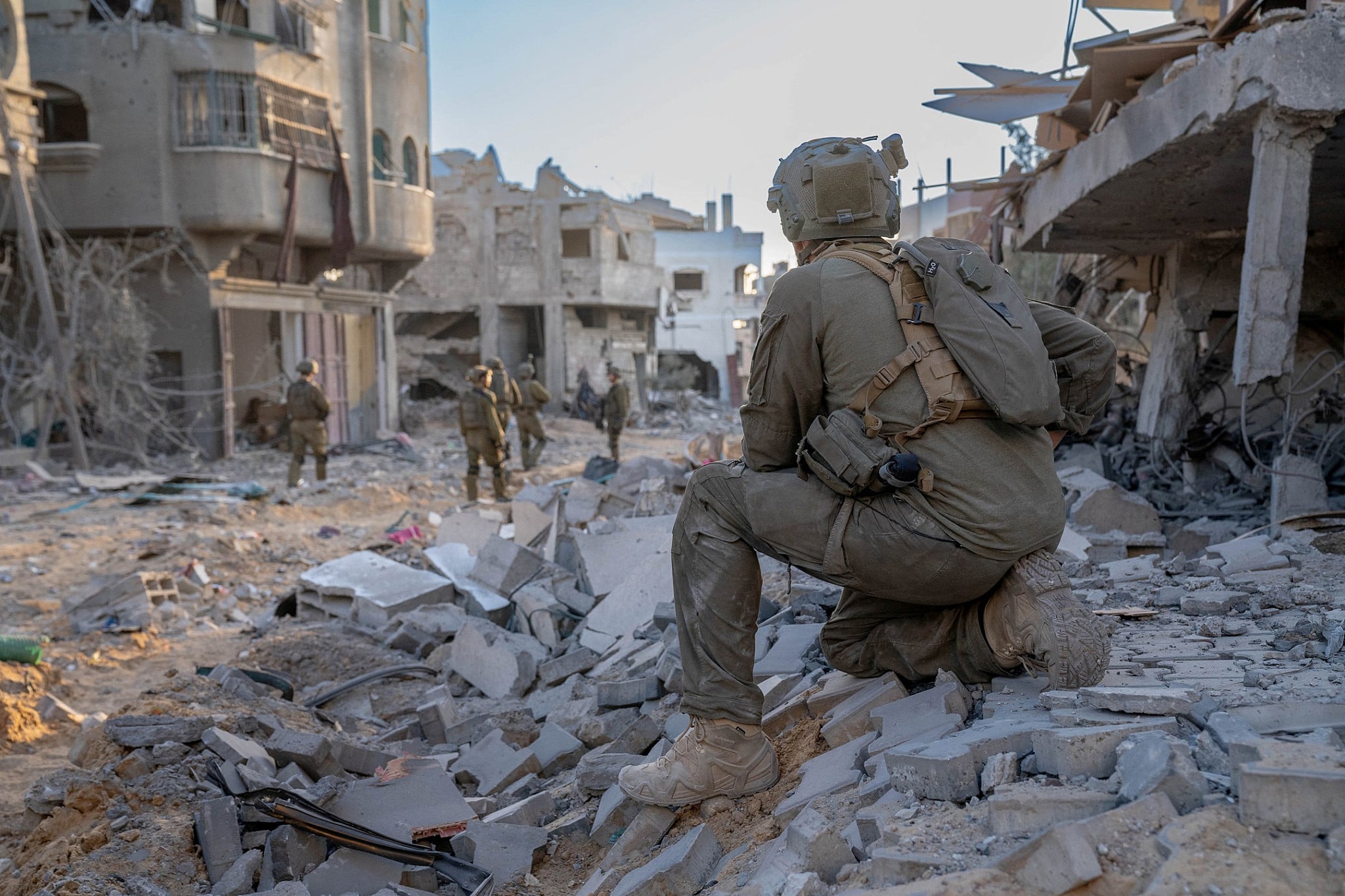
From outside the Israeli bubble, the war appears increasingly like a quagmire with no clear political endgame. The staggering civilian toll and lack of a credible postwar vision have eroded global patience. When Israel dismisses diplomatic gestures as “rewards for terror,” it sounds tone-deaf to nations seeking non-military solutions, and it diminishes the hope that Israel is a peace-seeking country and a worthy partner for cooperation.
Even the US, Israel’s closest ally, has supported the concept of a “reformed PA” governing Gaza, a stance Israel has rejected outright. This reflexive opposition leaves Israel isolated as the international community moves forward without it, Israel needs and cannot live without the international community and especially its allies.
The High Cost of Alienating Allies
Israel must recognize that harshly criticizing allied nations over this issue is ultimately self-defeating. Countries moving toward recognition, including long-standing partners like France, UK and Canada, have been and will remain Israel’s allies. We cannot discredit all of them because of this single policy difference, even if we strongly disagree with their timing and approach.
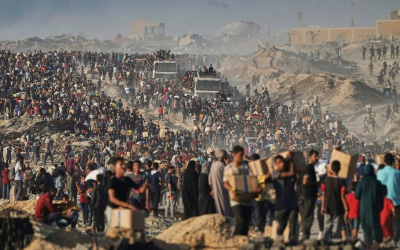
The reality is more nuanced: many of these nations are acting out of genuine concern over the humanitarian situation and political vacuum in Gaza, not support for Hamas. Blanket condemnations only push them further away at a time when Israel needs to maintain as much international support as possible. And there are more than 140 countries recognized the Palestinian state, just downplay this mishap.
The Mounting Costs of Poor Messaging
Israel’s communications strategy has been disastrous. While Hamas dominates social media with images of Gaza’s suffering, Israel’s messaging remains reactive and overly reliant on October 7 trauma – powerful emotionally but insufficient after nine months of war.
The consequences are severe:
- Diplomatic isolation grows as traditional allies distance themselves
- Legal risks increase with ICC and ICJ cases gaining traction
- Long-term security suffers without a political horizon
A Necessary Strategic Shift
To regain PR leverage, Israel must:
1. Separate Hamas from the Palestinian cause in international discourse
2. Present a credible postwar vision that addresses legitimate concerns
3. Rebuild bridges with allies rather than burning them
4. Recognize that criticism often stems from real concerns, not just bias
5. Tell more details regarding what’s going on in Gaza, giving its allies more access to facts of Gaza and the west bank.
The majority of the world is not pro-Hamas. But if Israel insists on seeing every criticism through that lens, it risks becoming a self-fulfilling prophecy. Changing the narrative isn’t surrender, it’s the only path to understand and to be understood.