Israel’s Future on the Ballot
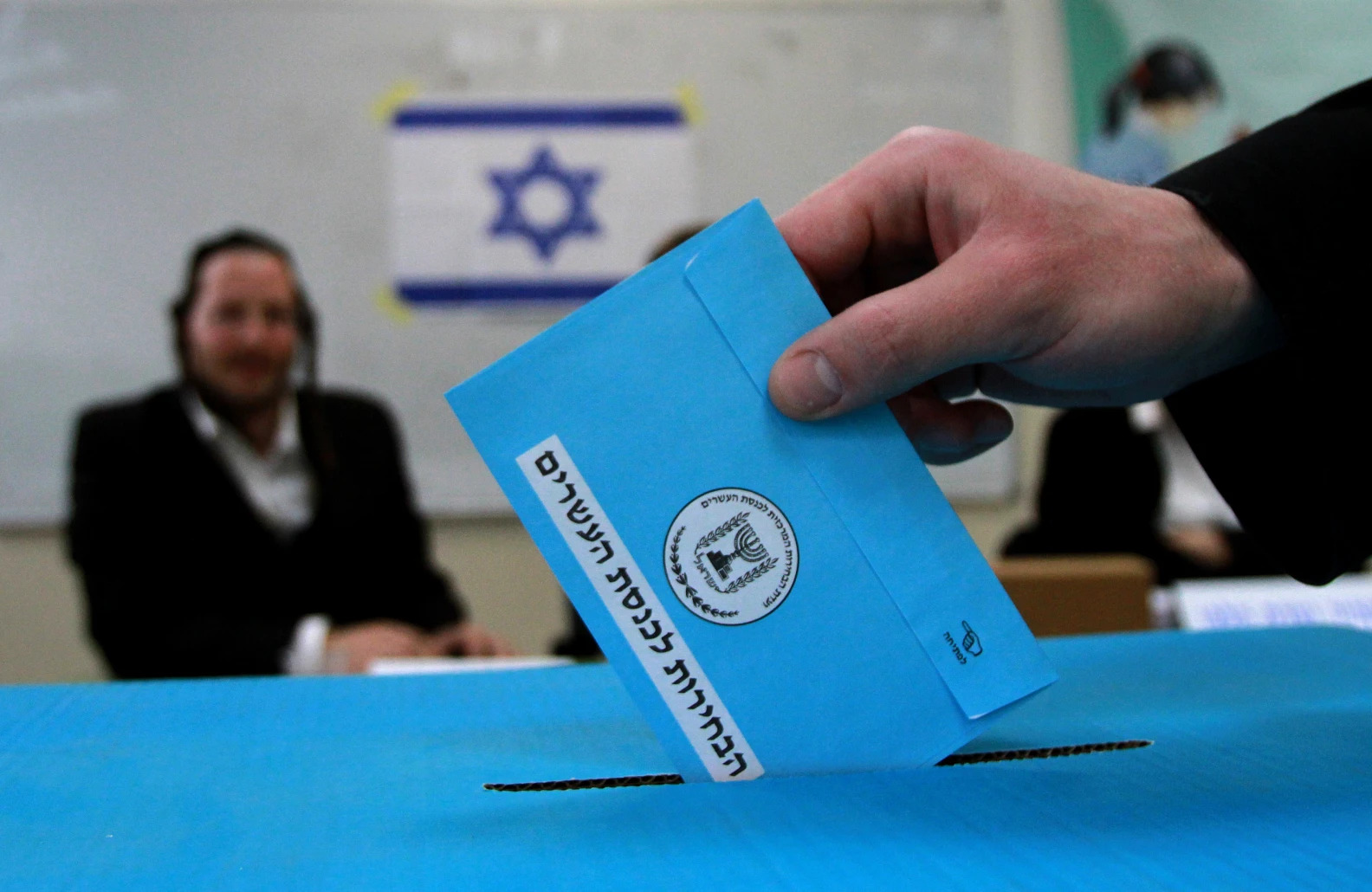
Israel is approaching a defining election.
The next Knesset vote will not simply determine who sits in the Prime Minister’s Office — it will decide whether Israel remains a cohesive, democratic, and forward-looking society, or continues to fracture under the weight of polarization and mistrust.
After years of repeated elections, judicial battles, and coalition collapses, Israelis are exhausted. But exhaustion cannot become surrender. If Israel is to save its future, the coming elections must be fought — and won — with a vision that restores national purpose and public confidence.
The Stakes Could Not Be Higher
The stakes are existential — politically, socially, even spiritually.
The last two years have exposed how fragile Israel’s democracy can be when leadership prioritizes survival over service. Trust in government institutions is near historic lows. Young Israelis are disillusioned, reservists are demoralized, and public debate has turned into tribal warfare.
Winning the next Knesset election must therefore mean more than cobbling together 61 seats. It must mean winning back the belief that Israel can govern itself with integrity, competence, and compassion.
Reclaiming the Center — and the Majority
The key to victory lies not at the extremes, but in the broad center — where most Israelis actually live.
The silent majority wants balance: security without fanaticism, religion without coercion, and reform without authoritarianism. That middle has been abandoned by politicians who prefer outrage to outreach.
Any campaign hoping to govern must rebuild this center. It must speak simultaneously to secular and religious Israelis, Jews and Arabs, city dwellers and peripheral towns. It must show that democracy is not the enemy of Jewish identity, but its necessary safeguard.
Security, Economy, and Dignity
Security will always dominate Israel’s agenda — but it must be redefined. True security means more than military preparedness; it means a functioning state that provides affordable housing, jobs, education, and social stability.
Israelis are working harder but falling behind. The cost of living remains suffocating. Housing is unaffordable for young families. Parents worry that their children will leave for Berlin or Silicon Valley because opportunity feels out of reach at home.
A winning message links defense with dignity: protecting borders while rebuilding the middle class.
Coalition Politics: From Arithmetic to Vision
Israel’s fragmented political map makes coalition-building the art of endurance. But the next governing coalition cannot simply be a collection of survivalists and seat-counters. It must be an alliance of purpose.
That means early coordination among centrist and moderate-right parties, a willingness to include Arab-led factions as full partners in shaping the national agenda, and the courage to say no to the politics of perpetual fear.
Voters are ready for seriousness again — for leaders who talk less about enemies and more about solutions.
Restore the State Before Reforming It
Much has been said about “reforming” Israel — from the courts to the conscription laws to the Basic Laws themselves. But before reform, we must restore. Restore trust. Restore competence. Restore the belief that government can still work for ordinary citizens.
The next leadership must focus less on ideological engineering and more on repair: professionalize the civil service, depoliticize the judiciary, empower local government, and end the cynical weaponization of national institutions for partisan gain.
Speak the Language of Unity
Campaigns in Israel too often speak the language of fear. That must change.
Israelis are desperate for leaders who can inspire again — who can talk about belonging, not betrayal; about partnership, not paranoia.
Unity does not mean uniformity. It means rediscovering the shared civic DNA that has allowed Israel to survive every challenge for 76 years.
The Path to Renewal
Winning the Knesset elections is not about replacing one leader with another. It is about redefining leadership itself. The next prime minister must be the one who can say: Israel’s strength lies not only in its army or economy, but in its people — in their shared decency, their resilience, their refusal to give up on each other.
If Israel can produce a politics that matches the moral courage of its citizens, it will not only win the next election — it will win the next generation.
Israel has overcome wars, terror, and isolation. What it cannot survive is apathy. The task ahead is to win back faith — faith in the state, in each other, and in the very idea of Israel itself.
That, ultimately, is how to win the Knesset elections — and save Israel’s future.