Israel’s Ministry of Tourism Presents Plans and Investments for the Future
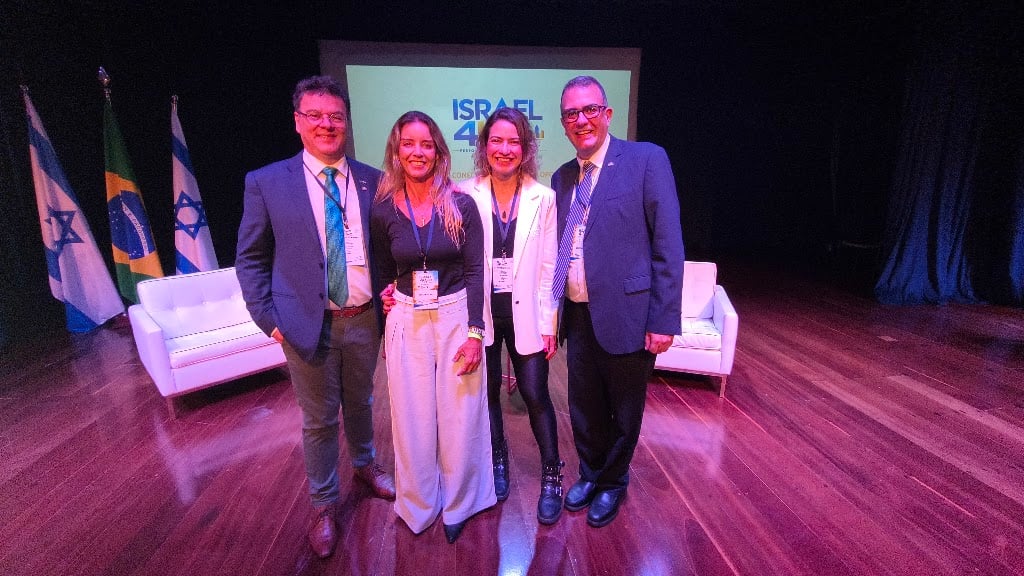
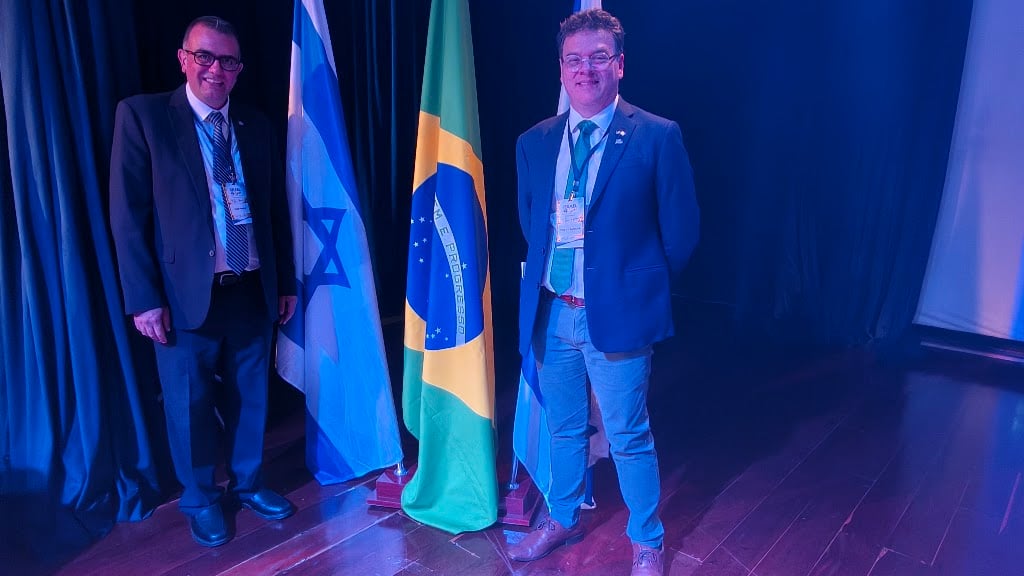
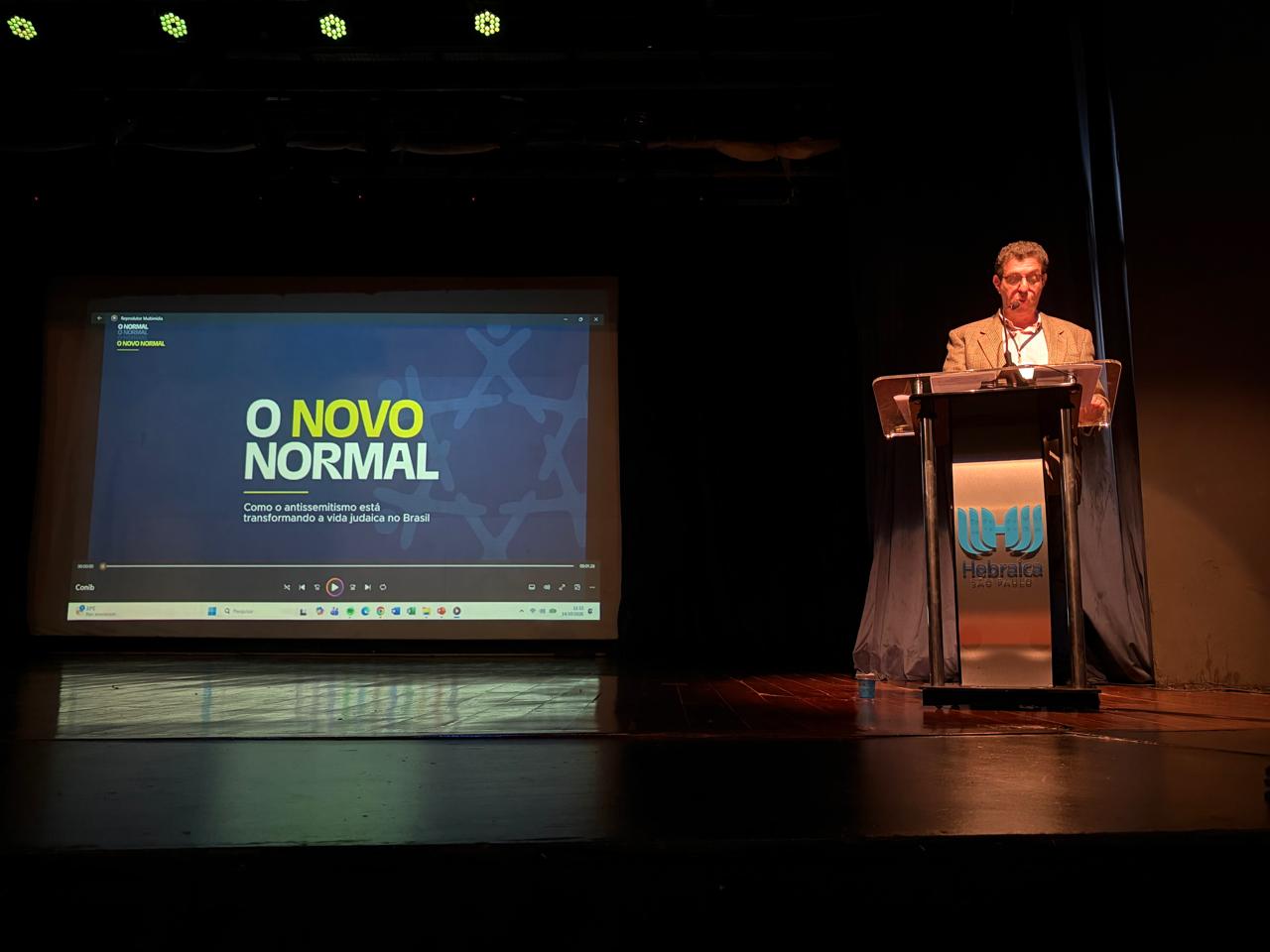
On October 14, at Clube A Hebraica in São Paulo, the Israel Ministry of Tourism hosted the professional event Israel 4U. The meeting brought together representatives of the Ministry, Brazilian tour operators and agencies, as well as the Consul of Israel in São Paulo, Gili Vilian.
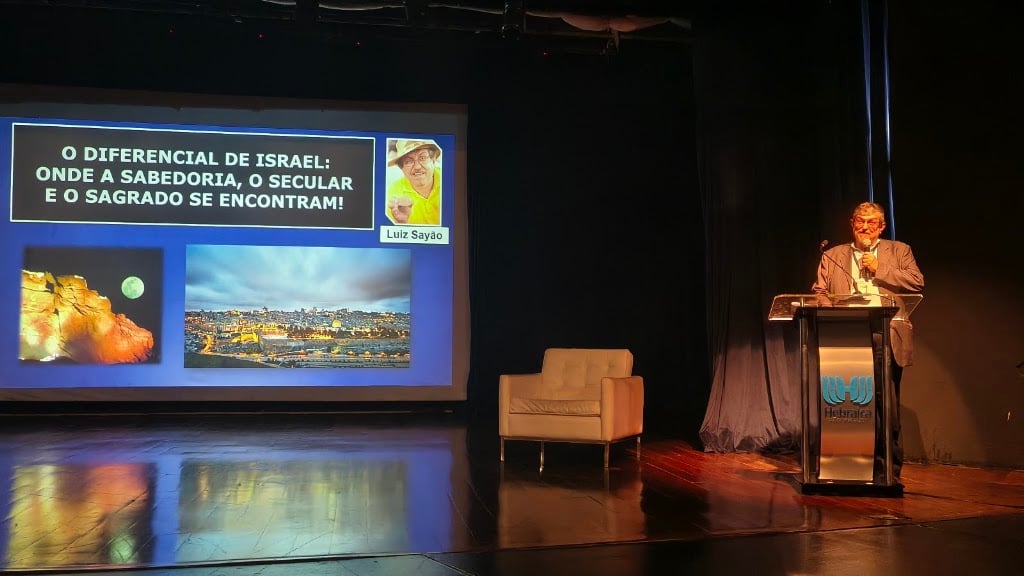
Representing the Ministry of Tourism of Israel were Paulo C. Barbosa, Director for Brazil; Carolina Dias, Public Relations; and Renata Vuono, Marketing. Among the speakers were Marina Figueiredo (Braztoa), Sergio Napchan (Conib), João Vicente, Ygor Czovny, and Luiz Sayão.
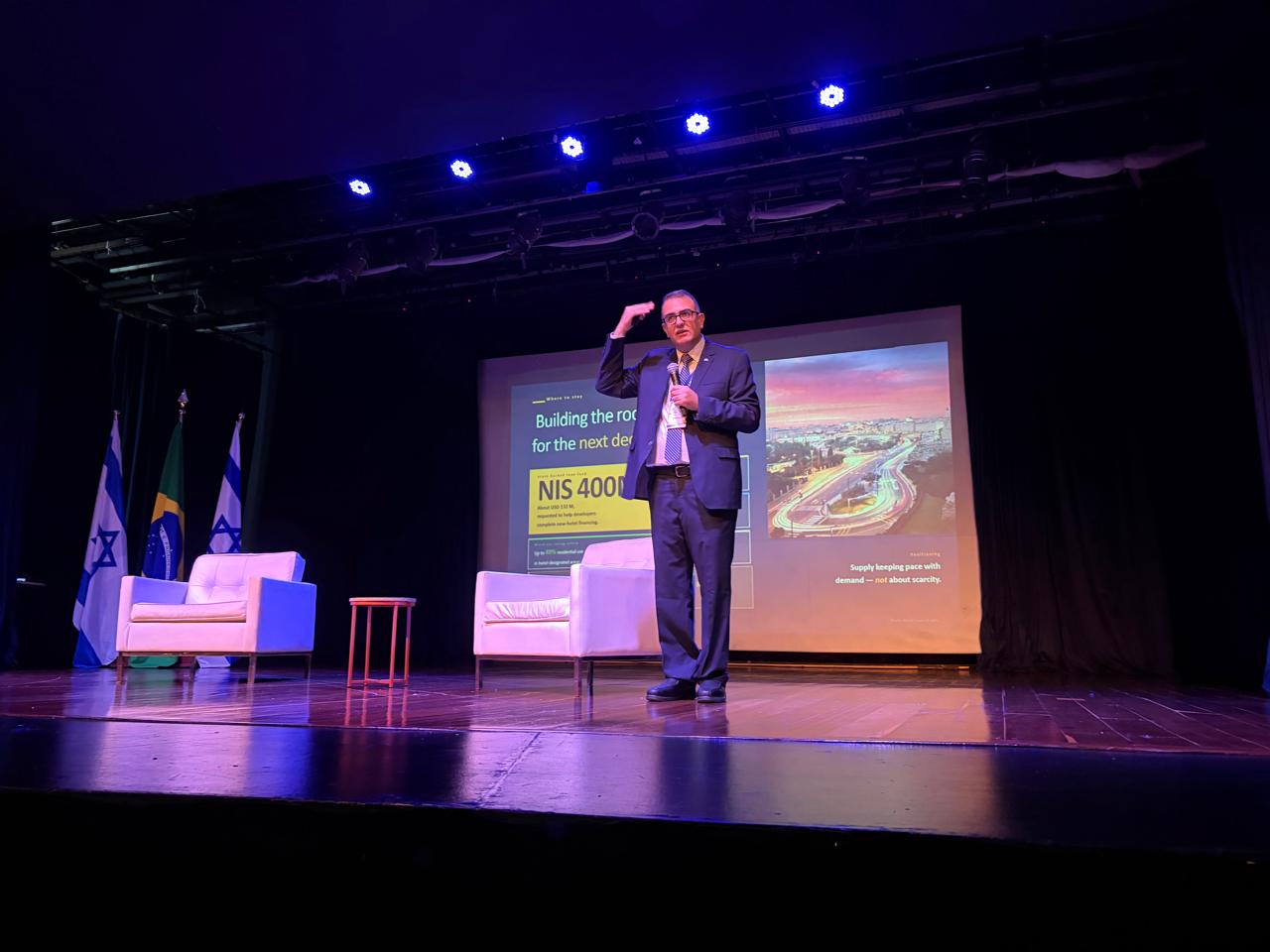
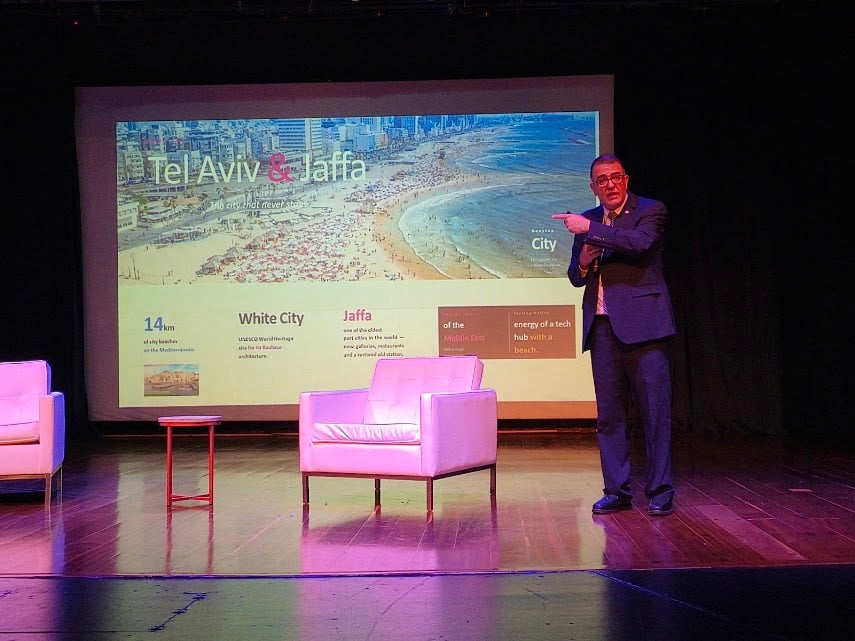
The highlight of the program was the conference by Yosef Penhos, newly appointed Regional Director and Representative for Spain and Latin America, a Mexican national living in Israel. In his first official presentation to the Brazilian market, Penhos offered a comprehensive overview of Israel’s unique features as a destination and outlined expansion goals for the coming years. He also emphasized the Ministry’s recent restructuring, designed to give strategic priority to Iberian and Latin American markets, with the aim of continuously increasing visitor flows to the region.
Israel as a Destination
With just 22,000 km² and around 10 million inhabitants, Israel stands out for its religious and ethnic diversity. The country encompasses four seas — the Mediterranean, the Red Sea, the Sea of Galilee, and the Dead Sea — and is home to the Negev Desert, known for producing internationally awarded wines.
Everyday safety was highlighted as a central advantage: lost cell phones are returned, and teenagers walk alone at night without concern, in contrast to external perceptions of conflict. Historic sites remain in active use, such as masses at the Church of the Holy Sepulchre and prayers at the Western Wall.
Gastronomy and cultural life also took center stage: Tel Aviv asserts itself as a vibrant hub, with a diverse artistic program and festivals that attract visitors from all over the world.
Goals and Investments: Toward 7 Million Tourists by 2030
Before the war, in 2019, Israel welcomed 4.5 million tourists. In 2025, the number fell to about 1.3 million, but September showed a 20% increase compared to the previous year. The official target is to reach 7 million visitors by 2030.
For those working with international tourism, this year has been the most challenging. Following the war and the rise in oil prices, sales dropped significantly. Even so, I remain hopeful that with the reopening of some destinations — especially Israel — and travelers planning better, next year will bring recovery. In my 14 years in the industry, 2026 has been the toughest period, even more than the pandemic.” — Claudia Amorim, tourism professional.
To achieve this, the government is investing heavily in infrastructure:
- 174 million shekels in tourism projects
- 132 million dollars for new hotels
- 10 developments planned by 2028, adding 1,200 rooms
- Opening of the world’s first fully accessible hotel for people with disabilities
During the war, around 150,000 displaced citizens were housed in hotels, which spurred renovations and modernization. New legislation now allows mixed-use projects (hotel + residential + commercial), and the Ministry’s innovation unit is already integrating AI and technology into tourism offerings.
Brazil–Israel: A Strategic Priority
Brazil was highlighted as the Ministry’s main investment priority in the region. In 2019, 82,000 Brazilians visited Israel; by September 2025, the figure was about 20,400, with 1,200 in September alone.
Two factors are considered critical for recovery:
- Direct flights: the Buenos Aires–Tel Aviv route begins in November, and efforts are underway to restore the São Paulo–Tel Aviv connection.
- Travel agent training: the Ministry will offer courses lasting up to four months, in addition to joint campaigns and participation in trade fairs.
The new institutional campaign, “I’m Israel”, seeks to reposition the country’s image and reinforce its appeal. The sector was also praised for its resilience during crises, with operators ensuring communication and swift rescheduling.
We are here to work side by side with Brazilian professionals. Our restructuring aims to bring decision-making closer and provide all the necessary support so that the market feels complete confidence and can rely on our active partnership,” emphasized Yosef Penhos to industry partners.
About the Israel Ministry of Tourism (IMOT)
The Israel Ministry of Tourism is the official government body responsible for the development, infrastructure, promotion, and marketing of the country as a global destination. The office in Brazil provides direct support to industry professionals, tour operators, travel agencies, and the press.