
Knesset Insider
Israel’s Silent Crisis Part IV: The Uniform Isn’t the Only Way to Serve
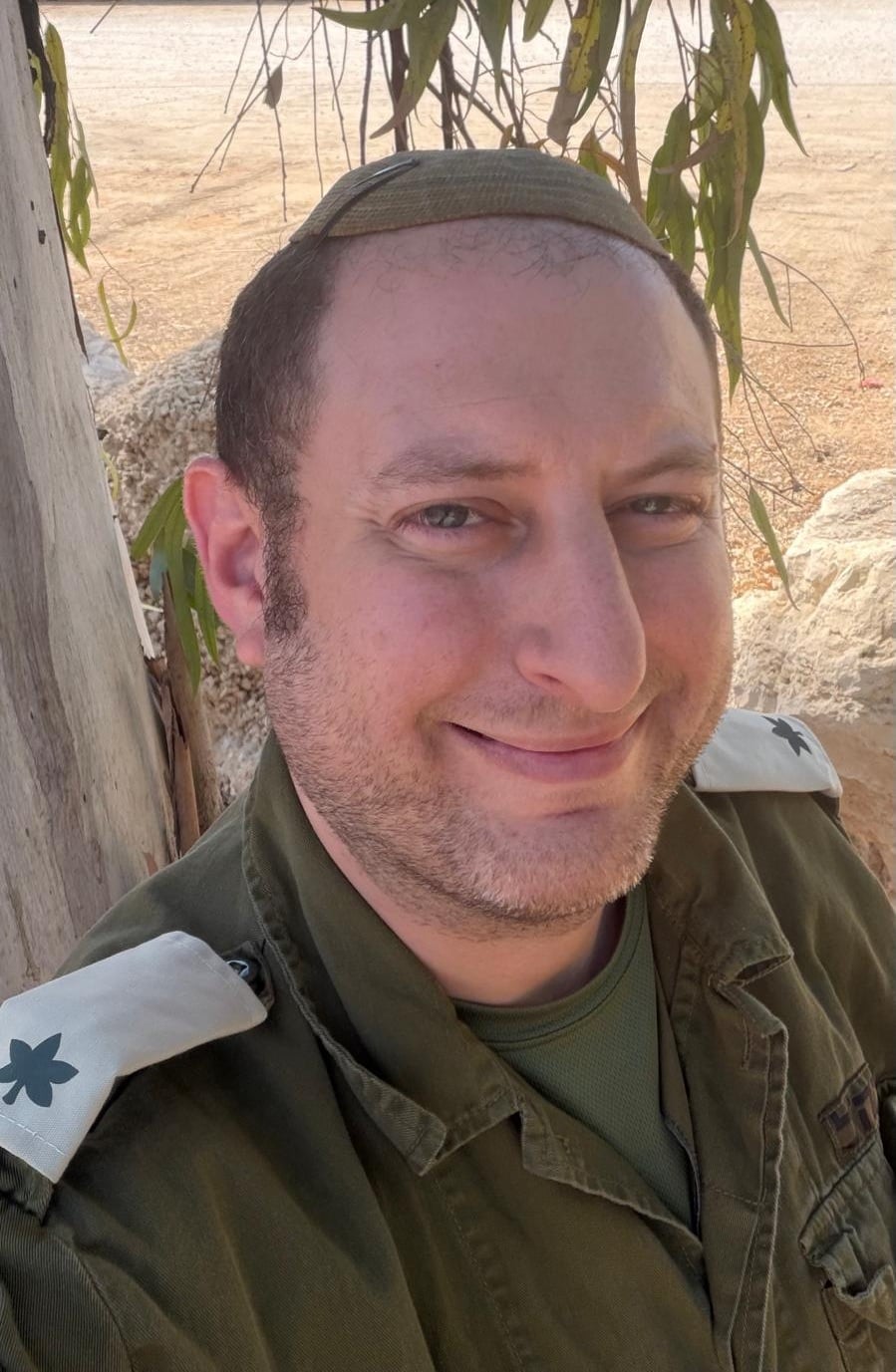
Selfie in uniform
Three years ago, on October 7, everything changed.
Israel changed. And I changed with it.
Before October 7, I had already spent much of my adult life in public service and politics. I had served in the army, continued in the reserves, worked in the Knesset and spent years helping shape decisions from behind the scenes in public service.
I was comfortable there.
October 7 changed that too.
Since that day, I have spent more than 630 days in reserve duty. I went from being a reservist answering the call for a week or two a year to serving for extended periods and, today, commanding soldiers as a company commander with the rank of Major.
Those days changed the way I understand responsibility.
I learned what it means when people are looking to you for decisions, both in the field and during situational assessments. But I also learned what it means when they are looking to you for reassurance that the system they are serving still works, and that their sacrifices have meaning.
I learned firsthand how much our reservists and their families carry quietly, from my soldiers and from my own experience. I learned what it means to juggle military life, family life and work life.
And I learned that leadership isn’t a title or a place on a list. It’s showing up when you’re needed, taking responsibility when things are difficult, taking risks and putting something larger than yourself first.
There wasn’t one particular moment when everything clicked. But somewhere along the way, I realized that I could no longer be satisfied contributing only from behind the scenes. I had to do more.
If I believed Israel needed different leadership, then I had a responsibility to step forward myself. A responsibility to say publicly who I believe should lead this country, but also to put my own name, ideas and record before the public and ask for the opportunity to serve in a different way.
October 7 took things from all of us that can never be returned. So many of us lost people we cared about that day and throughout the war that followed.
And the consequences are still with us. I have soldiers who are still going through medical committees, many because of the psychological toll of what they experienced. Over the last three years, some of my soldiers have left the country. These are also costs of this war, costs that don’t end when a reserve order ends or when someone takes off their uniform.
But I have also seen what Israelis are capable of. I have watched ordinary people give extraordinary amounts of themselves to this country. Reservists, their families, volunteers and so many others who simply stepped forward when Israel needed them.
I feel a responsibility to bring their voices with me too. The people carrying this country on their shoulders should have a meaningful voice in shaping where it goes next.
That is the difference between the Jeremy who existed before October 7 and the Jeremy who exists after it.
I am more determined, more conscious of the weight of responsibility, and more committed than ever to building an Israel worthy of those who have sacrificed so much for it and of those building their lives here today.
Three years later, I’m still serving.
The uniform isn’t the only way I hope to serve anymore.
Related Topics