It was never really just about the baseball
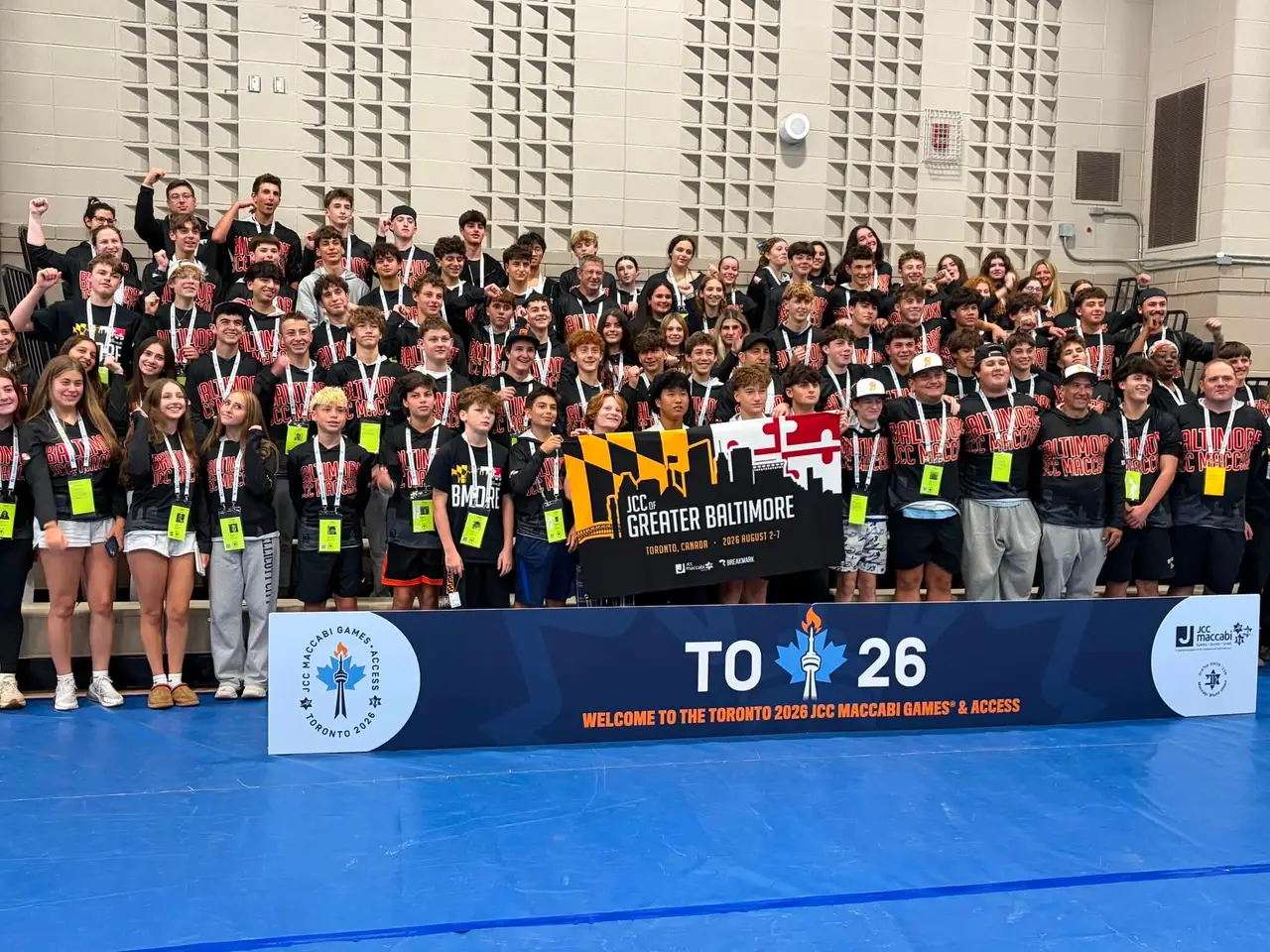
Last week, we went to Toronto to watch our son play baseball.
He was part of Baltimore’s 17U team competing at the JCC Maccabi Games.
This wasn’t our first Maccabi experience. We’ve done this before. We knew the excitement, the competition, the pin trading, the friendships, and everything that comes with the week.
But this one felt different.
Maybe because I knew it was his last.
I went as a father, expecting to watch a lot of baseball. And I did.
But I found myself paying more attention to everything happening around the baseball.
There were Jewish teenagers from communities across North America and beyond. Different cities. Different schools. Different levels of religious observance. Different backgrounds.
And for those few days, none of that seemed to matter.
They competed. They cheered. They traded pins. They hung out. They met kids they probably never would have met otherwise. They experienced new cultures.
They were just Jewish teenagers being together.
Maybe because I knew this was the last time I would experience Maccabi as a parent, I found myself taking more of it in.
We spend a lot of time worrying about the future of the Jewish community.
Will the next generation stay connected? Will they join synagogues? What schools will their kids go to? Will they support Jewish organizations? Will they care about Israel? Will they feel connected to Jews outside their own immediate circles?
They’re important questions. I spend a lot of my professional and volunteer life thinking about organizations wrestling with them.
But standing there last week, I wondered whether we sometimes make this more complicated than it needs to be.
I was watching hundreds of Jewish teenagers just being together.
Nobody needed to give them a presentation about Jewish engagement.
They were living it.
My son went to Toronto to play baseball. Baseball gave them a reason to gather. And gathering created everything else.
Friendships. Memories. Connections between cities. The experience of arriving somewhere knowing very few people and still being part of something larger.
Maccabi also reminded me that the JCC movement is bigger than any one building or program.
At its best, it creates opportunities for Jewish life to happen naturally. Not because someone tells you that you should feel connected.
Because you actually are connected.
We talk a lot about Jewish engagement and how to create it, particularly for the next generation.
Maybe part of the answer is simpler than we think.
Create experiences they want to be part of. Give them a reason to show up. Give them something meaningful to share.
And then let relationships do what relationships do.
Because the future of Jewish life will ultimately be built the same way I watched it being built in Toronto: people connecting with people.
I’m sure my son will remember the baseball.
And he’ll remember the friendships and everything else that came with it.
As for me, I think I finally understood what I had been watching all along.
It was never really just about the baseball.