‘Jew-Free Zone’ – My Experience in the West Bank
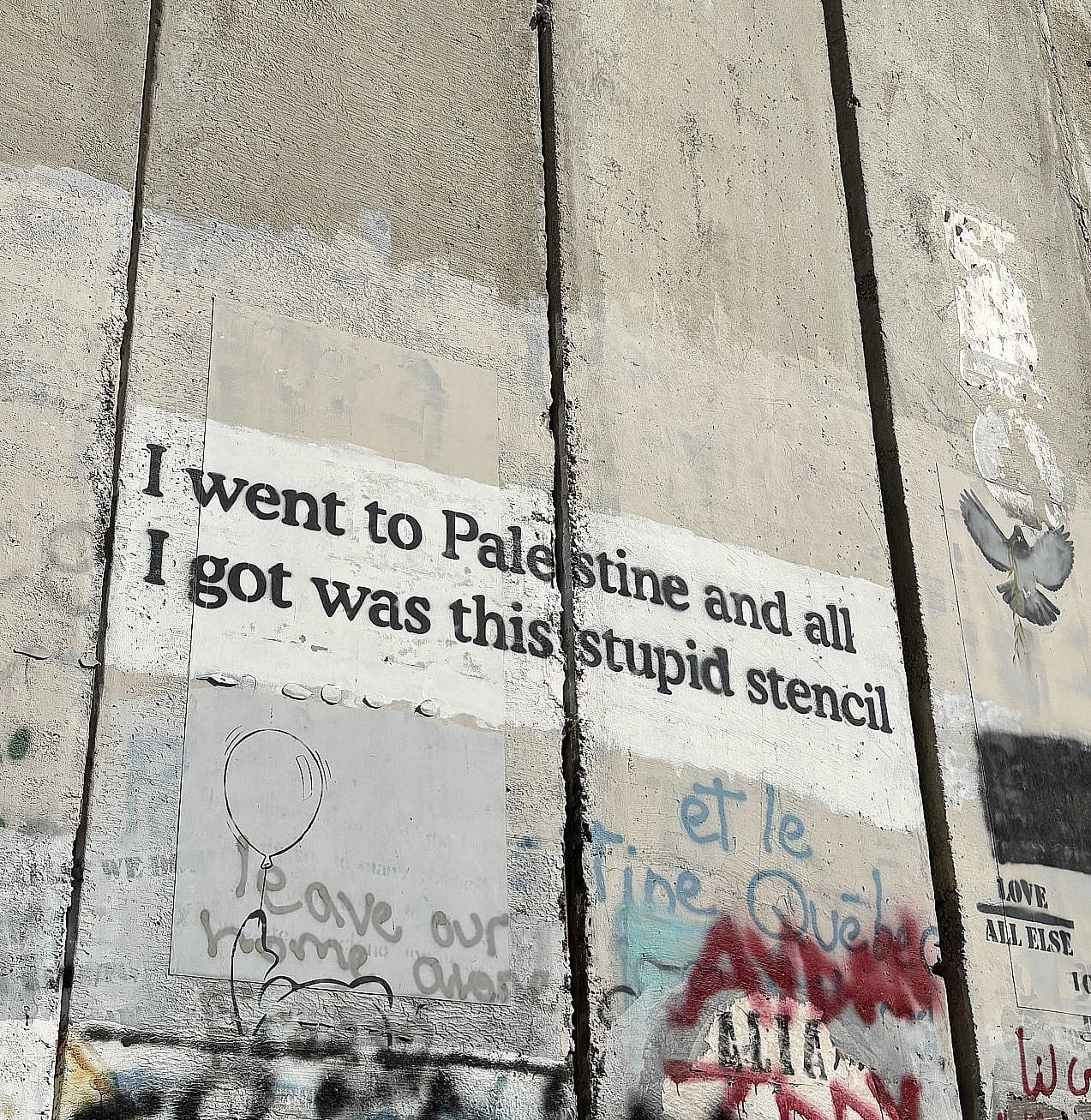
For me, I have always been invested in the Israeli-Palestinian conflict and its many dimensions. I’ve always been an advocate for peace and co-existence in the Holy Land and, as a supporter of Israel myself, I have spent plenty of time in Israeli cities and in Jewish spaces discussing this. However, as Israel’s war in Gaza raged on, and peace seemed more distant, I started to also speak to Palestinian peace activists across the world and understand their view on the conflict, bridging part of the divide through dialogue and pragmatism. But, I wanted to go a step further. I was in pursuit of helping to resolve this conflict and I wanted to see the Palestinian territories through my own eyes, not through those of Israel or Al Jazeera. So I chose to visit some of the most contested areas of the Palestinian Authority-controlled West Bank.
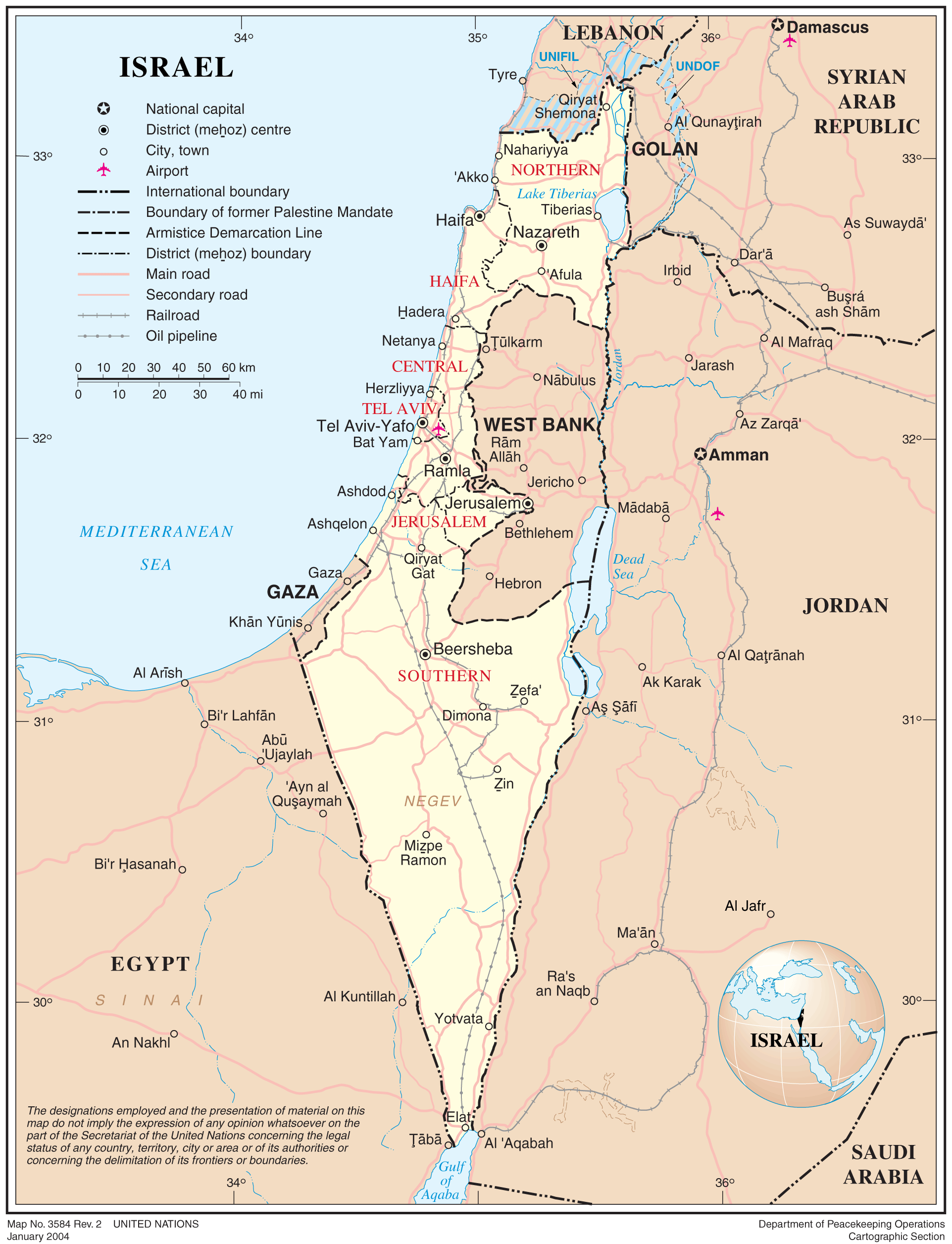
I chose to visit the Southern West Bank as it sits in the biblical region Judea, meaning the “Land of the Jews.” As someone who is Jewish and has many Christian family members, the Holy Land carries profound religious and historical significance for me, encompassing sites central to Judaism and Christianity alike: where Jesus was born, where Abraham’s family is buried, and where the Temple of Jerusalem once stood. However, cities like Bethlehem and most of Hebron are under full Palestinian control and under the Oslo Accords, no Israeli citizen can enter. While this is what is outlined in the agreement, Arab Israelis enter Palestinian areas freely while Jews are largely prohibited due to safety concerns.
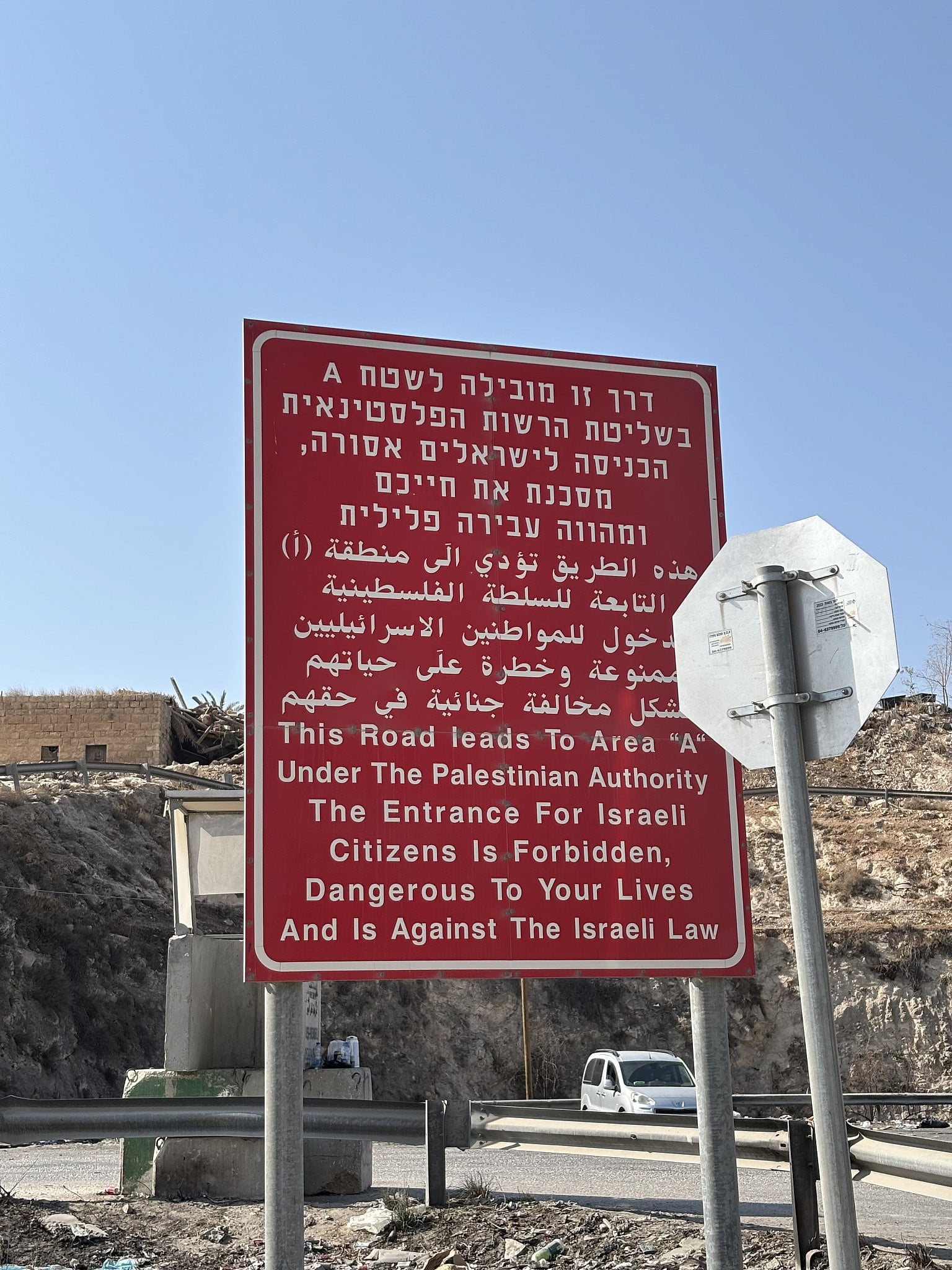
Unlike most tourists who visit the West Bank, I was not in a big group with a protected vehicle. But rather, I was dropped off a short walk away from the checkpoint and made to enter all by myself. Against the advice of many of my friends, I walked towards the Palestinian checkpoint and entered Bethlehem. It was a quiet morning and within a few seconds, I was on the other side of the border. I met my tour guide, Marwan, and we exchanged a few words before I revealed my big secret: I was Jewish. I explained my background, my faith and my mixed heritage. To my surprise, he had never met a Jew in his many years of life. Yet, he chose to show so much kindness and compassion. He explained that Bethlehem is a very mixed city, compared to many other Palestinian cities, with Muslim and Christian residents living side-by-side. Over the course of the morning, I got to meet many of his Christian friends and colleagues, living in the heart of Judea, right where Jesus himself was born.
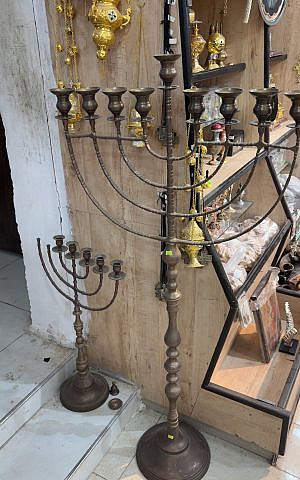
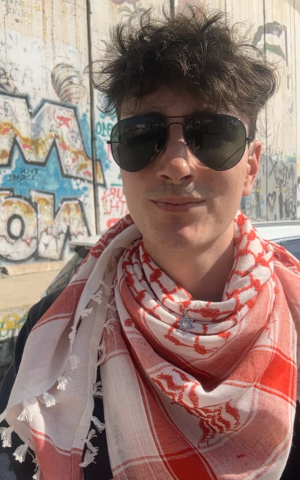
As my tour guide, Marwan took me around, I picked up a red-and-white keffiyeh so I could look a little more local. In my true fashion, I kept my silver Star of David visible during my entire visit, even if it was over my dessert scarf. Before leaving Bethlehem, I made a quick pit stop in a souvenir shop. Whilst I browsed the shop, the shopkeeper spotted my necklace and found two Jewish items hidden in the back of his shop: one extremely tall Hannukiah and a broken Menorah. Despite being his first-ever Jewish customer, I politely declined and opted for a few Christian ornaments for my family.
As we continued our tour, we stopped at the Mercedes’ showroom in Beit Sahour, just South of Bethlehem. I found myself admiring the gleaming Mercedes vehicles sitting in the sun, a scene that contrasted sharply with how I had imagined the Palestinian territories. I was also surprised to find out that Mercedes’ official Palestine branch had two other dealerships in the West Bank.
The morning I spent in and around Bethlehem, Beit Sahour and Beit Jalah was calm: people were friendly, the mood was light and life seemed fairly regular. But this was to be expected as these are tourist towns, which are considered safe for tourists. However, I wanted to travel to the most disputed city in the West Bank: Hebron (Al-Khalil).
For context, Hebron is one of the most sacred cities in biblical history, located 20 miles South of Jerusalem. It is the site where Abraham purchased the Cave of the Patriarchs to bury his wife Sarah and is central to Jewish history, later becoming the capital of Judah. In the words of Israel’s first Prime Minister, David Ben Gurion, Hebron is “more Jewish than Jerusalem,” with its extensive 4000-year history.
As I was reading the book of Genesis at this point of the year, I felt it was fitting to visit Hebron, given its importance in this portion of the Torah. In the modern era, Hebron has been the sight of constant conflict and bloodshed. Most notably, in 1929 when almost 70 Jews were slaughtered in the streets of Hebron and in 1994, when over 20 Muslims were shot whilst praying in the Cave of the Patriarchs.
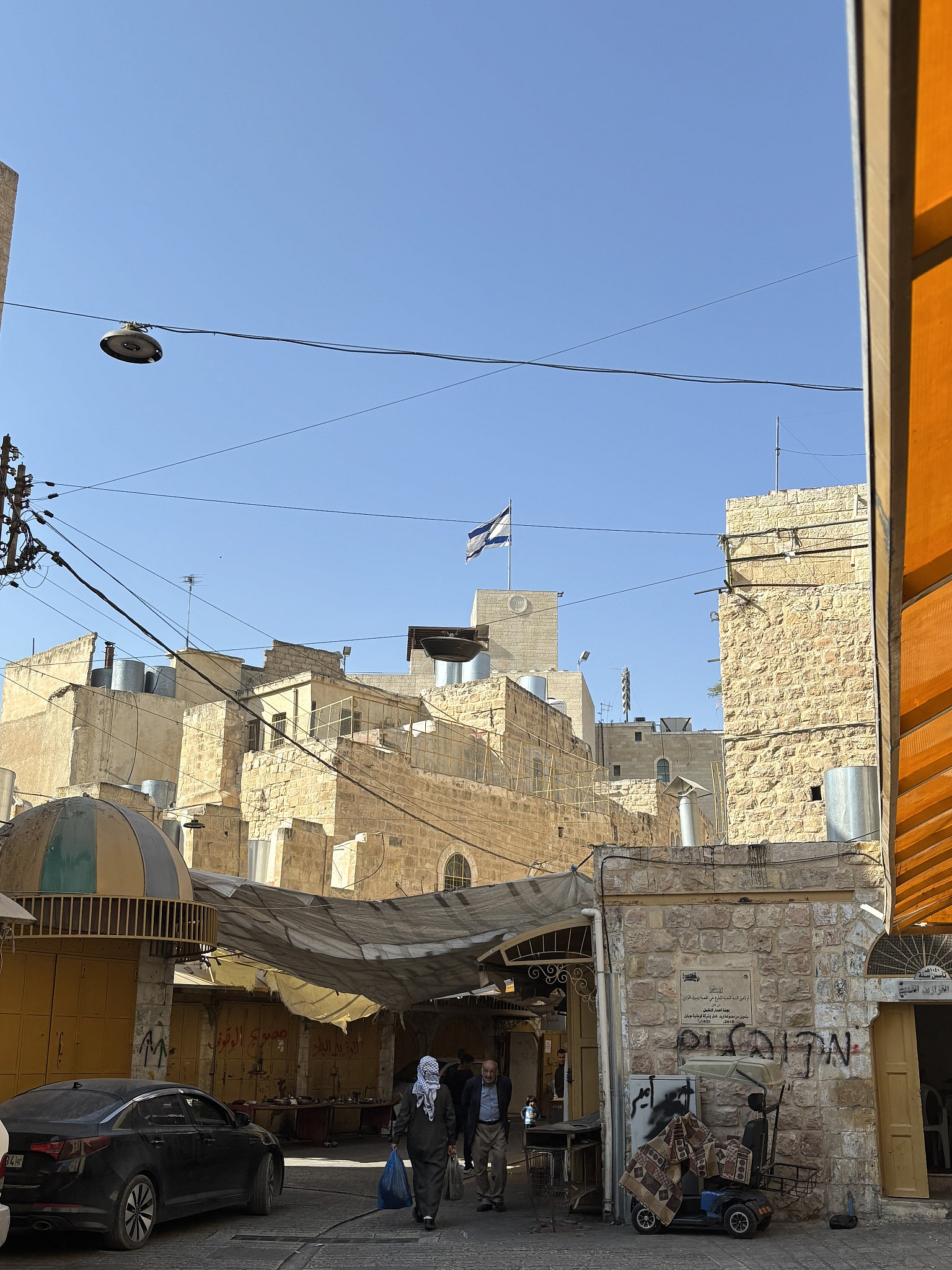
This photo perfectly captures central Hebron and Israel’s partial occupation of the city. On the bottom, you see a Palestinian road heading towards a market. Above, you see homes belonging to Jewish settlers with an Israeli flag flying in the wind. The city is home to over 200,000 Palestinians and just under 1000 Jewish Israelis. Despite the small Jewish presence, the division is extremely clear.
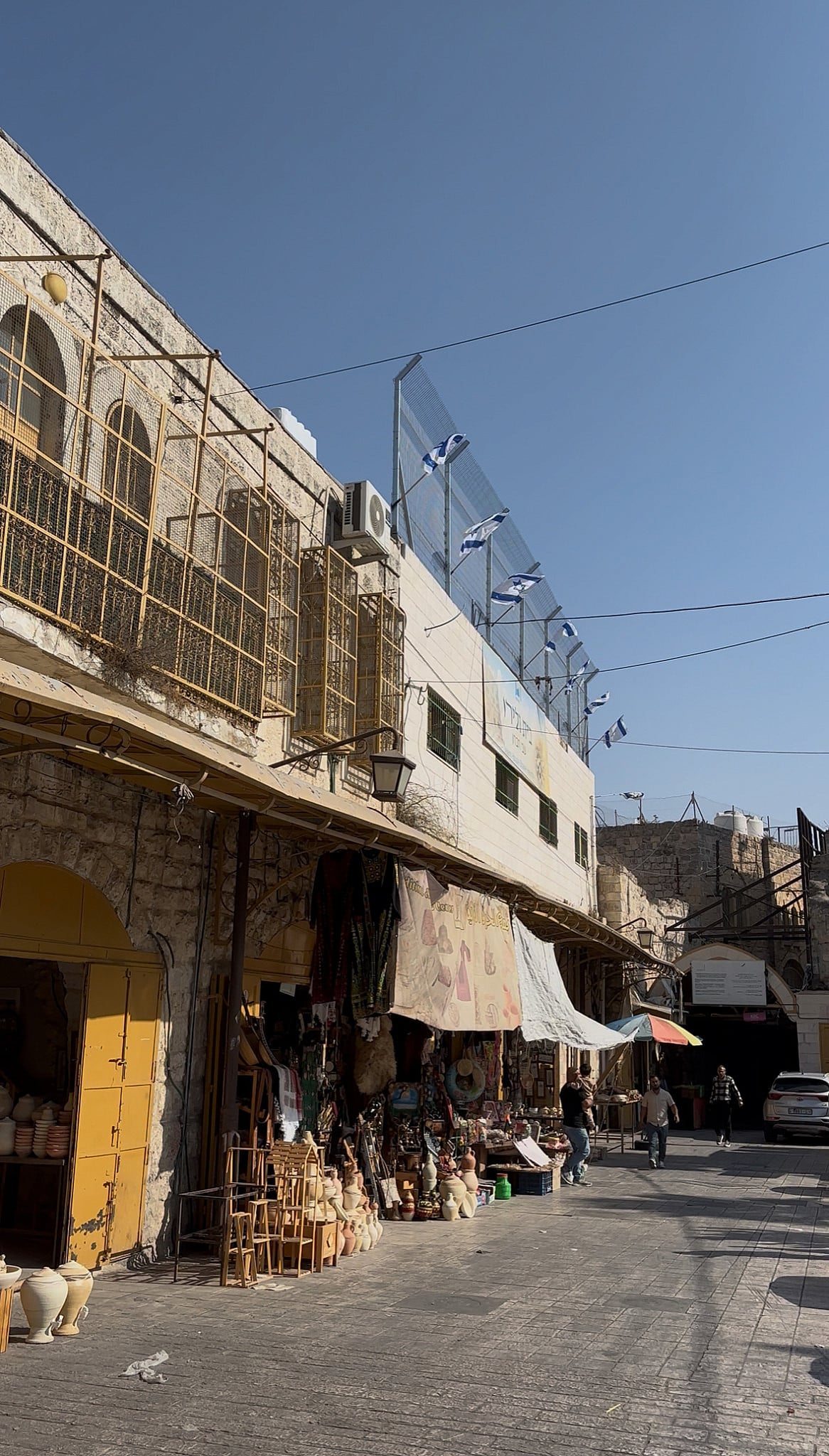
Similarly, in this photo, we see the division in Hebron with a Palestinian market below and Israeli flags and Israeli homes above. Hebron is one of the most significant cities in Judaism. Yet, it felt incredibly difficult walking around, seeing the extreme division throughout the city.
It felt exhilarating to walk around the world’s oldest Hebrew city and see the Torah come to life in Hebron. But, seeing the modern-day reality was definitely difficult to process. Either way, I was still happy to have stepped foot into a key page of biblical history, meeting many Palestinians along the way. I’m glad to have experienced the “other side” of the separation wall and believed to have changed the hearts and minds of many people I met. For the dozen or so individuals I met and spoke to, almost none of them had ever met a Jew, other than the occasional settler or soldier. So, in summary, I’m hopeful that eventually both Jews and Arabs can live peacefully from the river to the sea. I’m hopeful that Judea can maintain its connection to Judaism, whilst also ensuring the safety of Jews, Muslims, Bedouins and Christians living in the historical region.