
Jewish organizations are losing the AI war against Jew-hate
Today, more Jewish organizations than ever before are dedicated to fighting antisemitism. Yet antisemitism is rising, not receding. This begs the question: what is the Jewish community failing to do?
One particular shortcoming is the failure to leverage the latest developments in artificial intelligence. Our enemies meanwhile — far-right and far-left extremists, Islamists like Hamas and Islamic Jihad, or nationals from countries like Iran, Turkey, and Pakistan — pour money into advanced, AI-powered tools and propaganda to flood and dominate social media and news cycles.
The aim is to spread falsehoods and fuel outrage at scale. And it works.
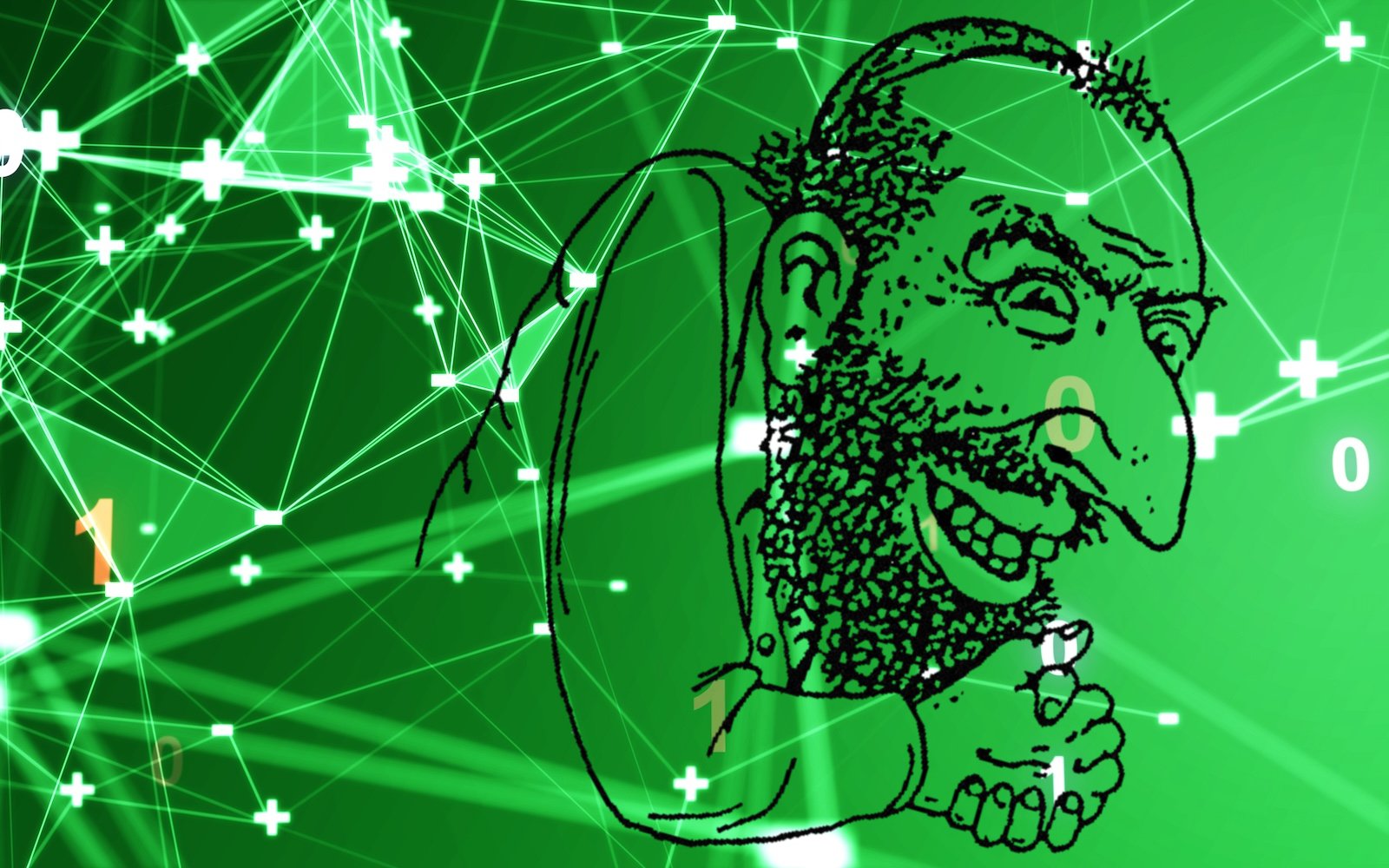
Who hasn’t seen the emotionally-charged images (fake and real) of suffering children in Gaza? Or the thousands of pro-Palestine marchers swamping the streets of capital cities, and so-called students taking over university spaces? At the same time that caricatured Jews, like the distasteful “happy merchant” meme, abound in AI-generated variations. It may all seem a scattergun approach, but it reflects how our enemies are always technologically innovative, agile, and aggressive.
By contrast, Jewish AI-related initiatives remain largely defensive. The Foundation to Combat Antisemitism crunches vast amounts of data to expose online antisemitic trends. Israeli nonprofit CyberWell tracks for online antisemitism across social media platforms and when alerted aims to hold these companies to greater accountability. Projects like Bottom Line help journalists get reliable, real-time information on Middle East events. While Reasonate and Savee provide rebuttal-generating tools to help advocates respond more effectively to anti-Israel or anti-Jewish posts.
These and other initiatives are needed, without question. They also demonstrate how the problem is not one of will, but of mindset. Yet reactive as they are, they monitor, describe, and produce responses after the fact — and for single instances of Jew-hate. Few if any of these efforts deploy AI proactively to set our narrative at scale, by flooding platforms with positive messaging about Jews, Jewish identity, and Israeli society, or to disrupt online ecosystems where antisemitism thrives.
It is a similar story for legacy organizations, who understandably fall back on familiar methods: lectures, reports, political relationships, or carefully curated campaigns. Philanthropists likewise support what feels safe or workable, rather than what might be most disruptive to our enemies. No one has bad intent; on the contrary, they all want to reduce Jew-hate. Nevertheless, one outcome is that, in tackling the problem, they gravitate towards their institutional silos, the familiar, turning inwards to their circle of other leadership organizations or philanthropists. Meanwhile, scientists and technologists who are experts in the field may not be searched out and given the chance to contribute, while grassroots innovators may struggle to access decision-makers and needed resources. It may be an unanticipated structural disconnect but the result is that the community remains a step behind.
Antisemitism nowadays is an online-networked, AI-fuelled phenomenon. But like Kodak fell from its spectacular business heights by trying to retain the use of film when the world had moved to digital photography, Jewish organizations stay wedded to yesterday’s tactics, and Jewry’s needs remain unmet. There are things that can be done. For example, an AI-focused technology center for R&D targeting antisemitism could be formed. And from behavioral science we know that repeating a story cements perception. The informed PR machine behind Palestinian activists therefore churns out simple, memorable negative slogans like “From the river to the sea,” which, when used repetitively, tells a story that sticks. Jewish institutions could use similar tactics to shape counter-narratives with strategic repetition — indeed, utilizing other behavioral techniques too — and deliverable via AI.
The uncomfortable truth is that fighting Jew-hate with conferences, monitoring, reports, and marches, is necessary but insufficient. For many community members who want to help, it can feel almost like bringing a shofar to a gunfight. Because our adversaries are armed with algorithms to trick the psyche of the masses. It is not too late for Jewish organizations to wake up and invest seriously in AI. The alternative is that we continue losing this techno-war, and with it, the battle for how the world perceives us.